"Greaseball" completes a trilogy on migration, following "WOP" and "An Immigrant's Story", and it arrives with the settled authority of a third act. The pedigree is audible in the architecture. Malorgio spent two decades inside the Django Reinhardt tradition, founding Hot Club Roma, trading licks with the Schmitt family, and playing Parisian studios and the cellars of London's gypsy-jazz faithful. That education has taught him how to make a guitar sound like both a celebration and a wound, often within the same bar. Here he sets that lineage against synthesiser washes, and the pairing is the record's quiet masterstroke: warm wood and wire set against cool, widescreen electronics, the old country meeting the new world and neither flinching.
Moreno Viglione's guitar carries the human voice of the piece. His is a playing style built on tension between swagger and sorrow, the bright attack of the manouche tradition shadowed by something more reflective. Phrases bloom, hesitate, then lean forward again, like a traveller on a gangplank deciding whether to look back. He also produced, mixed and mastered the record, which explains its remarkable coherence. Nothing sounds bolted on. The guitar and the synths breathe the same air, and the low end is generous without muddying the picture.
Malorgio wrote this with the cinema in mind, and it shows in the best sense. He builds scenes rather than songs. The piece unfolds in long, patient dissolves, with textures drifting in and out of focus, motifs returning altered by experience, and the dynamics swelling and ebbing with a director's instinct for when to hold the shot. Close your eyes and the images assemble themselves unbidden: grainy harbour light, steam, a crowd pressing against a rail, a face in the middle distance. This is a score that happens to be missing its film, and one suspects a film will turn up soon enough.
What keeps it from sentimentality is restraint. Migration music tends towards the maudlin, all swooning strings and manufactured tears. Malorgio declines the easy lever. His melodies carry dignity rather than pleading, and the emotion arrives sideways, in a suspended chord left unresolved a beat longer than comfort allows, or in a guitar line that stops just short of a cliché and is better for it. Where a lesser composer would hammer the point home, he lets the silence between notes do the arguing.
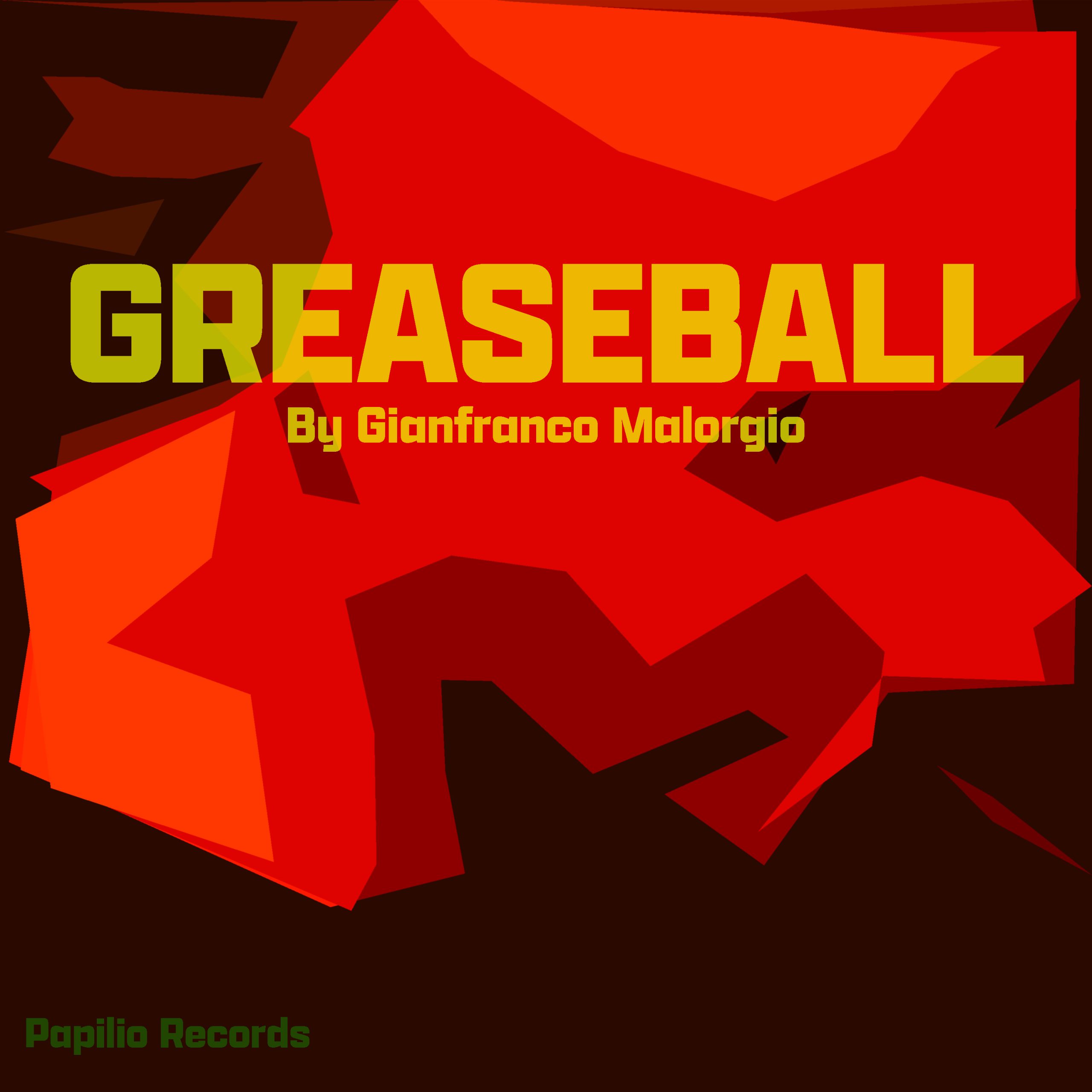
Then there is the matter of the title, which ought to sting, and does. Placed on a sleeve of furious reds and charred maroons, it reads as a reclamation. The music beneath it is not angry so much as unbowed, a quiet insistence that the people once spat at left behind children, cooking, songs and a whole cultural weather system. More than thirty million Italians departed; this single honours a few of them by refusing to treat their story as a museum piece.
At its close, the trilogy feels earned rather than conceptual, a rarity in an age of thin concept albums. "Greaseball" is the weightiest and most lyrical of the three, the work of a musician who has finally found a canvas worthy of his hands. Supervisors hunting for a score with soul, take note. Everybody else should simply listen.