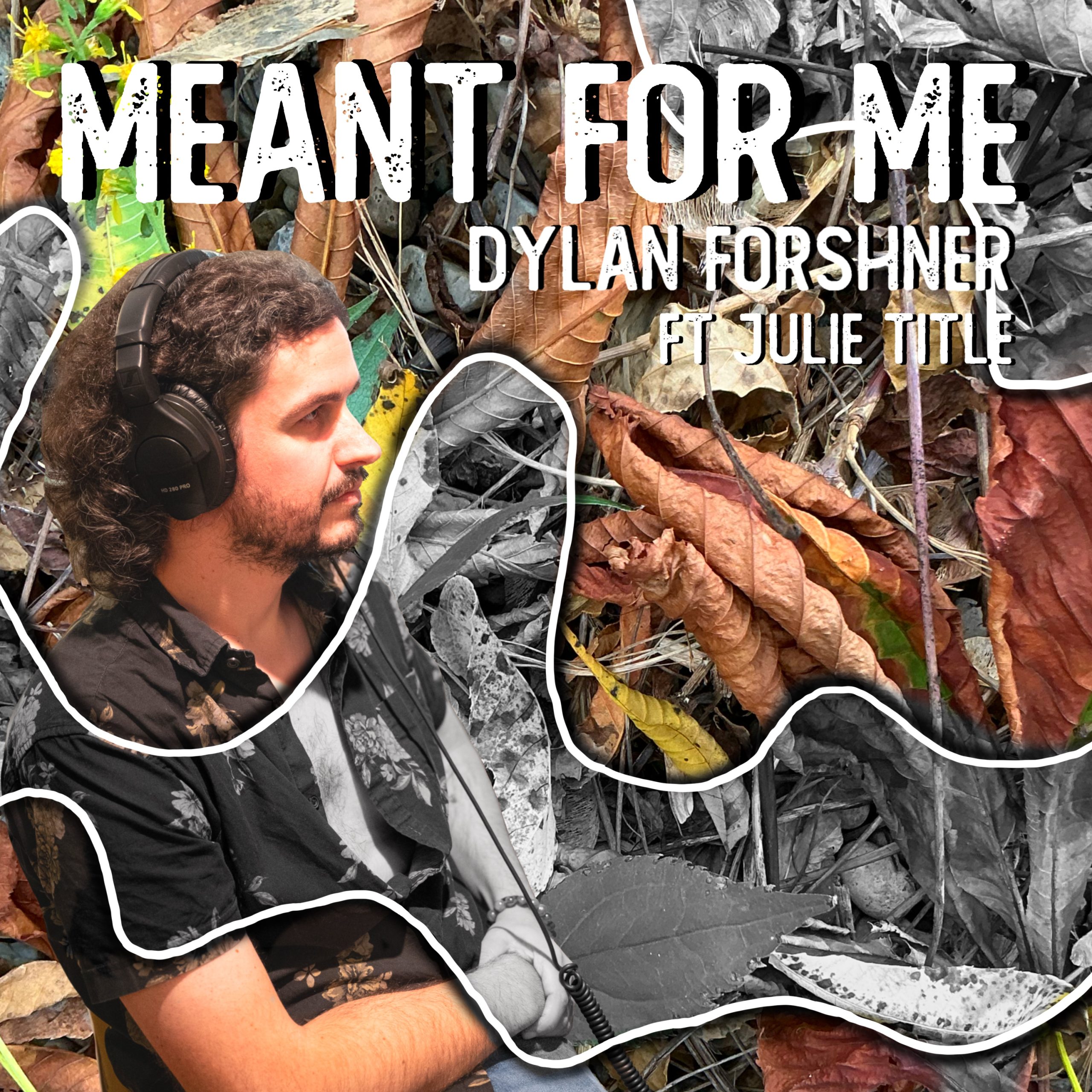
The song began life modestly: three minutes of acoustic guitar and a voice, the sort of demo that gets passed between friends and called promising. Forshner then took it to producer Jon Savard's home studio, a room retrofitted above a garage in Etobicoke, and what emerged runs to four minutes and eighteen seconds of slow, deliberate architecture. Savard, who plays drums, bass and guitar, has the instinct that separates a producer from a mere engineer. He knows when to add and, more importantly, when to hold back, and he lets the song earn each new layer.
Forshner's voice is warm, slightly worn at the edges, and wholly unembarrassed by tenderness. The early comparisons to Elliott Smith are easy to hear in the hushed opening verses, though he has the sense not to imitate Smith's chill. His sadness has a pulse. Elsewhere you catch the shade of Death Cab for Cutie's bruised romanticism and the communal ache of Coldplay at their least bombastic, with a Born Ruffians twitch of restlessness underneath. The folk and alt-country leanings he describes as a new direction suit him remarkably well.
Then comes the second half, which is the reason to press play. A slide guitar slips in like a thought you were trying not to have. Amy Pinkus's violin, arranged by Savard, rises to the foreground and becomes the song's second heart, grieving and consoling in the same breath. Julie Title's harmony vocal is the finest stroke of all. She does not simply decorate Forshner's melody. She answers it, as the other half of an old conversation, and her presence gives the song its emotional hinge: the ex-lover remembered, or the future one imagined, depending on the hour you listen. Acoustic and electric guitars stack up around them, the drums climb toward a genuine climax, and the whole thing swells into a wall of sound that feels earned rather than manufactured.
That restraint matters. Plenty of songwriters would have been tempted to bellow at the summit. Forshner and Savard let the crescendo arrive on its own terms, with the lead guitar line, conjured on the spot while Savard laid down the bass, singing out above the din. The spontaneity of the sessions is audible. Elements were changed, then recorded immediately, and the track has the lived-in looseness of a band catching lightning rather than a committee polishing a corpse.
What lingers is the song's central paradox: it is sad and optimistic at once, and it never lets either mood bully the other. Savard told Forshner after the mix, "I think we really created something beautiful." Musicians say such things all the time and are usually fooling themselves. Here the verdict stands. "Meant For Me" is a handsome, generous, quietly devastating piece of songwriting, and the first fully realized fruit of a partnership that clearly has more to give.
If this is the new direction, Forshner should keep driving.