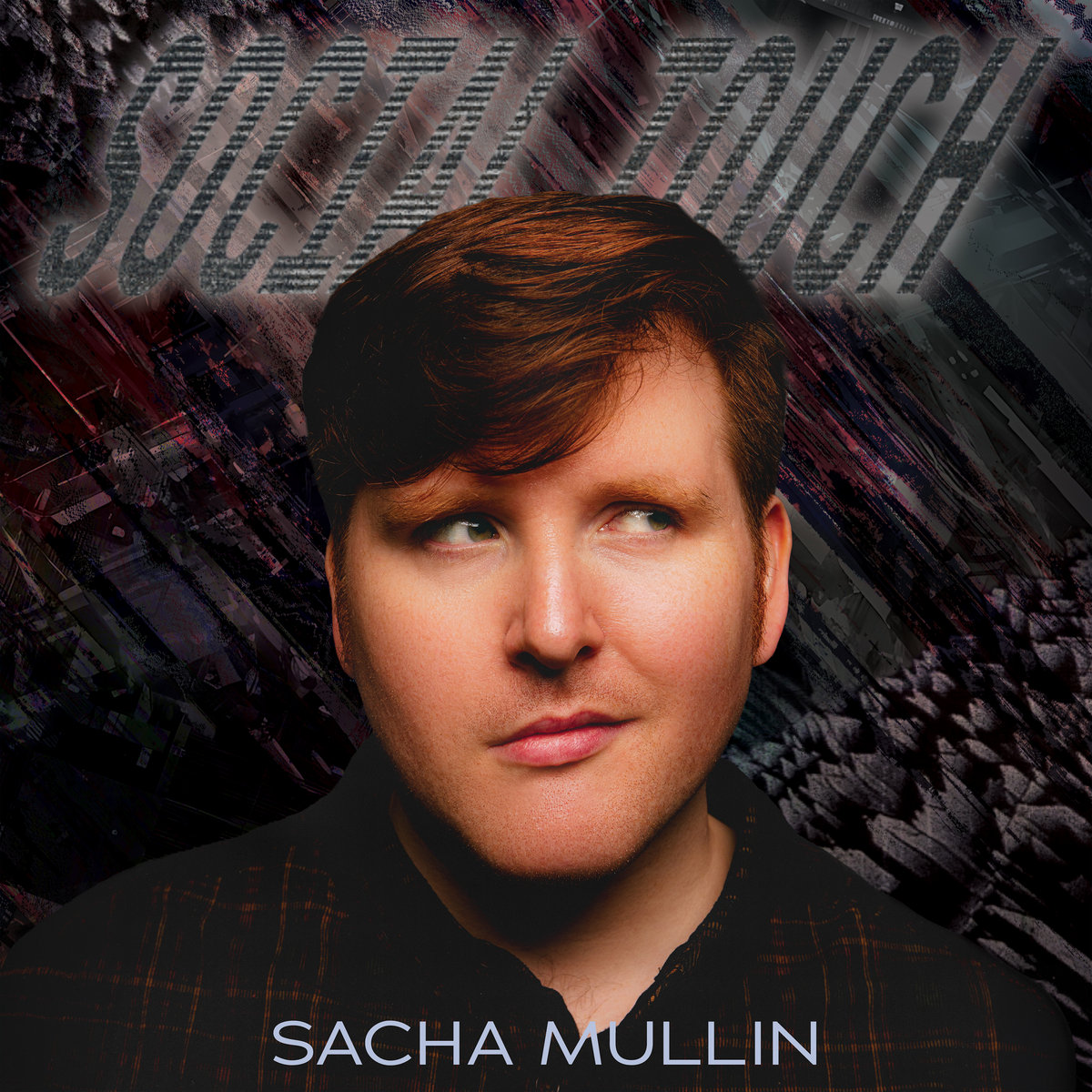
It is a turn that could have gone badly. Artists with Mullin's avant-rock pedigree who head for the radio often arrive looking faintly embarrassed, as though they have been caught at the wrong party. Mullin walks in like he owns the building. His voice is the reason. It moves from hushed, almost clinical precision to a full-throated soar without ever seeming to change gear, and it carries the lineage of Kate Bush's theatrical daring, George Michael's polished ache and Jeff Buckley's high-wire abandon. Those are large names to invoke, and the album doesn't flinch beneath them.
William Parker Wood's production deserves credit for keeping this a pop record without sanding anything off. The arrangements are direct and immediate, yet Mullin's years in jazz, rock and the stranger corners of the underground leave their fingerprints on every harmony. "Hypocenter", the lead single, is propulsive and bright, a song that charges forward while Emily Bindiger, a voice who has graced Leonard Cohen's records, circles it with a poise only a long-standing collaborator could manage. Their rapport is plain to hear. Mullin has always built his vocal arrangements around the character of each singer rather than treating backing voices as wallpaper, and here that instinct pays off in a duet-like tension that gives the song its lift.
"Bed All Day" follows in a more indolent spirit, and its title alone suggests a record that understands pop's great subject: the gap between wanting to be out in the world and wanting to be left alone. The album's name hints at the same tension. Touch has become a complicated currency, and Mullin writes about closeness with the unguarded sincerity of someone who has spent a lifetime listening for the emotional truth in a note.
That sincerity is the album's secret weapon. Mullin was the child who wrote fan letters to singers he admired and, rather remarkably, got answers. He still sounds like a devoted listener, someone who loves the form too much to treat it ironically. The 7-inch B-side, a cover of Alexz Johnson's "Voodoo" recorded at her fan club's request, confirms it. Covers tend to expose an artist's vanity or his generosity, and this one is plainly generous.
Completists will want the CD, with its extra tracks "Let's Cruise" and "Tall Ask", while the digital edition adds Wood's remix of "Tears Into Platinum". The dance rework of "Bed All Day" from DJ Zeetus Lapetus promises some welcome mischief and fits Chicago's long tradition of letting punks, divas and disco eccentrics share a dancefloor.
What the whole enterprise confirms is that Mullin's catalogue has been building toward this. Each earlier album was a different room; *Social Touch* is the one with the windows thrown open. A voice this singular deserves an audience this wide, and this record is the likeliest route to it yet. Anyone who still thinks pop can't be adventurous should hear it. Mullin has spent two decades being quietly brilliant, and the quiet part is finally over.