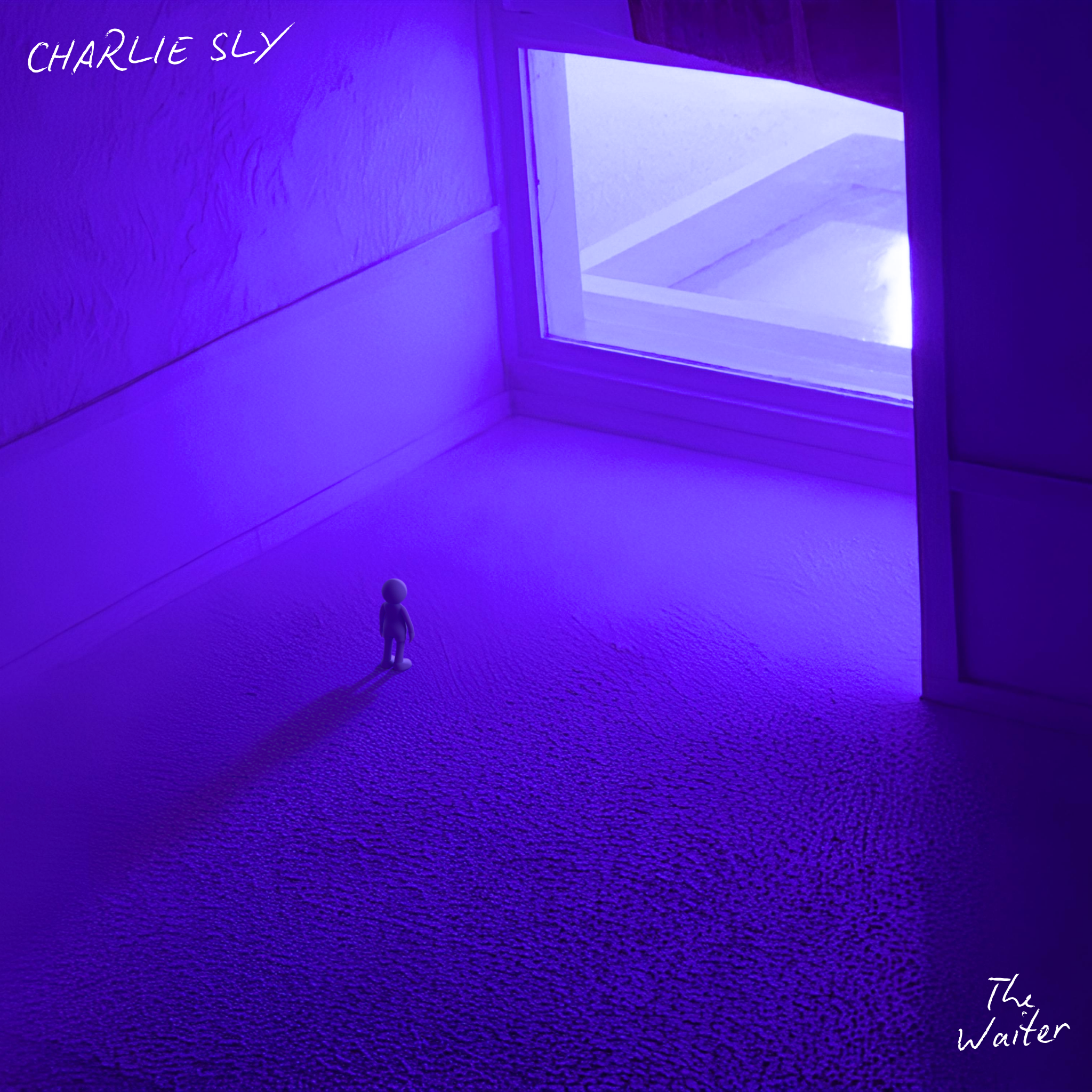
The facts of its making are almost too good. Sly wrote and recorded the thing alone, in a bedroom, surrounded by the street dogs they rescue from abroad. The microphones were placed by hand, and the room treatment was homemade. The song itself comes from the wreckage of an eleven-year relationship, and it is about the peculiar agony of handing your whole self to someone who never quite looked up to receive it. Sentimentality would be easy here. Sly avoids it, because they have the good sense to let the production do the feeling.
And what production. The guitars shimmer and smear like breath on a cold window, all chorus and reverb, drifting in the lazy, lopsided manner of Mac DeMarco at his most wistful. Beneath them, harmonies stack up in layers, each one a slightly different shade of regret. The overall sound is hazy and nostalgic, a little sun-bleached, like a photograph of a happy afternoon that you have already started to doubt. It is dream-pop, certainly, but dream-pop with its sleeves rolled up.
The vocal is what keeps the song grounded. Sly sings with the open-throated, slightly bruised conviction of the American rock records they cite as heroes, and it is a joy to hear influences as unfashionable as Creed and Alice in Chains smuggled so convincingly into something this tender. Where a lesser artist would hide behind irony, Sly commits. The melody climbs and aches, and when it breaks, it breaks honestly. The effect is something like a grunge singer who has wandered into a bedroom-pop record and decided, wisely, to stay.
That sense of space matters because the subject is, at heart, an absence: the love that was never returned, the self that was never seen. The title does half the work before a note is sung. By building a sound full of room to breathe, Sly lets the listener sit inside that emptiness rather than merely be told about it.
It would be easy to dwell on the charming backdrop of dogs and bedroom walls, but the song needs no such garnish. Still, there is something moving in the idea of music made partly to calm the animals gathered around the microphone. You can hear it in the finished record, in its gentleness and in its patience. This is a song that does not raise its voice, and it is all the more devastating for that.
Sly has played hundreds of shows, yet this feels like a beginning, the sound of an artist finally standing in the right place. "Never Had" is a small, candid, beautifully realised piece of work, and the finest compliment I can pay it is that, by the end, you will wish the dogs would let you stay a little longer.