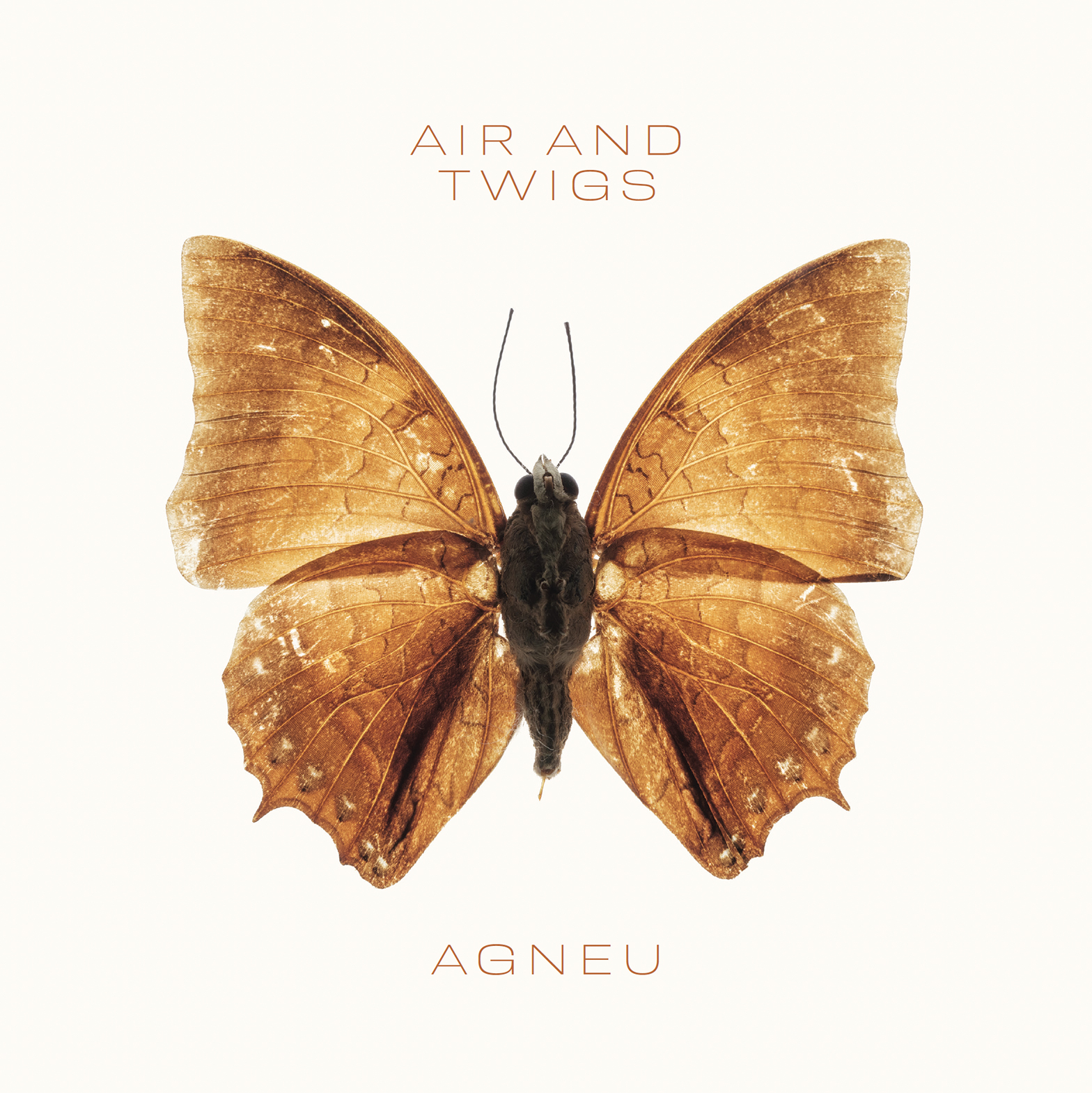
By his own account the record began on 1 August 2025, when Scott wondered what would happen if he told stories with music: not abstract soundscapes but actual songs, drawn from photographs taken, tales told to him and things remembered. The result is a set of cinematic vignettes, and the description is exact. Each song works like a documentary frame, with a street name, a bus shelter or a back seat standing in for the whole life around it.
The title track is the hardest-hitting. A narrator watches someone he once knew disappear into addiction, in a flat above a clinic in Arch Hill, and decides he cannot follow. The Auckland geography pins the song to real pavement, and the refrain is a run of flat refusals that curdle into guilt. Songs about walking away usually flatter the walker. This one lets the discomfort stand. "Sundays for Dreaming" turns to the working poor, with bus-shelter naps, fifty-hour weeks and a blood-stained back seat, and it is handled with a reporter's restraint and none of the poverty tourism such material invites. Its weariness settles over the whole song like weather.
"False Flag" is the angriest piece here, a literate sneer at a loved one lost to cable news and conspiracy, with a sly nod to Ayn Rand and a closing curse blunt enough to make you wince and fair enough to make you nod. "How Bright's the Moon?" abandons argument for interrogation. It is built from questions about height, depth and distance, each one chipping at the certainties of the information age, and it ends up closer to a hypnotic chant than a lecture. "The Reason Birds Fly" hands the microphone to Lucy Mackintosh, and the change of voice is a quiet masterstroke. A portrait of a mercurial partner becomes a conversation, and a wounded one, with Steve Melville's drums holding a steady, watchful pulse underneath. "Afterlife" circles a single question about the soul and solitude until doubt tips into comfort, a hand on the shoulder after a long night.
The closer, "Calling Out Your Name", is the nearest thing to a pop song on the record. It ricochets from Hackney to Hyderabad and from Athens to Idaho in pursuit of someone who has already slipped away, so that geography becomes a map of helplessness. It is a lovely, aching finale, and the right place to leave a man still shouting into the distance.
Scott describes the working process as circling a subject and refining the view until the story makes sense, and the songs bear it out. The arrangements are patient and unshowy, recorded in a Ponsonby garden studio, mixed in Ohio and mastered in Tasmania, with a small choir of friends adding warmth at the edges. Greg Dodds' packaging deepens the effect: faded, fifty-year-old butterflies, each a companion to a song, sit beside macro studies of sand, storm and sea. The vinyl and songbook are made for people who still read along, and the sleeve proudly says it was made by humans.
*Air and Twigs* is humane, wry and quietly furious. It comes from the bottom of the world and deserves to travel much further. Scott never raises his voice, and he never needs to.