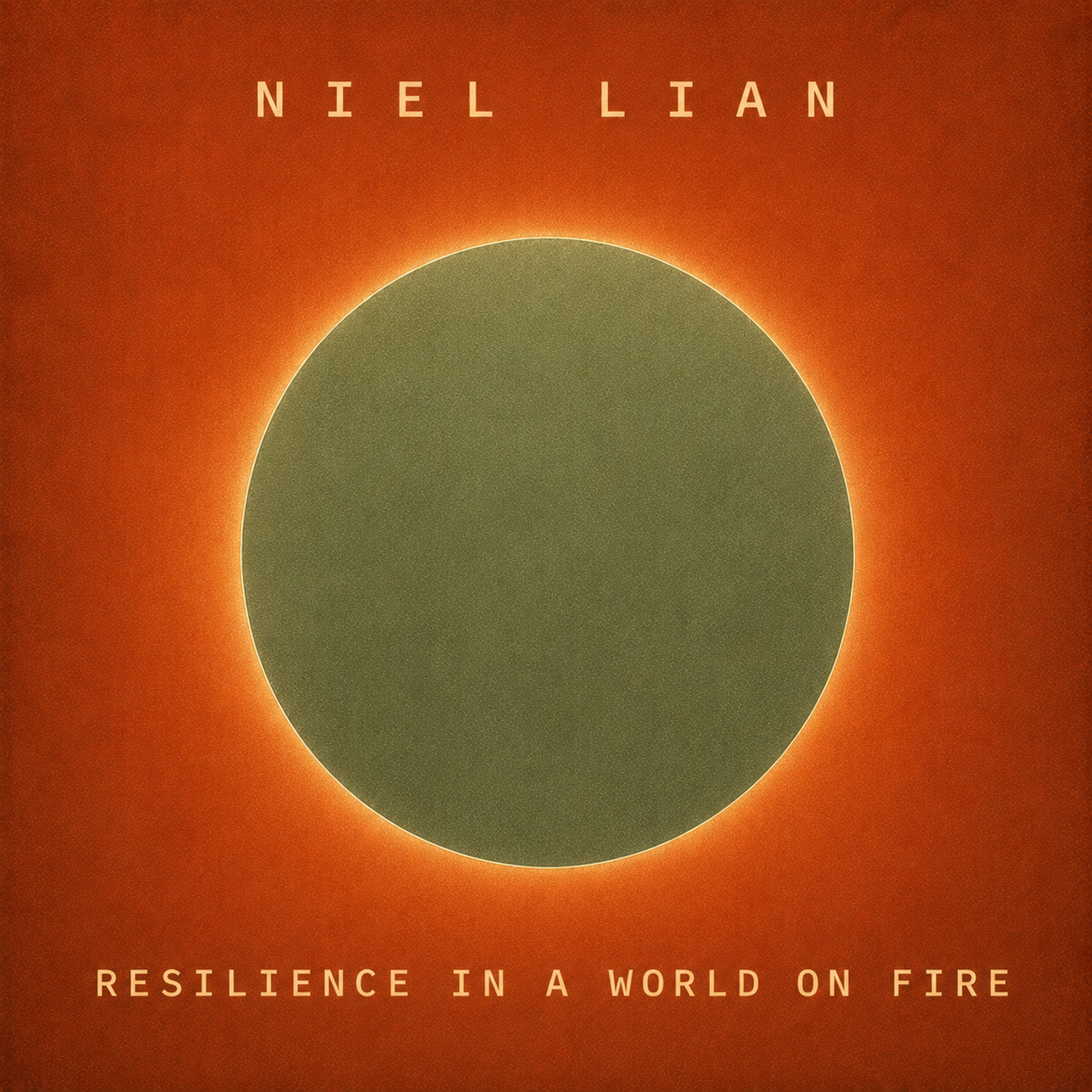
The Italian pianist and composer declares his ancestry openly. Chopin supplies the singing line, Philip Glass the faith in patient repetition, and Wim Mertens, Max Richter and Nils Frahm the hushed intimacy of the modern piano confessional. The surprise on the list is Peter Gabriel, whose psychological curiosity seems to matter more to Lian than any borrowed melody. Each of the twelve pieces is treated as a case study in how a person feels, not as mood wallpaper, and the project is the stronger for it.
Take the sequencing, which is quietly masterly. The album opens with "We, as Our Home", born of a long-distance relationship and arguing that home is a feeling, not an address. Placed anywhere else, that sentiment might curdle into greeting-card philosophy. Placed first, it becomes a foundation, and everything afterwards leans on it. "Ahead, Not Too Far" follows with the most sensible motto in recent music: enough direction for the next few steps, and the rest left blissfully unknown. Then comes "Before I Miss", which names an emotion most of us have felt and few have bothered to title, the grief that starts while the beloved is still in the room.
The middle of the record goes into the dark, and it does so with a farmer's vocabulary. To harrow is to break up hard ground, and "Harrowing the Darkness" treats gloom as soil to be worked rather than an enemy to be fled. Best of all is "A Breakfast with the Ghosts I'm Afraid Of", a title worthy of a wry Scandinavian novelist. Lian invites his inner spectres to the table at the start of the day, in morning light, with a raised eyebrow. That touch of irony rescues the album from solemnity, and it is the quality most of his neoclassical peers lack. "Healing", written during a period of genuine care and recovery, refuses to hurry. It sits by the bedside, waits, and hopes, which is a good deal harder to do in music than it sounds.
From there the record turns gradually toward daylight. "Rise at Your Personal Rhythms" and "Chasing the Way Out" concern the slow business of becoming, and the admirable admission that movement sometimes begins simply because staying put has become unbearable. "The Sound of Sunlit Days" imagines lighter weather and lets us stand in it briefly, and "Gratitude" marks one of those rare moments when life falls into place, celebrated with the hope that it may happen again.
The title track closes the album, and Lian wisely refuses a triumph. The world is still on fire, and no piano piece will put it out. What changes is the way we walk through it. Resilience, in his account, is not heroic resistance but the willingness to stay present, to let hope share a room with fragility. It is a corrective to the way the word has been battered by corporate wellness seminars, and it may be the best idea on the record.
The album asks for forty minutes of undivided attention, a commodity in scandalously short supply, and it repays every one of them. Twelve pieces in that span averages a little over three minutes apiece, and the economy is a virtue: each idea is stated, turned over and released before it can curdle into repetition, a discipline that many longer, baggier piano records would do well to study. Lian has made a record that is tender without being timid, reflective without being self-absorbed, and consoling without lying about the weather. It is a very fine debut.