Because you are. That's the trick of it.
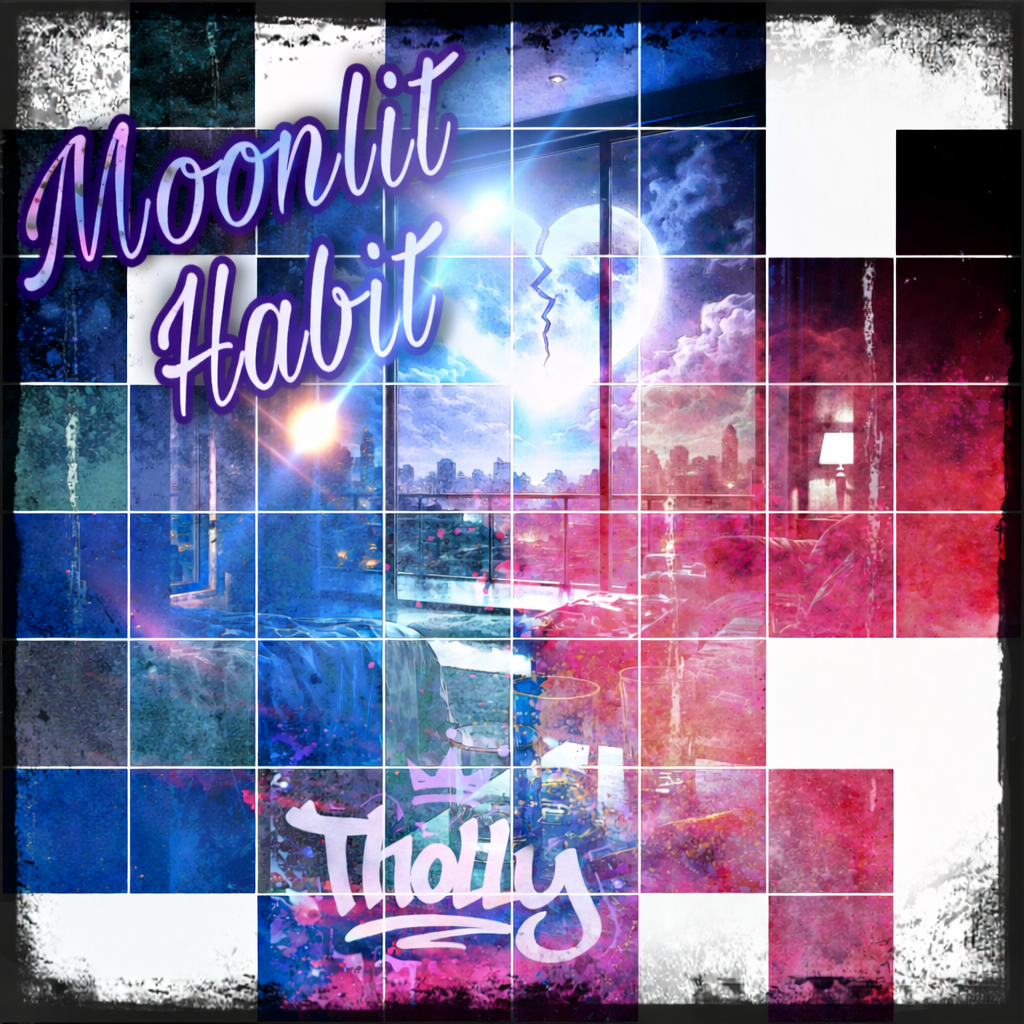
Tholly built his name rapping between 2019 and 2022, cutting his teeth on rhythm and cadence before letting melody creep in like ivy through brickwork. By this record, the transformation is nearly complete: he sings now, mostly, but the bones of the rapper remain — you can hear it in the way syllables land with the precision of a boxer's jab, in the internal rhymes that arrive a beat early, catching you off guard. It's a hybrid technique, equal parts pulpit and cypher, and on "Moonlit Habbit" it finds its ideal subject matter: a breakup so entangled with fatherhood, homecoming, and self-erasure that no single genre could have carried its weight alone.
The hook is the sort that colonises a car radio within a week and refuses eviction — bright, elastic, almost cruelly catchy given what it's dressed around. Underneath that gloss sits a lyric sheet unafraid to name the ugliest parts of heartbreak: the numbing rituals, the 3am spirals, the low hum of shame that follows anyone who's tried to medicate a wound with distraction rather than treat it. Tholly doesn't flinch from any of it, and crucially, he doesn't romanticise it either. The song's genius lies in refusing to let the listener mistake wallowing for wisdom; by the final chorus, the narrator has stopped mourning the woman and started mourning the version of himself he lost trying to keep her.
That reframing — heartbreak as self-erosion rather than simple loss — separates this from the glut of breakup singles crowding streaming playlists. Most such records ask you to pity the singer. This one asks you to recognise yourself in him, which is a far riskier and far more rewarding proposition.
The production deserves its own paragraph of praise: layered without being cluttered, moody without tipping into self-parody, it gives Tholly's voice room to fray at the edges precisely when the lyric calls for fraying. Nothing here sounds accidental. The home studio where it was tracked — reportedly repurposed from a room built for someone who's since gone — lends the recording an intimacy that a polished commercial facility could never quite fake. You can practically hear the four walls listening back.
What ultimately elevates "Moonlit Habbit" above competent confessional pop is its refusal to offer false resolution. Tholly doesn't claim to be healed by the song's end; he simply admits, with unusual candour, that avoidance only ever postpones the reckoning. That's a harder truth than most radio singles bother reaching for, and it's delivered here with enough melodic generosity that the medicine goes down easy. Rarely does catharsis sound this good on a first listen — rarer still that it keeps revealing new bruises on the fifth.
Essential listening for anyone who has ever mistaken a habit for healing.