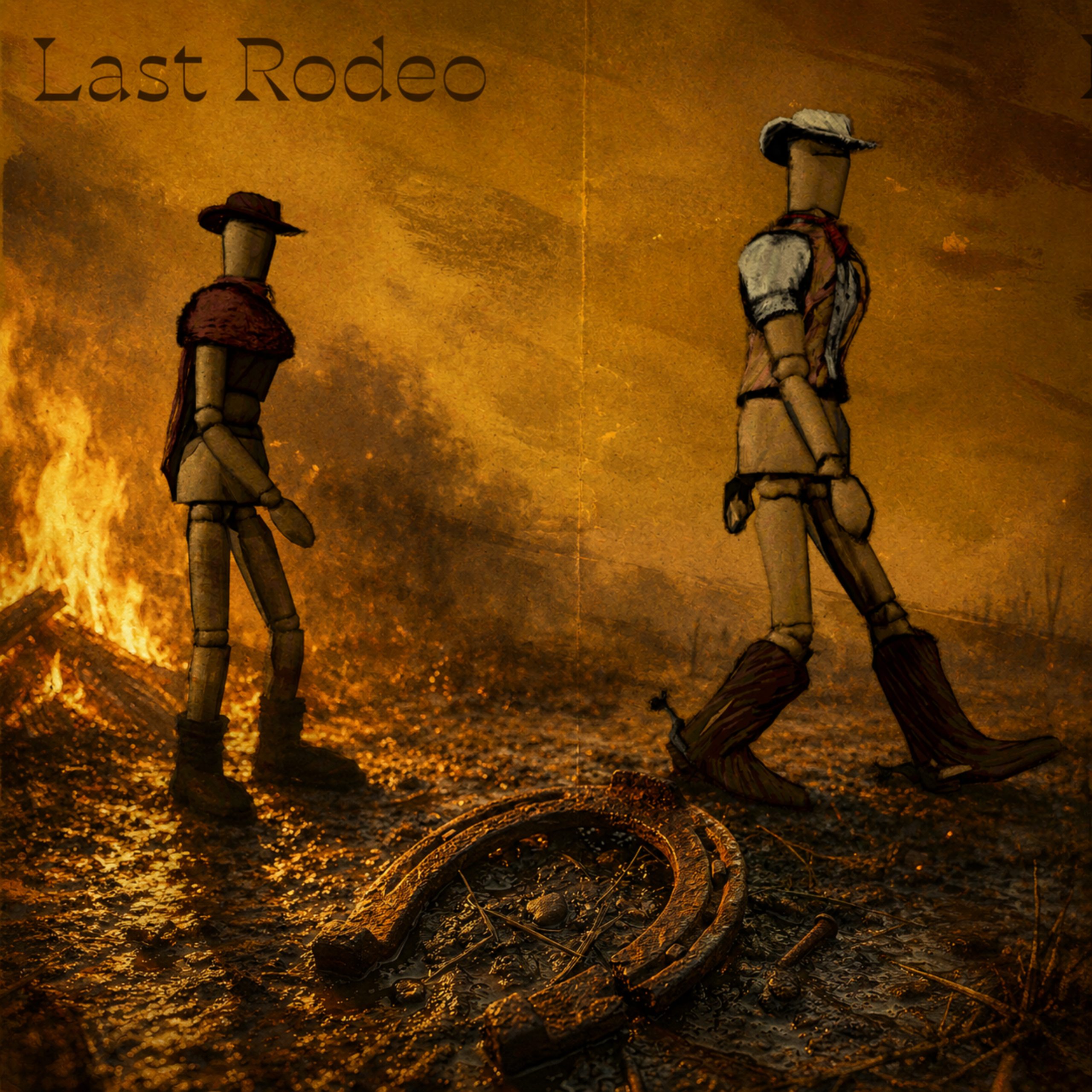
Þórarinn Torfi, Eva Símonardóttir and Egill Arnarson wrote this thing back when the century still had its training wheels on, and you can hear the patience of that long incubation in every bar. Nothing here is rushed, nothing oversold. The arrangement — Torfi's handiwork — has the good sense to get out of the way of the melody, which is Eva's own, and which unspools with the unhurried confidence of something that has already survived twenty-five years of scrutiny in someone's head before ever touching tape.
What lands hardest is the vocal work. Eva sings every part herself, stacking harmony upon harmony until the track glows from within like a lamp behind curtains. It's a canny trick, this one-woman choir: it gives the song a domestic warmth, a sense of a single sensibility multiplied rather than a crowd of session players hired for the afternoon. You believe these harmonies belong to each other because, quite literally, they do.
Egill's lyrics avoid the cheap sentimentality that a song about endings so easily invites. The cowboy conceit — a last ride, a horseshoe left smouldering by the fire, all of it rendered in the sepia-toned artwork Símon Bogi built in Blender and his father spliced into a photograph — could have curdled into pastiche. It doesn't. The imagery stays lean, doing its work without winking at the listener, and the result is a song about mortality and reckoning that never once reaches for a violin swell to make its point. Restraint, in this genre, is the rarer instrument.
Call it a singer-songwriter record if you must have a shelf to file it on, but the description undersells the craft. This is closer to the tradition of a well-turned short story than a pop single: economical, unhurried, trusting the listener to fill in what isn't said. The production leaves room to breathe — no gloss, no digital sheen scrubbing away the grain — and that unfussiness feels like a deliberate rebuke to the maximalist tendencies of contemporary radio fare.
The family did lose a collaborator along the way — Alma Hlín, absent this time round — and you sense her absence is felt rather than heard, a small private ache folded into a record already built on the theme of things finally, gently, let go of. That's rather the point of the whole exercise: not nostalgia for its own sake, but the satisfaction of a promise kept.
Twenty-five years is a long time to sit on a good idea. *Last Rodeo* proves the wait was worth it — a modest, handsome, quietly moving little record that asks for nothing but your attention and rewards it generously.