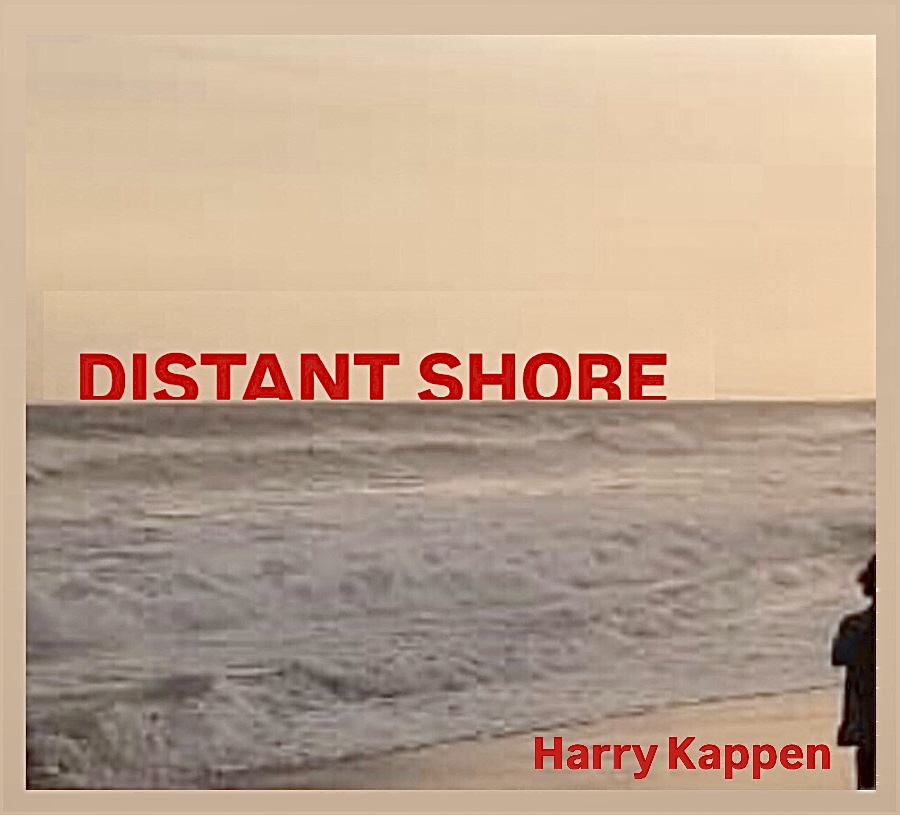
The Bowie comparisons were inevitable the moment word got out that mellotron washes and "Space Oddity" were involved, and on first listen the lineage is undeniable: that same sense of weightlessness, of a voice cast adrift against a backdrop too vast to argue with. But where Bowie's astronaut floated by choice, abandoned to cosmic indifference, Kappen's protagonists have no such luxury. Theirs is a drift born of necessity, and the song wears that distinction like a bruise rather than a borrowed costume.
What separates this from the glut of "issue" songs cluttering streaming playlists is restraint. Kappen, who wrote, performed, and produced the track single-handedly, resists the temptation to moralise. He has, after all, been candid about the limits of his own vantage point — a man who moved continents by choice singing about those who moved by necessity — and that humility seeps into the arrangement itself. The mellotron doesn't swell to manipulate; it simply hovers, patient and unresolved, like weather that won't break.
Vocally, Kappen sounds less like a man performing empathy and more like one who has spent two decades in a therapy room listening to people describe the worst days of their lives. That background shows. There's a clinical precision to his phrasing that could easily curdle into detachment, yet somehow doesn't — the warmth survives the discipline. It's the sound of someone who has learned, professionally and painfully, that the loudest emotions are rarely the truest ones.
The production leans cinematic without tipping into score-for-a-documentary cliché, which is its own small miracle given the subject matter. Strings and synths arrive and recede like tides rather than cues, and the track's pacing — unhurried almost to the point of stubbornness — forces patience on the listener. This won't please anyone hunting for a hook to hum on the commute. It demands the kind of attention that streaming culture has spent a decade training us out of giving.
"Distant Shore" lands with more weight than its modest running time suggests. It's a single that trusts silence as much as sound, and trusts its listener to sit with discomfort rather than resolving it neatly. Following "Balance," it confirms Kappen as an artist less interested in spectacle than in the quiet, difficult work of bearing witness — a rarer instinct than the charts would have you believe, and one worth paying attention to.