Townshend is not, it must be said, a newcomer to the business of making beauty out of restraint. The New Zealand-born, Austin-based composer built his reputation across a series of collaborations with Terrence Malick — that most ruminative and philosophically restless of American directors — scoring *To the Wonder*, *Knight of Cups*, and *Voyage of Time* with a sensitivity to the ineffable that most composers spend entire careers failing to approach. His piano arrangements graced the Palme d'Or-winning *The Tree of Life*, a film that attempted nothing less than to locate grace inside existence itself. Townshend, even then, seemed like the right man for that sort of audacity. He still does.
*What We Lost II* is structured around felt piano and softly rolling strings — a combination that in lesser hands produces the anodyne wallpaper music that has colonised streaming platforms like an invasive species. In Townshend's hands, it produces something altogether more difficult to dismiss. The felt piano technique — where a strip of felt mutes the hammers, producing a hushed, close, almost interior sound — is a choice freighted with meaning here. It is the sound of memory imperfectly preserved: present, but softened at the edges; audible, but retreating. It is the sonic equivalent of trying to hold water in your palms.
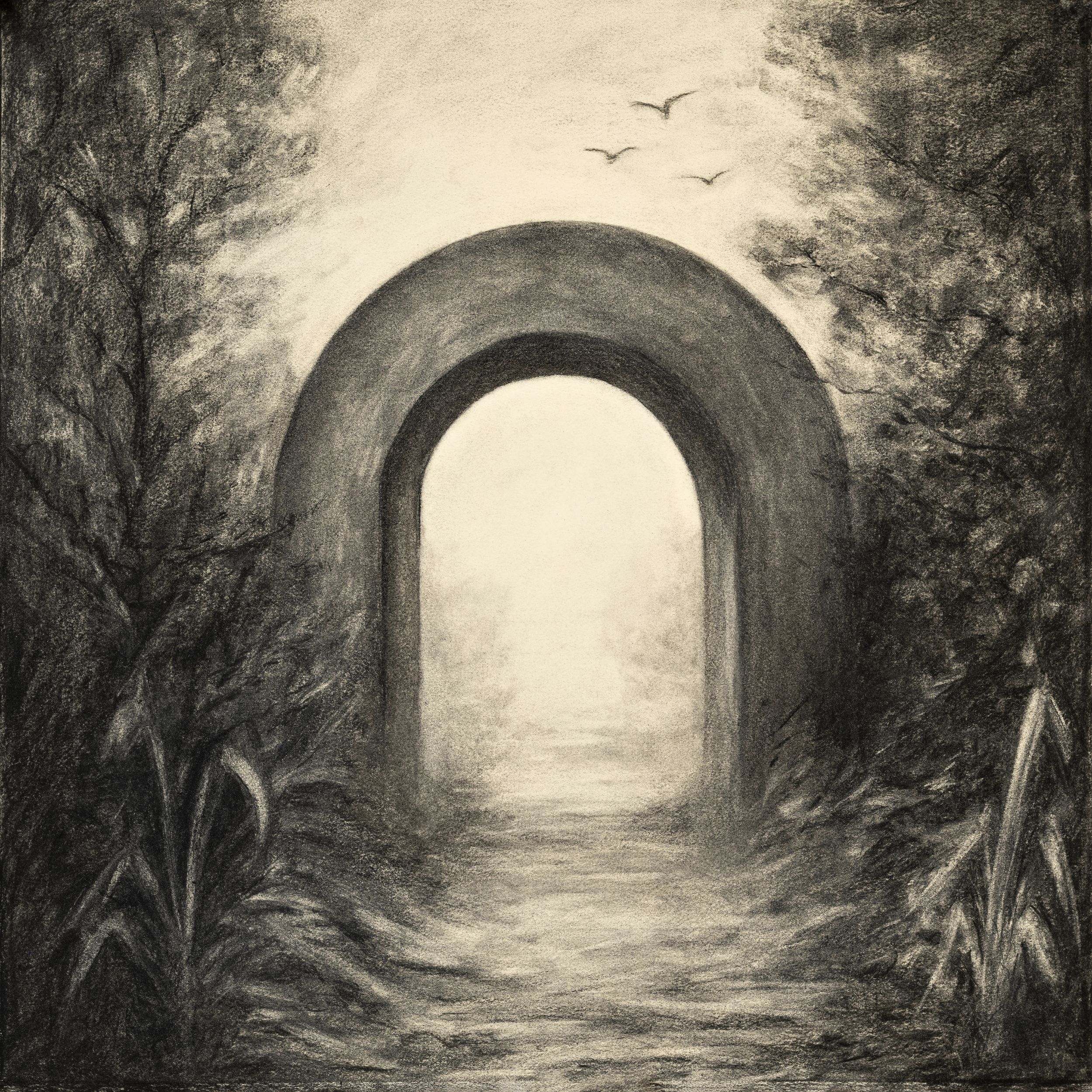
The work arises from a deep creative inquiry: if music had existed when loss first entered the world, what would it have sounded like? This is the kind of question that could curdle into pretension in the wrong company. Under Townshend's direction, it is simply clarifying — a way of explaining why the music sounds as old and as necessary as it does. The strings arrive not as embellishment but as consequence, rolling beneath the piano like a slow tide, inevitable and unhurried.
The music is cinematic not through size or drama but because it uses sound to create imagery. This distinction matters enormously. The worst of contemporary neo-classical composition mistakes scale for profundity, burying the human signal beneath orchestral grandiosity until the listener is impressed rather than moved. Townshend makes the opposite choice at every turn. Every pause feels considered. Every forward motion feels like a small act of courage. The music transports the listener through a hushed terrain of contemplation, in which every pause and forward motion feels deliberate and profoundly human.
One thinks, inevitably, of the late Johann Johannsson — another composer who understood that music about grief must itself be grieving, that the form cannot be separate from the content. One thinks also of Arvo Pärt's tintinnabuli, that extraordinary system of simplicity-as-theology, though Townshend's concerns feel more earthly, more domestic, more private. Where Pärt reaches upward, Townshend reaches inward. The scale is different. The ache is not.
*What We Lost II* is the first release from Townshend's forthcoming piano-driven album, *What We Lost*, and as opening statements go, it is a quietly devastating one. The "II" in the title implies a conversation already underway — as if we have arrived mid-sentence, mid-feeling, somewhere deep inside an experience that precedes our arrival and will continue after our departure. This is entirely intentional. Loss, after all, does not begin when we notice it.
What Townshend achieves here is something the British neo-classical scene — with its fondness for tasteful melancholy and photogenic minimalism — has increasingly struggled to produce: genuine interiority. This is not music about feeling. It *is* feeling, translated into frequencies, asking nothing back but your attention. He gives us a space, one where memory and absence and beauty coexist in genteel equilibrium.
In a landscape of simulated depth, *What We Lost II* is the real thing: quiet, serious, and absolutely unshakeable.
*What We Lost II* is out now. The album *What We Lost* follows.