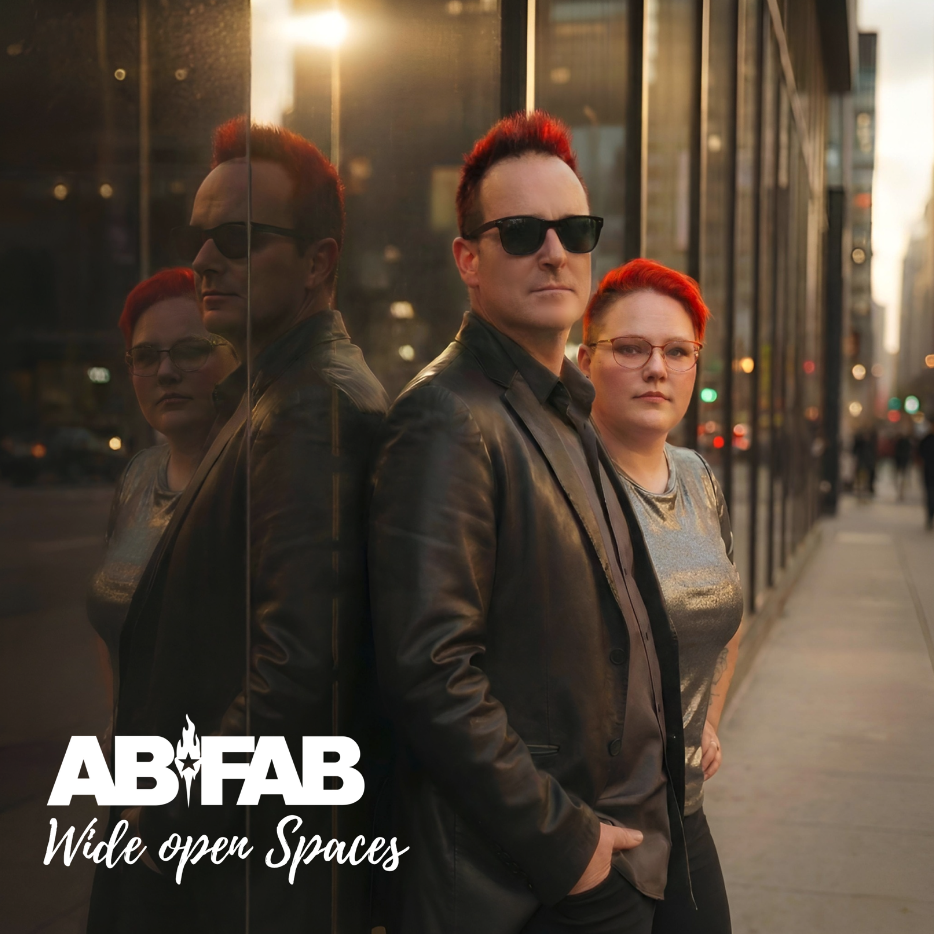
The Cape Town duo have assembled something that resists easy dismissal. Produced with immaculate restraint by Brad Grobler — a Recording Academy member whose ear for space is as important as his ear for sound — the track operates in the unhurried register of artists who understand that silence is as much an instrument as anything with strings. Grobler does not drown the song. He frames it. And vocalist Lisa Hugo steps into that frame like she was born there.
The press materials reach for the "Taylor Swift meets Pink" shorthand, and one understands the commercial logic — give radio programmers a mental image, give playlist curators a genre peg. But the comparison, while not entirely dishonest, flatters neither party particularly. Hugo's voice carries something less calculated, more weathered. She is not performing yearning; she is reporting it, the way a traveller reports back from a country that changed them. The lyrical impulse here — the urge to abandon the daily grind, to find clarity at speed, windows down, somewhere between here and the horizon — is as old as popular music itself. What ABFAB do is strip the concept of its cliché and return it to something that feels like lived experience rather than lifestyle advertising.
The track's roots are audibly autobiographical. It draws directly from the band's touring past, specifically the legendary Storm Super Tour alongside Celtic Rumours, Psycho Reptiles and Shout — and that history gives the song a grit that money cannot manufacture. You can hear roads that were actually driven, friendships tested by close quarters and bad catering, the specific freedom that exists only when you are between one place and another and answerable to nobody. This is not road-trip music made for a car advertisement. This is road-trip music made by people who actually lived in a van.
The folk-pop infrastructure holds steady throughout. Grobler and co-writers Sean Nunan and Hugo have constructed the song with an architectural intelligence that reveals itself slowly — the verse patient, almost conversational, before the chorus opens like a landscape viewed from altitude. It is, to use a word the genre often promises but rarely delivers, anthemic. Not in the hollow, fist-pumping sense that word has been debased to mean, but in the older, stranger sense: something communal, something meant to be sung by more than one voice in more than one place.
What this single ultimately demonstrates is that ABFAB's evolution from premier covers act to recording artists is not the awkward late-career pivot it could easily have been. The shift feels inevitable, almost overdue — as though the band were simply waiting for the right songs to arrive. With *Unfinished Business* on the horizon, the evidence suggests the wait was worthwhile.
South Africa has always exported music of astonishing emotional richness to a world that pays sporadic and insufficient attention. With "Wide Open Spaces," ABFAB stake their claim to a place in that tradition while remaining defiantly, joyfully themselves. That is rarer than it sounds.