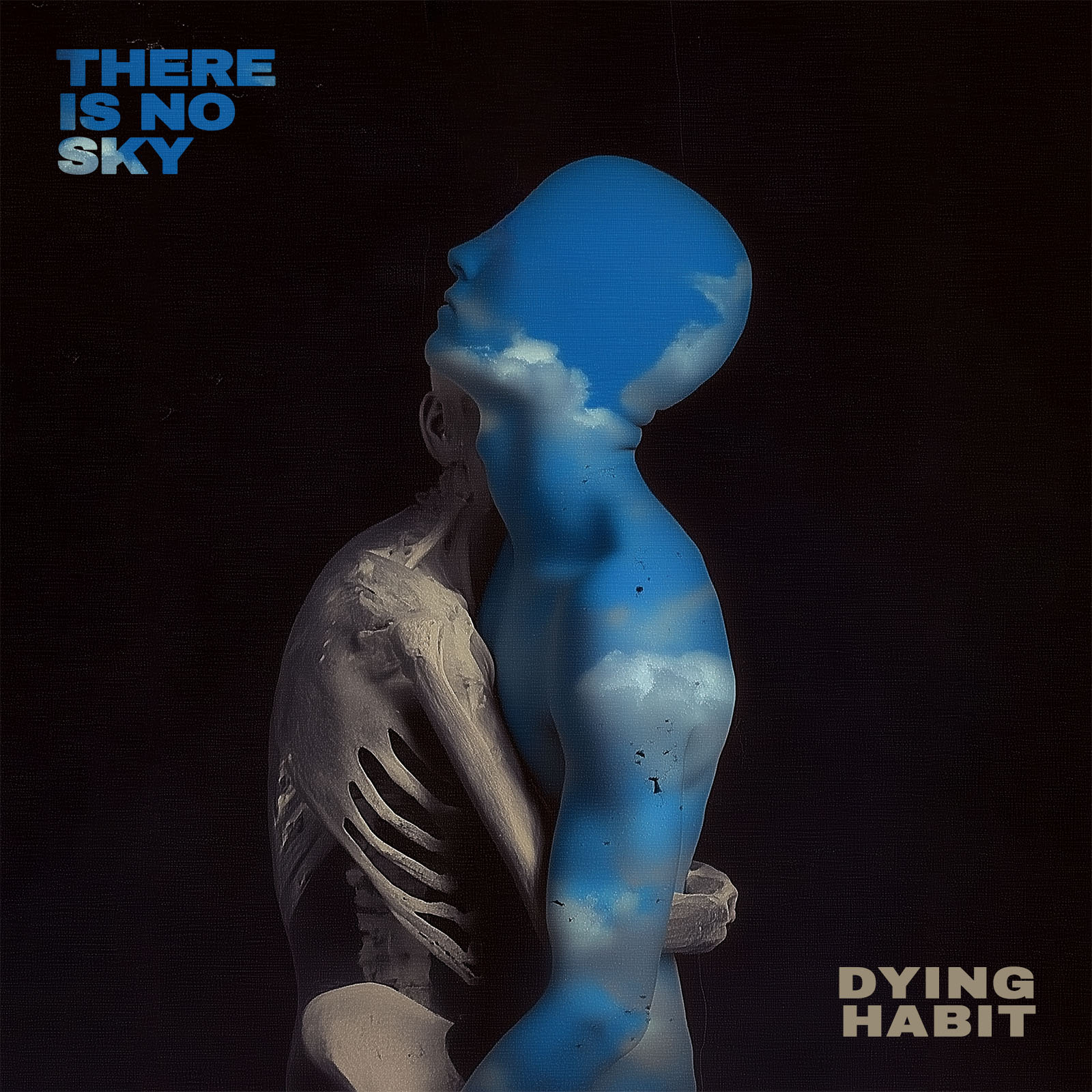
Nathan Jones remains the band's emotional conduit, his voice capable of shifting from wounded whisper to full-throated roar within the space of a single verse. On album opener "Everything in Reverse," he navigates the song's dynamic contrasts with impressive control—the track itself serves as mission statement, balancing moments of almost delicate introspection against surges of cathartic release. Producer Russ Hayes, returning after 2024's *The Chaos of Silence*, has captured the band's live intensity whilst allowing space for nuance and detail.
The rhythm section of Mark Jones and Daniel Garner provides the essential bedrock throughout. Their work on the previously released "Run to the Beehive" is particularly impressive—propulsive without being merely functional, they drive the song's off-kilter momentum whilst leaving room for Alan Hart's guitar work to slash and weave across the top. Hart deserves recognition for avoiding the pitfall of mere pastiche; his riffs nod to the alt-rock canon without feeling derivative, finding fresh angles on familiar terrain.
"Centuries," the album's centrepiece and a six-minute epic, showcases the band's growing confidence with extended song structures. Rather than simply repeating ideas for duration's sake, they've constructed a genuine journey here—building from sparse beginnings through multiple peaks and valleys, each section earning its place. Jones's vocal performance proves particularly affecting, his delivery growing more urgent as the song progresses, culminating in a final chorus that feels genuinely cathartic rather than merely loud.
The three singles that preceded the album's release—"Three Letter View," "Bow," and the aforementioned "Run to the Beehive"—slot seamlessly into the broader narrative. "Bow" stands out for its swagger and melodic hooks, the sort of track that sounds deceptively simple until you notice the subtlety in the arrangements, the way each instrument locks into the groove whilst maintaining its own identity. "Three Letter View" punches harder and leaner, demonstrating the band's ability to deliver impact without unnecessary embellishment.
Hayes's production proves crucial throughout. He's given the band enough clarity that every element registers distinctly without sacrificing the essential rawness that makes their music connect emotionally. The guitars retain their bite, the rhythm section sounds massive yet articulate, and Jones's vocals sit perfectly in the mix—present and immediate without dominating everything else.
"Divulsion," the album's closer, takes a different approach entirely. Sombre and haunting, it strips away much of the aggression that characterizes earlier tracks, leaving the listener with something contemplative and unresolved. It's a bold choice to end on such a note, resisting the temptation towards triumphalism or easy catharsis. The song lingers after it ends, refusing to provide comfortable closure.
The remaining tracks maintain the album's quality without quite reaching the heights of the standouts. They provide necessary connective tissue, ensuring the record flows as a cohesive statement rather than a mere collection of singles and filler. Dying Habit have clearly learned the value of sequencing and pacing, understanding when to push and when to pull back.
Since their 2018 debut "Unrealities" and 2020's *Until the Air Runs Out*, Dying Habit have shown steady growth without abandoning their core identity. *There Is No Sky* represents their most accomplished work yet—a band hitting their stride, confident enough to take risks whilst delivering the visceral impact their audience expects. They've carved out their own territory within the crowded modern rock landscape, and this album should expand their audience considerably beyond Wales.
Uncompromising yet accessible, heavy yet melodic, *There Is No Sky* confirms Dying Habit as a band worth watching closely. The ground beneath us could use a good shake.