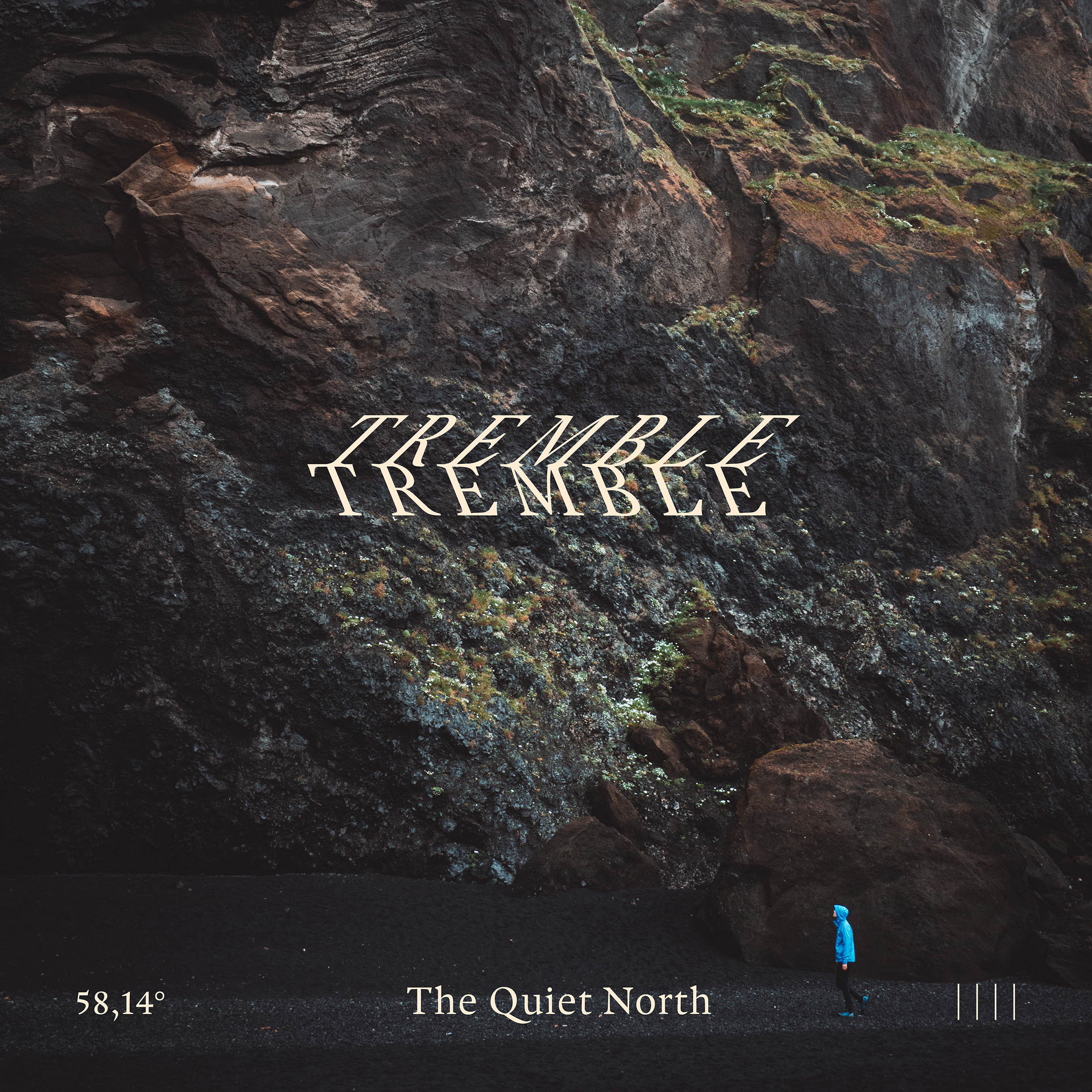
"Tremble" opens with the kind of restraint that immediately marks it as different. The production, handled by Kristiansen himself with collaborators scattered across Ukraine, Spain, South Africa, and Brazil, feels almost devotional in its sparseness. Each element has been given room to breathe, to decay naturally, to exist without the suffocating polish that plagues much modern recording. The arrangement unfolds with glacial patience, building not toward climax but toward something more elusive: acceptance of its own incompleteness.
The song's central conceit—that peace might arrive gradually, tentatively, rather than as a thunderclap of resolution—proves remarkably fertile ground. Kristiansen sings of bodies remaining alert even after danger has passed, of listening for threats that no longer exist. It's a profoundly contemporary anxiety rendered without melodrama or self-pity. The vocals sit low in the mix, almost conversational, as though he's thinking aloud rather than performing. This intimacy feels earned rather than affected.
What distinguishes "Tremble" from the legions of melancholic singer-songwriters currently populating streaming playlists is its refusal to offer comfort. The song doesn't build toward a reassuring conclusion, doesn't promise that everything will be alright. Instead, it sits inside uncertainty and suggests that perhaps this is where we actually live most of our lives—not in crisis, not in joy, but in the trembling middle ground between the two. The fragility here isn't presented as weakness requiring remedy but as a fundamental human condition deserving of honest attention.
The Nordic atmosphere that permeates the track—that particular quality of light and space found in Scandinavian art—never feels like mere aesthetic dressing. Rather, it functions as the song's natural habitat. The ambient textures that drift through the arrangement suggest vast emptiness, but also a kind of clarity that comes only when distractions fall away. Kristiansen has clearly learned from the minimalist tradition of Nordic composition, understanding that every note carries more weight when surrounded by space.
The international collaboration behind "Tremble" adds an unexpected dimension to its themes of shared emotional experience. That musicians separated by continents could create something so cohesive speaks to the universality of the feelings Kristiansen explores. Anxiety, after all, recognises no borders; neither does the tentative hope that things might eventually settle.
The decision to record with minimal processing and few takes proves inspired. You can hear the grain in the performances, the tiny imperfections that remind you these are human beings making music rather than algorithms optimising for engagement. It's a bold choice that pays dividends in authenticity.
"Tremble" positions The Quiet North as a project worth watching, one that understands that restraint is not the same as timidity, that patience is its own form of courage. Kristiansen has created a song that trusts listeners to meet it halfway, to sit with discomfort rather than demanding resolution. Not everyone will have the patience for such music, but those who do will find something rare: a contemporary song that actually sounds like how living feels.