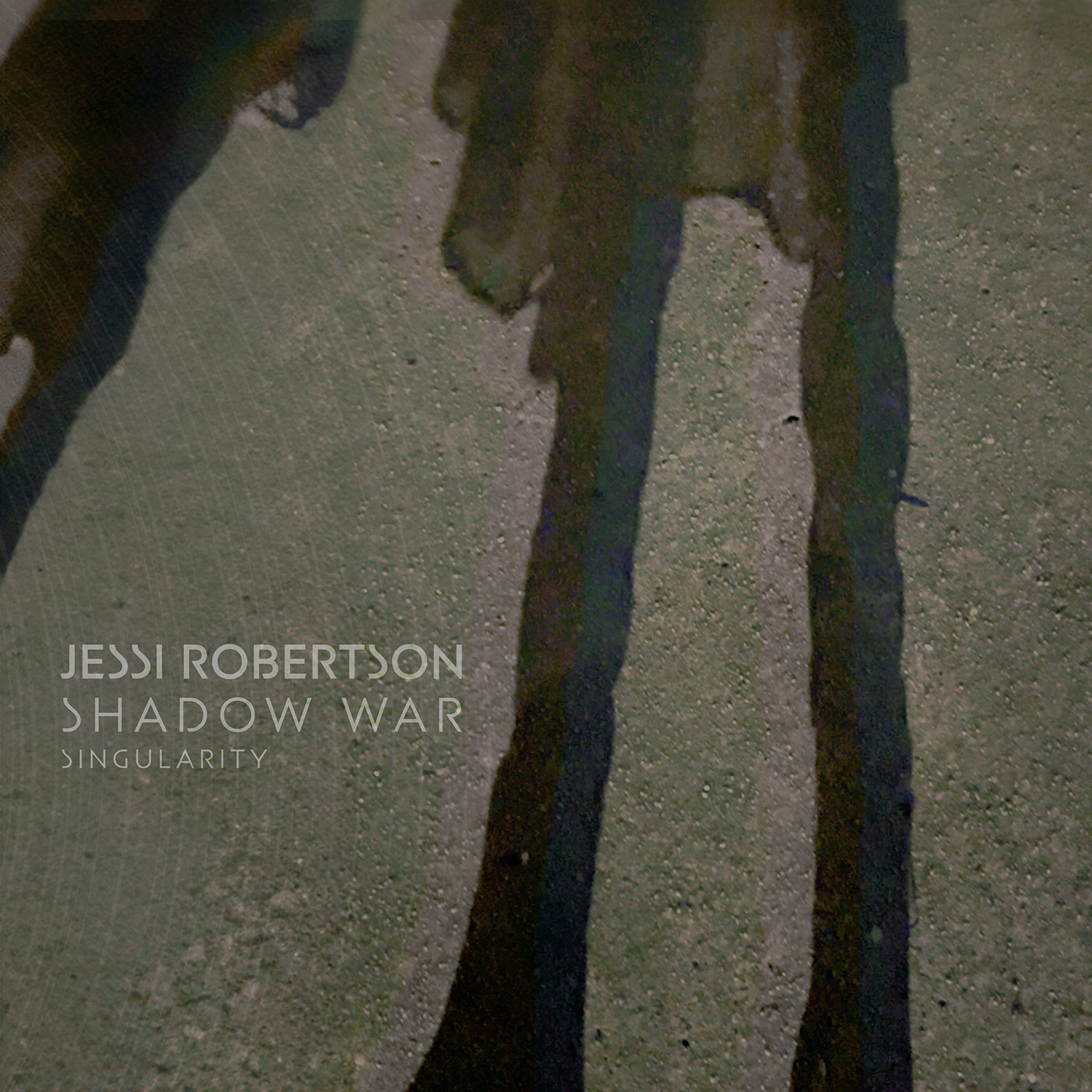
Robertson's lyrical architecture draws from golem mythology and Shelley's *Frankenstein*—a bold pairing that could easily collapse under its own literary weight. Instead, these references function as skeletal supports for a meditation on manufactured monstrosity. The song understands that every golem begins as clay, every creature as stitched flesh; the horror lies not in their construction but in our need to construct them at all. When Robertson sings of turning people into threats, into enemies shaped by our own shadows, she's describing a process both ancient and relentlessly contemporary. The brilliance lies in refusing easy answers. This isn't protest music or call-to-arms; it's the sound of someone staring directly at humanity's most persistent failure and trying to locate the fracture point where empathy might still enter.
Berg's production work proves essential rather than ornamental. His atmospheric sensibility—honed through his Mountainwalker project—doesn't simply coat Robertson's vision in reverb and minor keys. He builds tension through restraint, allowing silence to carry as much weight as sound. The collaboration reads as genuinely symbiotic; Berg hasn't remixed Robertson so much as translated her, finding sonic equivalents for the psychological states the lyrics describe. Vulnerability becomes space between notes. Transformation manifests as shifting textures that refuse to settle into comfort.
What Robertson achieves here is increasingly rare: political art that trusts its audience. "Shadow War: Singularity" refuses to explain itself, to underline its own relevance or draw convenient parallels to current conflicts. The song knows that division breeds in the spaces where we've stopped seeing one another clearly, and it knows that stating this baldly would diminish its power. Instead, Robertson opts for the language of omens and hidden dangers, for imagery that operates on instinct before intellect. The warm, beating human heart she references isn't sentimental device but arrival point—the destination we might reach if we survive our own shadow wars.
The Dark Matter Singularity Series concept deserves attention as more than marketing strategy. Robertson has positioned herself against the disposable single culture, instead proposing that songs might contain multitudes, that collaboration can unlock dimensions the original artist sensed but couldn't fully articulate alone. "Singularity" justifies this approach immediately. It stands as both companion to and argument with its predecessor, proof that reinvention needn't mean dilution.
The Nashville scene has produced no shortage of introspective singer-songwriters mining personal trauma for universal truth, but Robertson operates with different tools. Her multi-instrumentalist background manifests not in technical showboating but in structural intelligence—the song feels built rather than written, assembled with an engineer's understanding of how parts interact under pressure. When she explores internal conflict, it's with the precision of someone mapping actual territory rather than performing emotional tourism.
The forthcoming release party at The Underdog suggests Robertson understands the value of context, of creating space for this music to resonate beyond streaming platforms. Paired with performances from Kat Jones and Anna Haas, the evening promises to function as ritual rather than mere concert—a gathering for those willing to sit with discomfort, to examine how quickly we transform the unfamiliar into the threatening.
"Shadow War: Singularity" establishes Robertson as an artist uninterested in easy comfort or familiar shapes. She's after something more difficult: the possibility that music might actually help us see past our own defences, might offer a map through the wilderness of our worst instincts. Whether the remaining entries in this series can sustain such ambition remains to be seen, but this opening salvo hits its mark with unsettling accuracy.