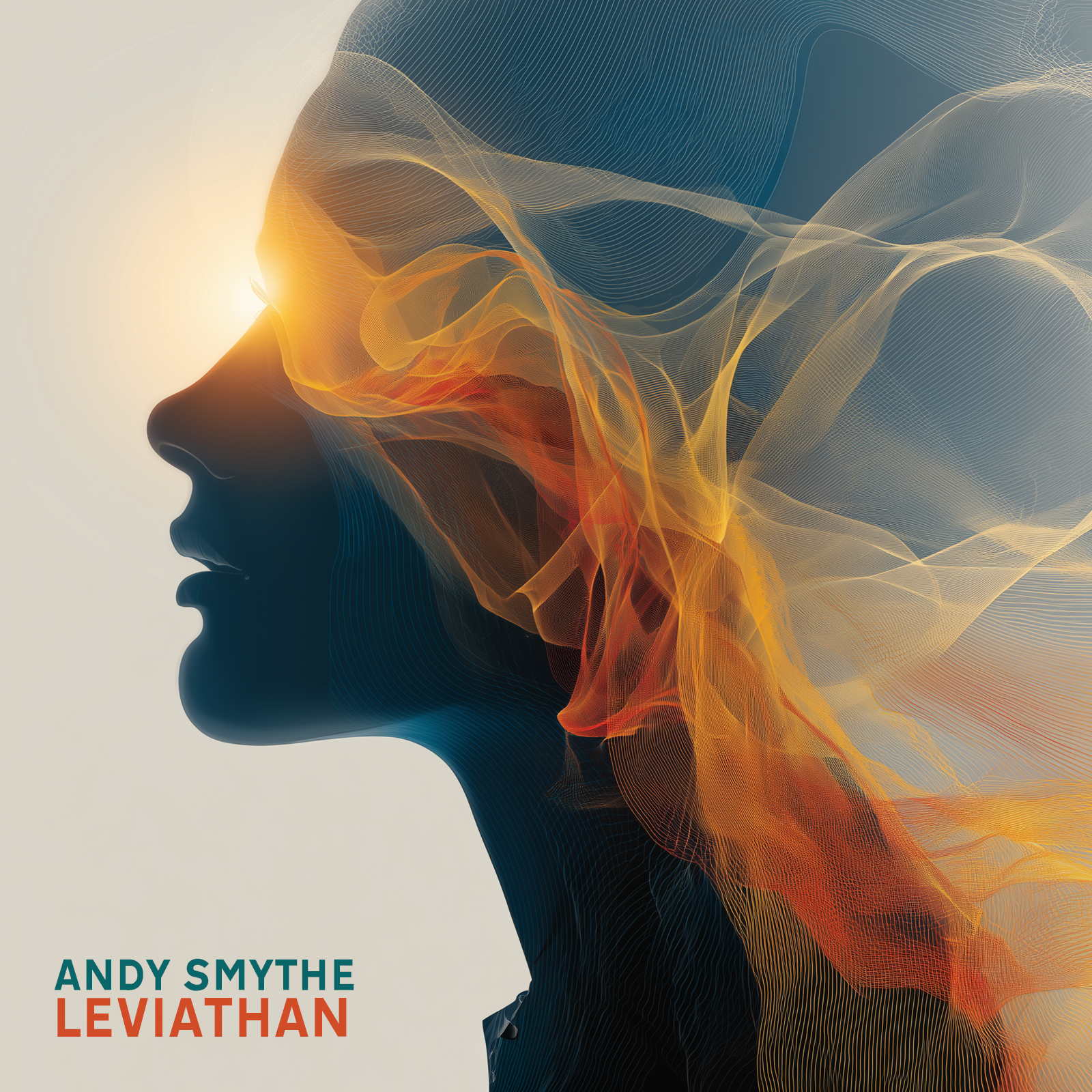
The track opens with a swirl of organ and synth that immediately establishes its carnivalesque atmosphere – think Tom Waits meeting David Bowie at a political theory symposium. This is no accident. Smythe, performing every instrument himself (guitars, synths, organ, bass, and blues harp), has constructed a sonic landscape that mirrors the song's central paradox: can benevolent authority exist, and would we even recognize it if we saw it? The fairground aesthetic serves as both invitation and warning, suggesting that our grandest political experiments might be as precarious as a hall of mirrors.
Lyrically, Smythe navigates treacherous intellectual territory with remarkable deftness. The song examines humanity's recurring need for Leviathan figures – those all-powerful entities theorized by Thomas Hobbes as necessary to prevent society descending into a war of all against all. Yet Smythe refuses easy answers or utopian fantasies. He acknowledges that concentrated power, regardless of intention, has historically failed to deliver genuine human flourishing or equality. The reference to the United Nations and its veto-wielding Security Council members offers a pointed contemporary example of how attempts to regulate international bad actors remain hamstrung by the very structures designed to prevent tyranny.
What elevates 'Leviathan' beyond mere political commentary is Smythe's willingness to entertain radical possibilities without abandoning critical scrutiny. The song posits a future where advanced artificial intelligence might succeed where human institutions have failed – fairly distributing resources, resolving conflicts, managing climate catastrophe. Yet this speculation arrives freighted with historical awareness. We've heard promises of benevolent authority before. The carnival atmosphere begins to feel less celebratory and more darkly ironic, a reminder that every revolution promises paradise and most deliver something considerably less appealing.
Musically, the track demonstrates Smythe's considerable range as a multi-instrumentalist. The blues harp cuts through the swirling keyboards with a plaintive, almost mournful quality that underscores the song's underlying anxiety. The guitar work is understated but essential, providing structural integrity to arrangements that might otherwise float away into abstraction. This is ambitious material – both intellectually and compositionally – and Smythe handles it with the confidence of an artist who has spent years developing his craft.
The production maintains that "wonderful warm sound" Mike Scott of The Waterboys praised, even as the subject matter turns cold and analytical. This warmth proves crucial. Lesser artists tackling similar themes might produce something didactic or sterile. Smythe instead creates music that engages both head and heart, making political philosophy feel visceral and urgent rather than academic.
'Leviathan' positions itself as cautiously optimistic – hence that carnival atmosphere – but it's an optimism earned through clear-eyed assessment rather than wishful thinking. Smythe understands that every solution creates new problems, that every system eventually ossifies into the very thing it sought to replace. The question hanging over the song isn't whether AI could govern better than humans, but whether we're capable of building systems that don't eventually corrupt or collapse.
As a preview of *Quiet Revolution*, 'Leviathan' suggests an album of considerable substance and ambition. Smythe has always been, as Shindig noted, "a literate writer" with "much to say," but here he's found a form that matches his intellectual restlessness. Following the well-received 'Emergency', this second single confirms that Smythe isn't interested in retreading familiar ground or offering comfortable reassurance. Like Bowie and Lennon before him, he challenges his audience to think seriously about civilization's trajectory.
Whether 'Leviathan' provides answers or simply asks better questions remains deliberately ambiguous. Perhaps that's the point. The carnival continues, the music plays on, and we're all still deciding who – or what – should call the tune.