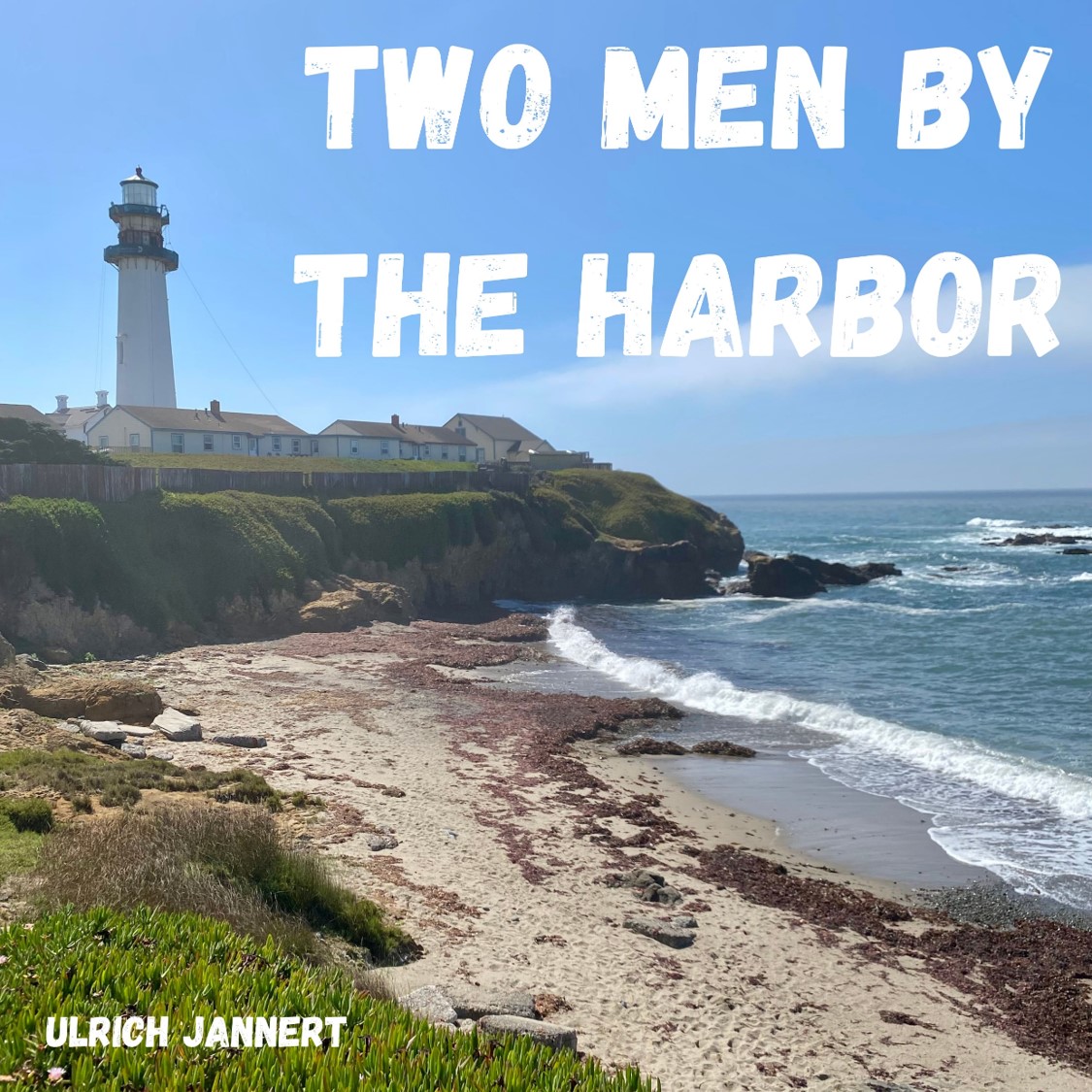
The German-born, Scandinavia-based songwriter has crafted a track that operates on the principle of restraint. The arrangement—described as a blend of R&B, folk rock, and modern country-rock—never overreaches. Instead, Jannert allows the central metaphor to breathe, trusting his listeners to find their own reflection in the harbor's still waters. This is music designed for the introspective hours, those moments when Spotify's algorithm might nudge you toward "contemplative folk" or "rainy day soul."
The lyrical conceit is elegantly simple: two figures at water's edge, each representing a different philosophy of living. One craves the comfort of four walls and warm lights; the other hears the wild wind's call beyond the shore. It's hardly revolutionary territory—Bob Dylan was wrestling with similar themes before most of Jannert's streaming audience was born—but the execution displays a craftsman's touch. The verses unfold with unhurried purpose, each line contributing to the gradually building tension between stasis and motion.
Where Jannert distinguishes himself is in his refusal to adjudicate. The chorus poses its question—"Safe or free / Choose your story / Who will you be?"—without tipping the scales. Both men receive equal time to state their case, and the bridge's observation that "Every dream's a ship / Waiting for the wind" applies equally to the homebound and the horizon-chaser. This evenhandedness might frustrate listeners seeking direction, but it demonstrates a maturity often absent in contemporary songwriting, where every narrative must resolve into a neat moral package.
The sonic palette supports this philosophical ambivalence. Jannert's production, honed in his Northern European studio during those long Scandinavian winters he references, favors warmth over edge. The soul-rock designation fits comfortably—imagine the contemplative moments on a Van Morrison record stretched into full-song form, or the folkier passages of The Black Crowes dialed back to bedroom volume. The organic arrangements mentioned in the press materials aren't mere marketing speak; you can hear the deliberate placement of each instrument, the space left for the vocal to carry its narrative weight.
The song's structure follows a satisfying arc. After establishing the two perspectives in the opening verses, Jannert introduces time as the third character: "Time rolls like the ocean / Old eyes still shining bright." The men, now older, build "a final vessel / To sail into the night." The outro's revelation—"Two men at the harbor / Never seen again"—offers not resolution but disappearance, suggesting that perhaps the choice itself matters less than the courage to make it.
Jannert has carved out a niche for himself as a purveyor of thoughtful, accessible songcraft—music that accompanies rather than demands attention, that invites repeated listening without insisting on it. For playlists labeled "Sunday Morning Coffee" or "Thoughtful Americana," this fits perfectly. For those seeking the next genre-defying statement or career-defining anthem, look elsewhere.
"Two Men by the Harbor" works best as exactly what it claims to be: a space for reflection, a musical mirror held up during moments of personal uncertainty. Jannert's gift lies not in answering life's big questions but in scoring them with warmth and melodic grace. That's enough.