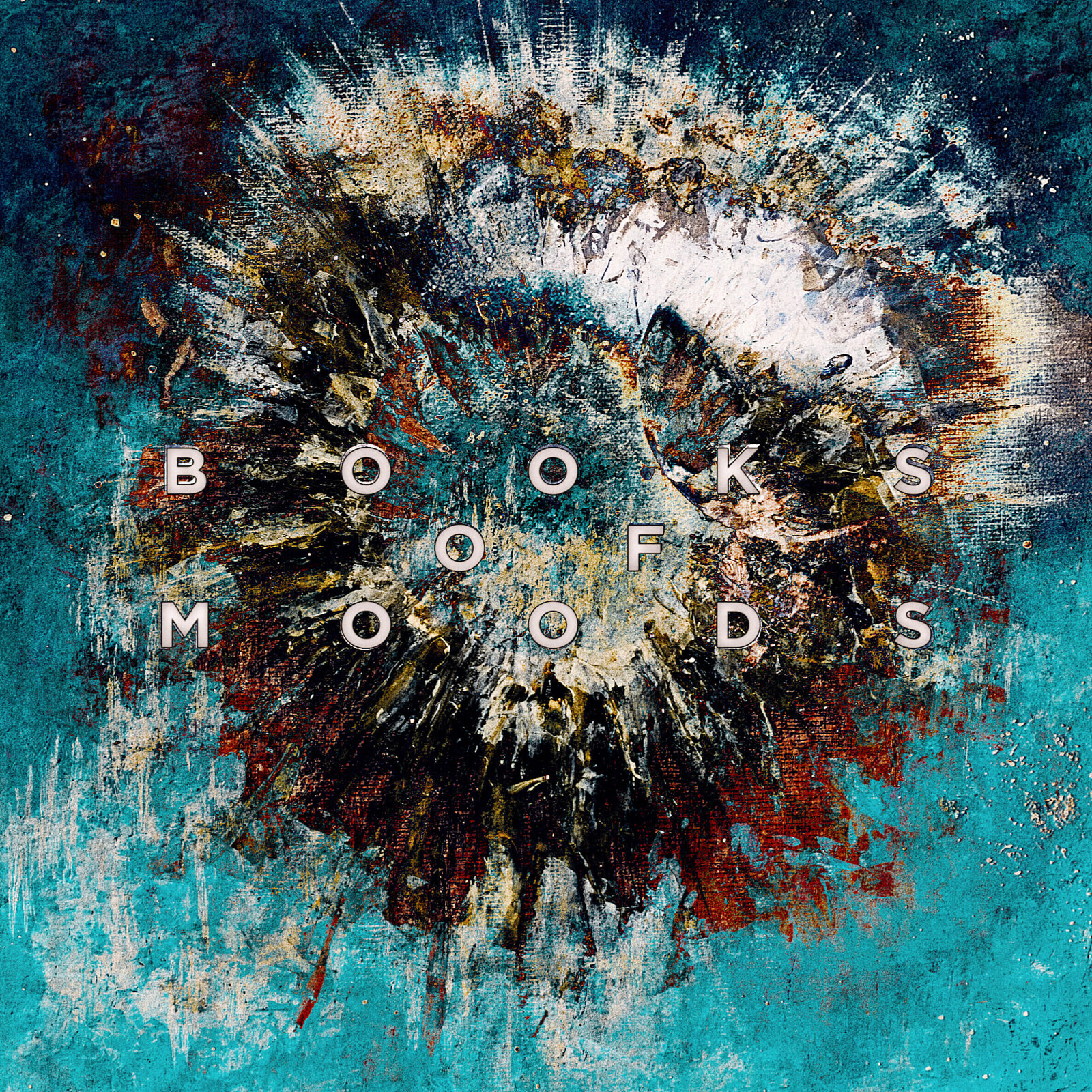
From its opening salvo, the track establishes itself as something of a knowing pastiche—but executed with such verve and genuine affection for its source material that any cynicism dissolves immediately. The dual vocal arrangement, featuring both male and female voices intertwining with the kind of playful antagonism that suggests both bedroom and wardrobe warfare, recalls the theatrical grandeur of Bowie's Berlin period while maintaining the ragged-trousered swagger of Kasabian at their most unrestrained. It's a heady cocktail, and Sailer serves it with a wink and a smirk.
The production values here deserve particular praise. Rather than drowning the song in contemporary sheen, Books Of Moods opts for a more textured approach that nods to vintage sensibilities without becoming slavishly retro. The guitars have bite—angular, insistent riffs that propel the narrative forward with urgency. There's a rawness to the mix that feels almost accidental, as though the band captured lightning in a bottle during a particularly inspired studio session and wisely decided not to polish away its rough edges.
Lyrically, "Fashion Romance" treads a delightfully precarious line between satire and sincerity. The conceit—a relationship consumed by shopping sprees and impulsive purchases—could easily collapse into mere novelty, yet Sailer demonstrates a shrewd understanding of how material desires intertwine with romantic ones. The shopping-obsessed lover isn't mocked so much as celebrated for their unapologetic hedonism, and the song's narrator seems equally intoxicated by both the person and their penchant for excess. It's a refreshingly honest take on modern romance, acknowledging that love and consumption aren't always separate spheres.
The vocal performances themselves deserve scrutiny. The male voice channels a kind of louche confidence, all knowing glances and raised eyebrows, while the female counterpart matches and frequently exceeds that energy with a performance that's by turns coquettish, commanding, and entirely self-possessed. Their chemistry is palpable, suggesting genuine collaborative spirit rather than merely two voices occupying the same sonic space. When they converge on the chorus, there's a sense of gleeful complicity—two people fully aware of their shared madness and reveling in it.
Books Of Moods' stated influences—that lineage stretching from The Velvet Underground through Bowie and into the art-rock insurgency of Arcade Fire—are worn lightly but clearly. You can hear Lou Reed's deadpan wit lurking in the verses, feel Bowie's theatrical DNA in the song's chameleonic shifts, sense Arcade Fire's anthemic ambitions in the way the chorus expands to fill every available space. Yet "Fashion Romance" never feels derivative. Sailer has absorbed these influences and metabolized them into something distinctly his own.
The track's brevity works strongly in its favor. At no point does it outstay its welcome or succumb to the bloat that afflicts so much contemporary indie rock. It makes its statement, delivers its thrills, and exits before you've quite realized what's happened—leaving you eager to press repeat and parse its pleasures anew.
For a project still in its relative infancy—Books Of Moods only emerged in late 2023—this represents remarkably assured work. "Fashion Romance" suggests an artist with a clear vision and the technical chops to execute it, unafraid of pop's pleasures while maintaining an art-rock sensibility that prevents things from becoming too comfortable or predictable.
If this is the caliber of work we can expect from Books Of Moods moving forward, Hugo Sailer may well find himself crafting some of the most compelling art-rock to emerge from Paris since the halcyon days of French Touch electronica gave way to a new generation of guitar-wielding romantics. "Fashion Romance" is impulsive, intoxicating, and utterly irresistible—much like the best love affairs, and the finest pop songs.