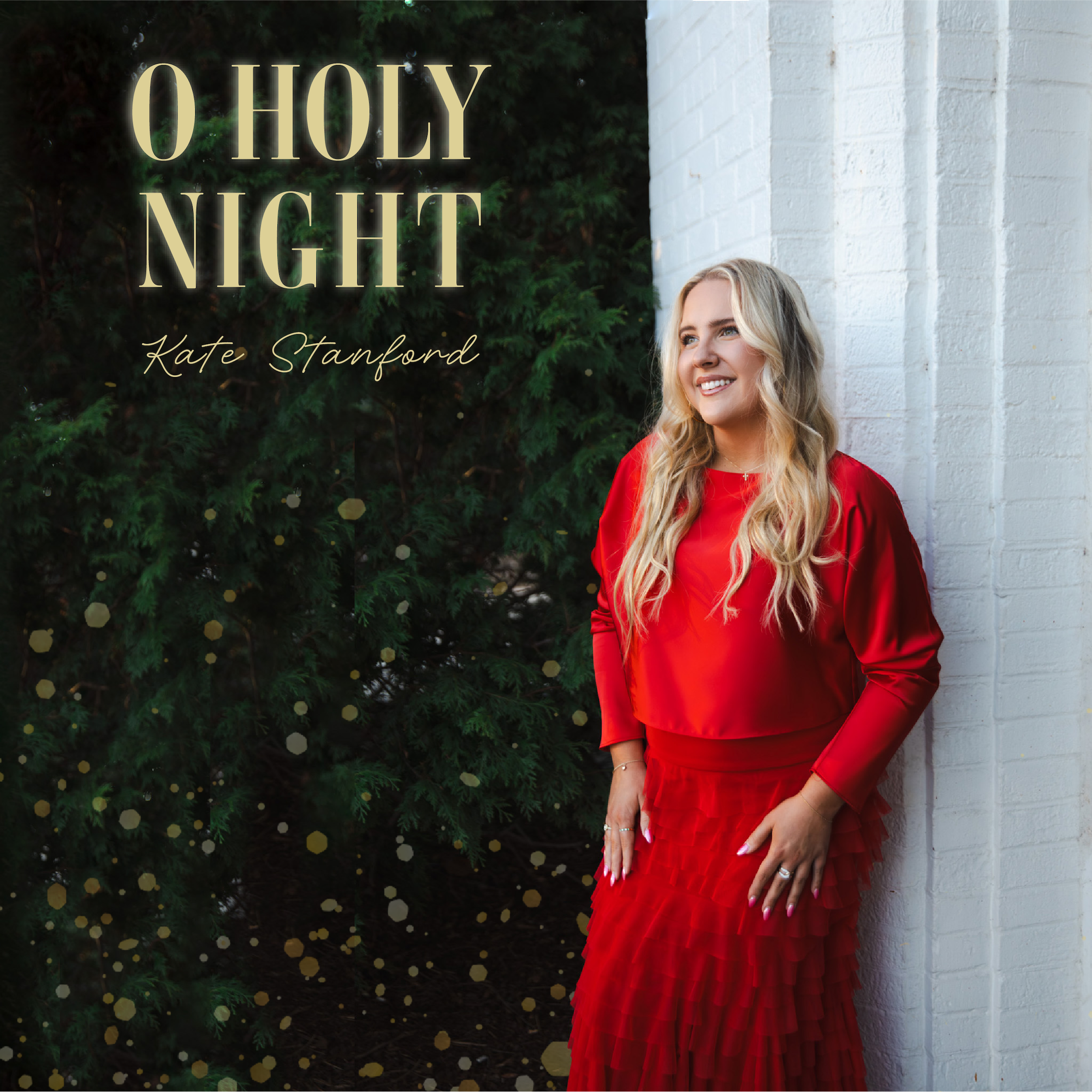
Stanford's rendition, produced by two-time Grammy nominee Cindy Morgan, establishes its intentions immediately. The arrangement opens with piano—not the thundering, dramatic chords one might anticipate, but gentle, considered phrases that suggest contemplation rather than proclamation. When strings enter the sonic landscape, they do so as companions rather than heralds, weaving through the texture with an elegant discretion. This is production work of considerable intelligence, creating space rather than filling it, allowing each element to breathe without competing for attention.
The vocalist's approach proves equally judicious. Stanford possesses what the press materials accurately describe as "rich, emotive vocals," yet she deploys this instrument with admirable discipline. Where lesser interpreters might assault the carol's climactic moments with melismatic gymnastics or sheer vocal force, Stanford chooses a different path. Her delivery prioritises clarity of text and purity of line, permitting the lyric's inherent power to do its proper work. The result feels less like performance and more like testimony—a subtle but crucial distinction that elevates the entire enterprise.
The marriage of classical and contemporary sensibilities here deserves particular attention. Morgan's production navigates the treacherous waters between timelessness and modernity with impressive skill. The arrangement honours the carol's traditional structure whilst incorporating enough contemporary production values to prevent the recording from sounding like a museum piece. The strings, for instance, are recorded with warmth and proximity that would have been impossible in earlier decades, yet they never sound aggressively modern or out of place within the carol's established framework.
Stanford's artistic biography reveals a performer committed to "authentic storytelling," and this recording bears out that claim. The sincerity audible in her vocal approach—the absence of artifice, the refusal to oversell emotional moments—suggests an artist more interested in meaning than mere effect. She has spoken of the carol reminding her "that even in a weary world, peace and healing are still possible," and this conviction permeates the performance without ever becoming didactic or heavy-handed.
The recording's success lies ultimately in its resistance to spectacle. In a cultural moment glutted with excess, when every artistic statement seems calculated to overwhelm rather than persuade, Stanford and Morgan have produced a reading of remarkable poise. The arrangement never rushes, never forces, never oversells. It simply presents the carol with intelligence, craft, and genuine feeling—qualities that prove far more affecting than any amount of vocal acrobatics or orchestral grandeur.
For listeners weary of histrionic holiday recordings, Stanford's "O Holy Night" offers genuine respite. It demonstrates that artistic maturity sometimes means knowing what not to do, that conviction need not manifest as volume, and that beauty often emerges most clearly when given proper room to resonate. This is work that trusts both its material and its audience—a rarer commodity than one might hope, and all the more valuable for its scarcity.