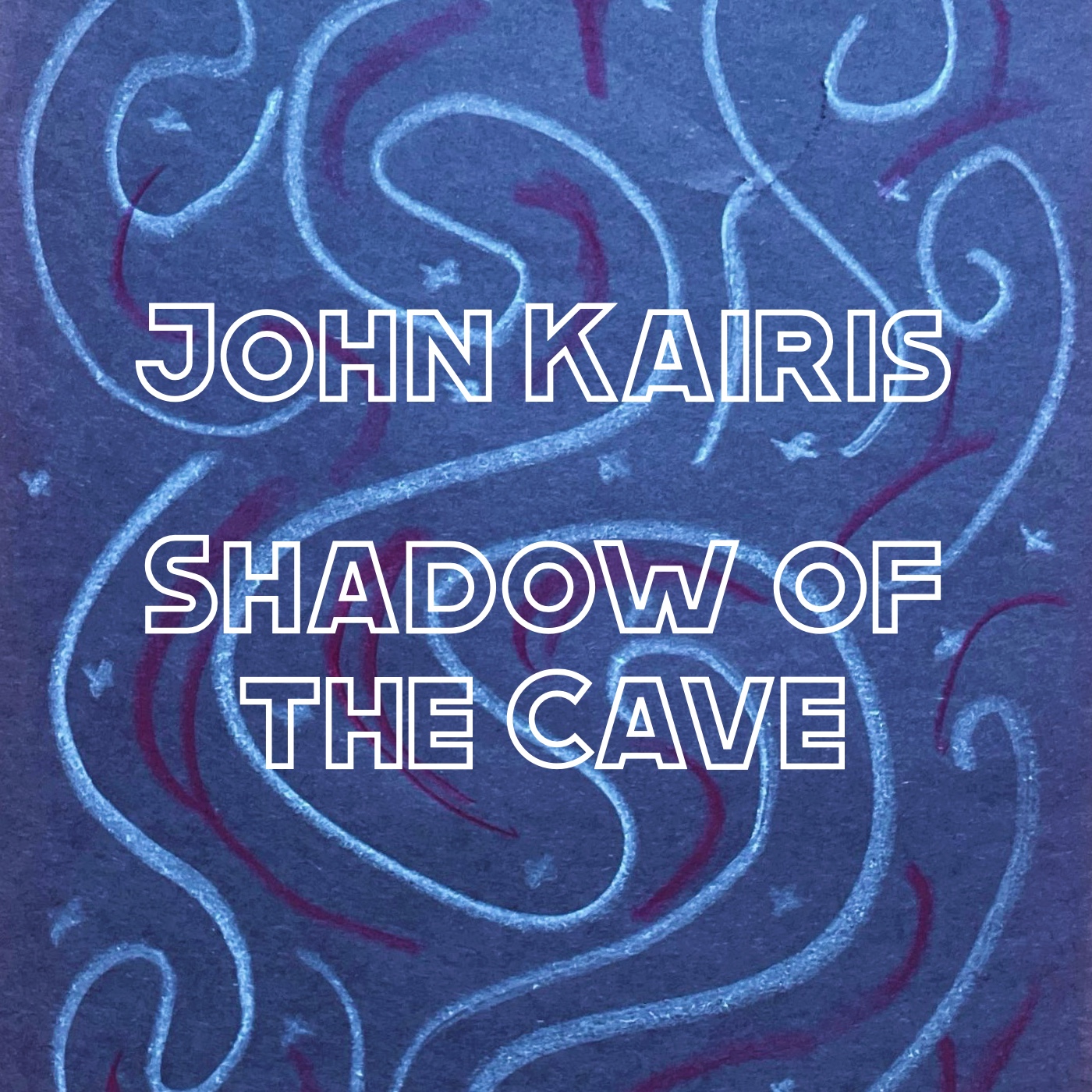
Kairis comes to this project with an unusual pedigree. Trained in composition at Temple University, his background suggests someone who might produce cerebral exercises in modernist detachment. Instead, *Shadow Of The Cave* demonstrates how formal rigour can intensify rather than dilute feeling. The orchestration throughout possesses a clarity that speaks to genuine study—instruments enter and depart with purposeful timing, harmonies shift with architectural precision—yet never does this feel like showing off. The craft serves the emotional truth of the material.
The album's title invokes Plato's allegory, that foundational metaphor about perception and reality, shadows and substance. Kairis doesn't labour the connection, but it hovers over the proceedings like a question mark. These songs circle around themes of illumination and confusion, the difficulty of seeing clearly what stands directly before us. The arrangements mirror this ambiguity: moments of instrumental transparency give way to denser passages where multiple voices compete for attention, creating a productive disorientation.
Two tracks feature instrumental contributions from friends within Kairis's Philadelphia songwriting circle—a collective approach that benefits the record considerably. These aren't merely guest spots but genuine collaborations, moments where the music opens outward beyond the songwriter's solitary vision. The instrumentation across the album draws on Kairis's multi-instrumental abilities—piano, guitar, alto saxophone—but never feels cluttered or indulgent. Each element justifies its presence.
His vocal delivery proves equally considered. Singing in a church choir under John B Hedges has clearly influenced his approach to phrasing and dynamics. There's a restraint here, a willingness to let lines breathe rather than forcing significance upon them. When emotion rises, it feels earned rather than manufactured. This isn't the kind of record that mistakes raw confession for depth; Kairis understands that sometimes the most affecting moments arrive obliquely.
The production values reflect someone who has thought carefully about how intimate music should sound in recorded form. Nothing feels overworked or artificially polished, yet neither does this court the false authenticity of deliberate lo-fi aesthetics. The sonic spaces feel lived-in, warm without being soft, present without being aggressive.
Kairis's engagement with his Philadelphia songwriting community, particularly the circle led by pianist Gen Jr., has clearly shaped his approach. These songs bear the marks of work that has been shared, discussed, revised—music made within a culture of constructive criticism and mutual support. The best art often emerges from such communities, where individual vision meets collective refinement.
The spiritual dimension of this work deserves acknowledgment without being overstated. Kairis's involvement with the First Unitarian Church under Rev. Abbey Tennis has evidently informed his worldview, but this manifests subtly. These aren't protest songs or hymns; rather, the influence appears in the music's essential generosity, its assumption that listeners are capable of engaging with complexity and ambiguity.
*Shadow Of The Cave* announces a songwriter of genuine promise, someone whose technical abilities serve rather than dominate his artistic instincts. This is thoughtful music that never becomes merely cerebral, emotional music that avoids cheap sentiment. Kairis has crafted something rare: a debut that sounds fully formed yet promises further development, music that satisfies immediately while rewarding repeated attention. The shadows on his cave wall merit prolonged contemplation.