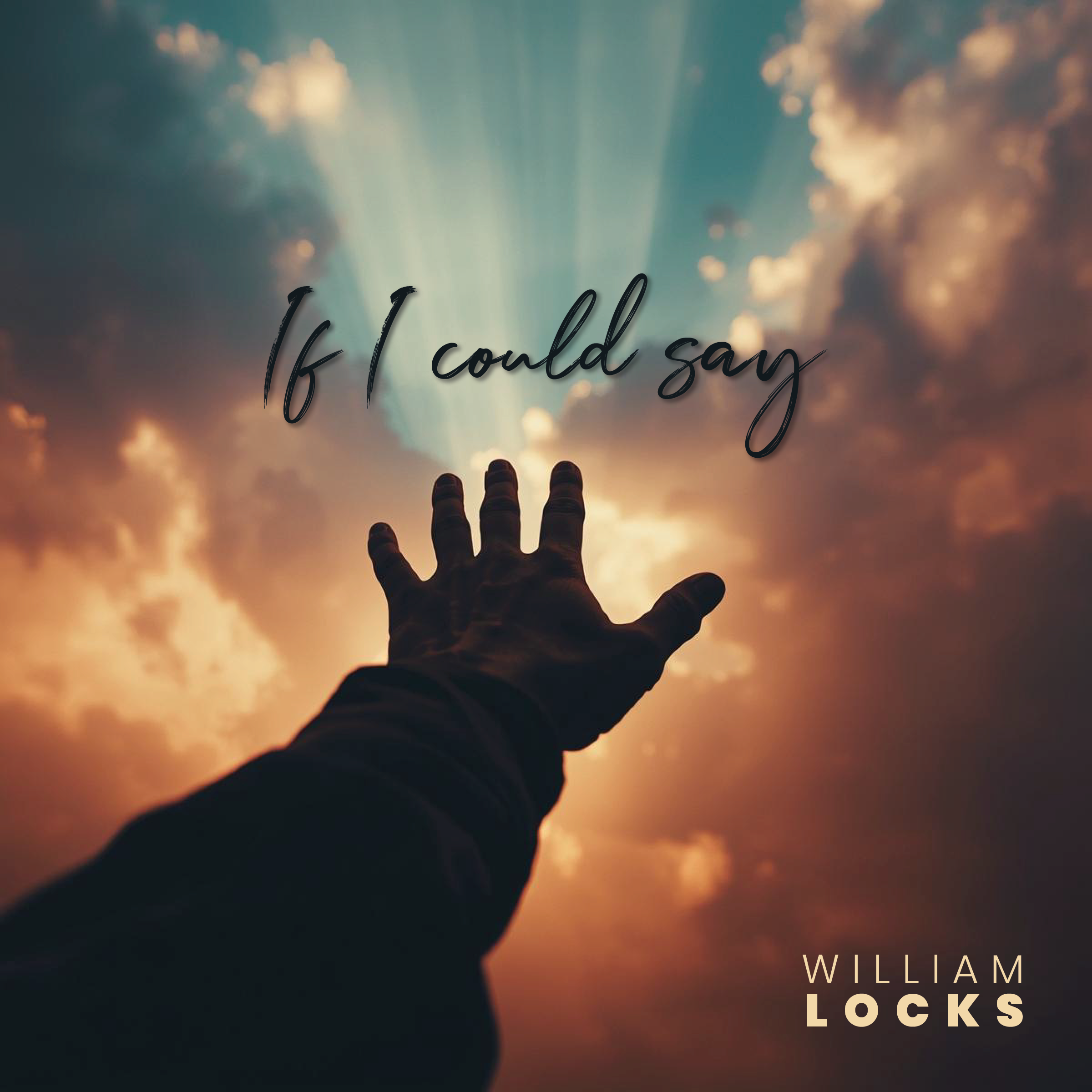
Released this November, the track emerges from what the artist describes as a living room transformed—mattresses pressed against walls, curtains hung to capture sound—and the setting proves entirely appropriate for material this raw. This isn't music designed for stadium consumption or algorithmic playlists. Rather, it occupies that uncomfortable territory where personal grief meets artistic expression, where the act of creation becomes inseparable from the act of healing.
The backstory threatens to overwhelm the music itself: a tragic car accident, a lost relationship, the haunting realization that apology has become impossible. Van der Sluijs admits he was, in his own words, "an asshole" during the relationship, and the years following the accident became a period of character transformation. Only after this painful metamorphosis did the impossibility of reconciliation truly strike him. The song gestated for two additional years before he found courage enough to release it into the world.
Such biographical detail risks reducing the single to mere therapy, a private exorcism dressed as public art. Yet "If I Could Say" manages to transcend its origins through the universality of its central wound. Who among us hasn't carried the weight of unsaid words, the burden of apologies that time or circumstance has rendered forever undeliverable? Van der Sluijs has located one of those fundamental human predicaments—the irreversibility of loss, the permanence of missed opportunities—and given it musical form.
The production choices reflect this emotional directness. Recording in such makeshift circumstances inevitably colours the sound, lending it a proximity and immediacy that high-budget polish might have suffocated. One imagines the artist alone with his grief, converting domestic space into confessional booth, the very walls absorbing not just acoustic reflections but years of accumulated regret.
Van der Sluijs offers listeners a striking maxim: "Tomorrow is not a certainty. Make peace before you go to sleep." The sentiment might appear trite in isolation, but within the context of his narrative, it carries genuine weight. This isn't abstract wisdom but lived experience, a lesson purchased at the highest possible price. The single becomes, then, both personal closure for its creator and potential catalyst for listeners wrestling with similar demons.
The artist's stated hope—that those who recognize this feeling might find peace—elevates the work beyond solipsistic grief. "If I Could Say" positions itself as a form of solidarity, a musical acknowledgment that these particular sorrows are not borne alone. Whether the composition itself bears sufficient melodic or lyrical sophistication to support such emotional freight remains for individual listeners to judge, but the sincerity of intent proves difficult to question.
Rotterdam has long punched above its weight in European music culture, a port city that understands transit and transformation. Van der Sluijs joins this tradition not through imitation but through radical honesty, offering a single that makes no concessions to commercial considerations. The very title acknowledges impossibility—not "What I Said" but "If I Could Say"—marking the song as an exercise in imagined reconciliation, a conversation that can never occur.
Whether "If I Could Say" represents the beginning of a significant artistic career or stands alone as a singular statement of grief remains unclear. What cannot be disputed is the courage required to transform private anguish into public art, to convert a living room into confessional space, and to trust that vulnerability might resonate beyond one's own experience. In that particular achievement, William Locks has succeeded entirely.