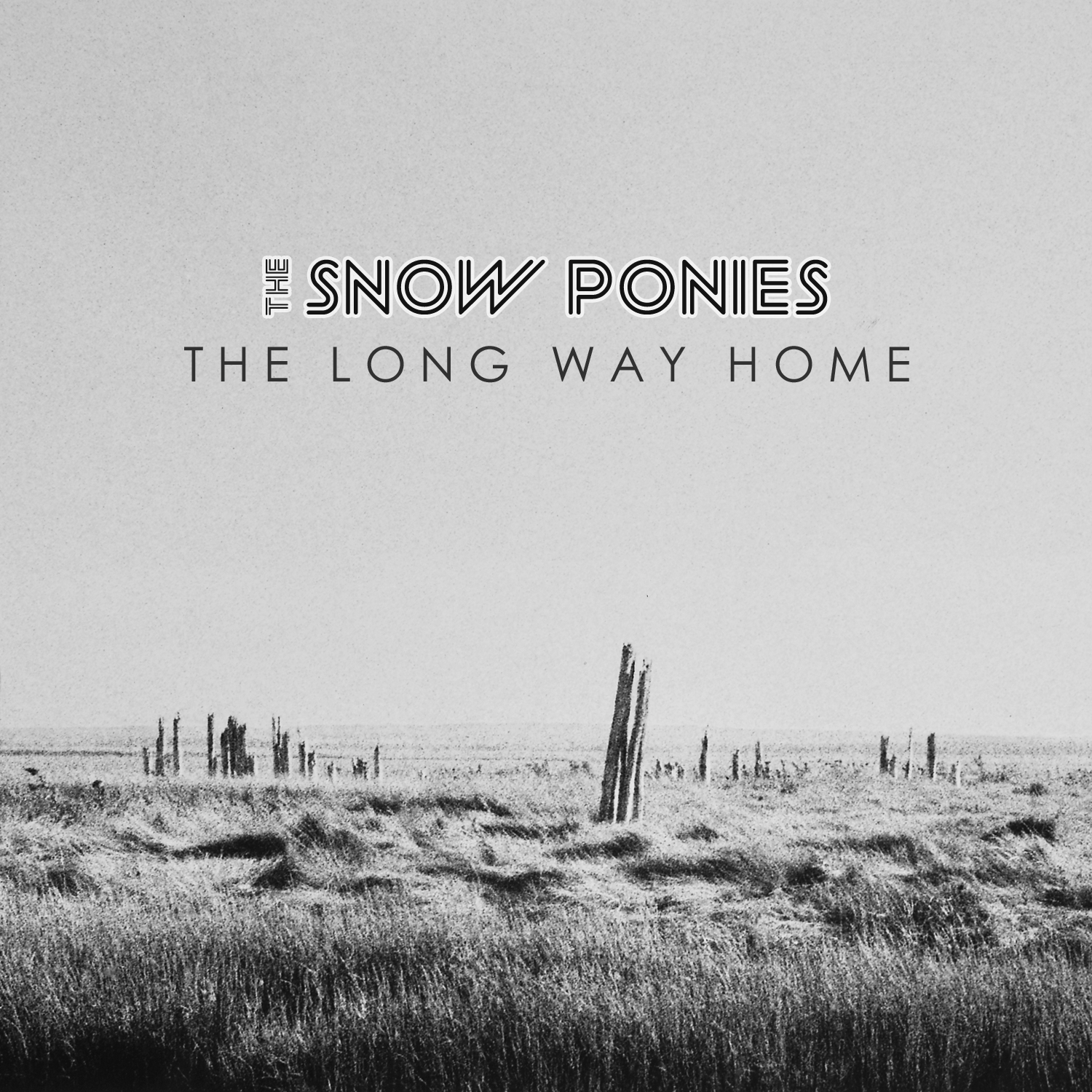
The track opens with a shimmering guitar line that immediately recalls the crystalline production values of prime-era New Order, before expanding into a sonic landscape that draws equally from the anthemic sensibilities of stadium-ready indie rock and the textural sophistication of new wave's golden age. Dean's production choices prove remarkably astute throughout, layering synth washes beneath jangling guitars without ever allowing the arrangement to collapse into murky indistinction. Each element occupies its own carefully delineated space, creating a sense of depth that rewards repeated listening.
Vocally, Dean strikes a delicate balance between detachment and emotional urgency. His delivery suggests someone who has internalized the lessons of Jarvis Cocker's conversational eloquence while maintaining enough distance from that influence to avoid mere pastiche. The lyrics navigate themes of displacement and belonging without ever tipping into mawkishness, a feat that speaks to Dean's maturity as a songwriter. His previous decade-plus of experience manifests not through showboating but through restraint—knowing when to pull back, when to let the instrumental elements breathe, when to allow a phrase to linger.
The chorus builds with inexorable momentum, employing the classic quiet-loud dynamics that the Pixies pioneered but deploying them with a specifically antipodean sensibility. There's a windswept quality to the production, a sense of vast distances and open skies that grounds the song firmly in its New Zealand context while maintaining universal appeal. The bridge section introduces an unexpected harmonic shift that elevates the track beyond conventional verse-chorus architecture, suggesting Dean possesses the compositional ambition to match his obvious technical facility.
The accompanying music video proves equally accomplished, eschewing the literal-mindedness that plagues so much contemporary music video production. Rather than simply illustrating the lyrics, the visuals establish their own complementary narrative, employing the stark beauty of the New Zealand landscape to powerful effect. The cinematography captures the peculiar quality of light unique to that part of the world—sharp, unforgiving, capable of rendering familiar objects strange and new. Dean himself appears throughout, but never as the focal point; instead, he's integrated into the landscape, another element in the composition rather than its subject.
The editing demonstrates admirable discipline, resisting the contemporary tendency toward rapid-fire cuts in favour of longer, more contemplative shots that allow the viewer to absorb the environment. This approach mirrors the song's own patient unfurling, its refusal to rush toward easy climaxes or instant gratification. Both song and video understand that genuine emotional impact requires space to develop, that not every moment needs to be saturated with incident.
What emerges most powerfully from both audio and visual components is a sense of arrival. Dean has cited influences ranging from Neil Young's ragged romanticism to Wet Leg's wry postmodernism, and while these touchstones are occasionally audible, "The Long Way Home" never feels derivative. Instead, it suggests an artist who has absorbed and processed his influences thoroughly enough to transcend them, arriving at a sound that feels distinctly his own.
The single positions The Snow Ponies as a project worth monitoring closely. If this represents the level of craft Dean brings to his first NZ-based musical endeavour, the promised album looming on the 2026 horizon should prove essential listening. "The Long Way Home" succeeds by trusting in the power of intelligent songcraft, meticulous production, and emotional authenticity—unfashionable virtues, perhaps, but enduring ones nonetheless.