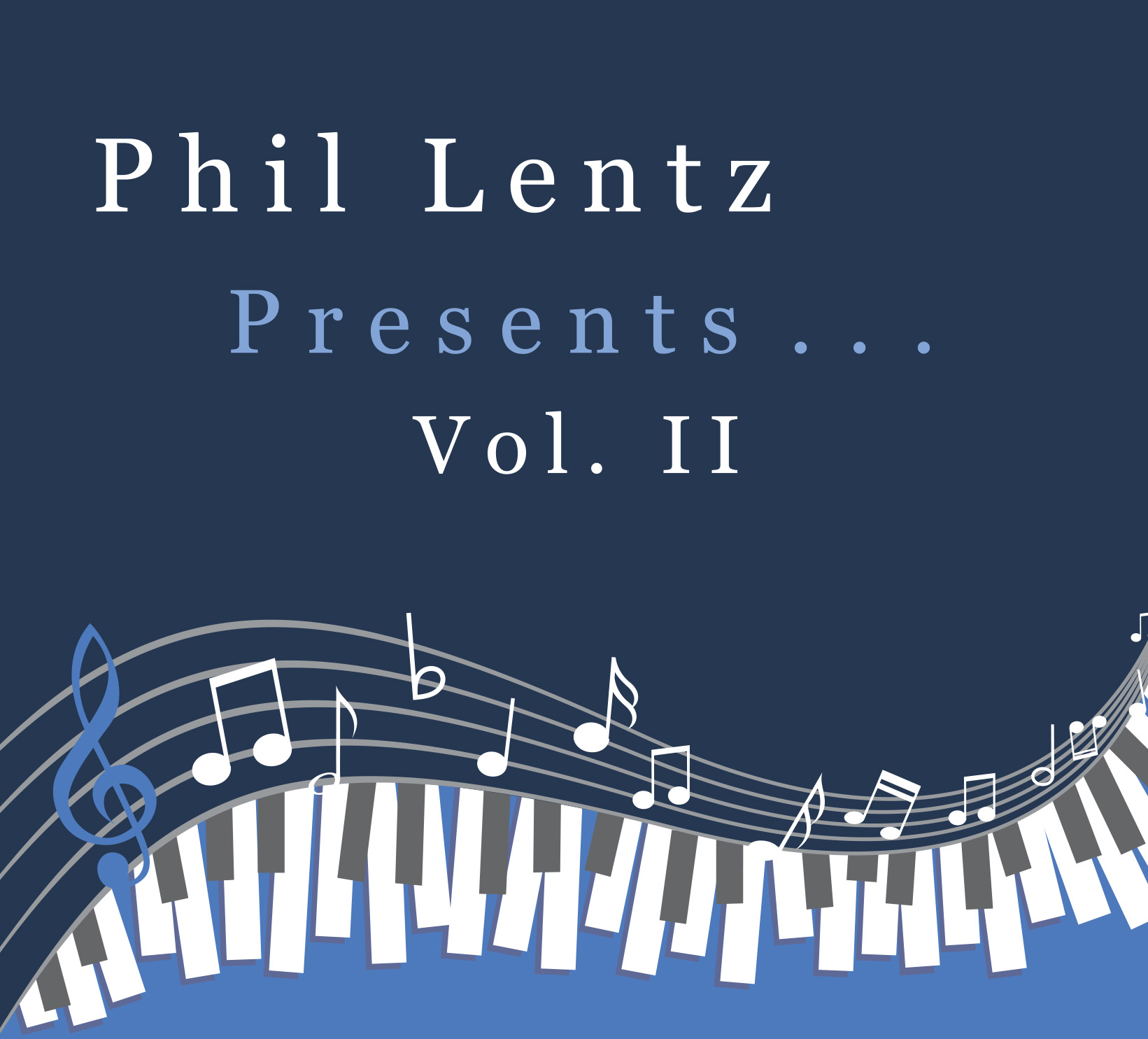
The opening melody, carried by Richard Philbin's alto saxophone, announces itself with the kind of cascading phrases that defined bebop's breathless early years. Philbin's tone possesses a pleasing warmth, negotiating the intricate melodic lines with assured technique. His playing demonstrates both respect for tradition and personal expression, never descending into mere technical exercise. When Lentz's piano assumes control during the bridge sections, the harmonic sophistication becomes immediately apparent—these are chord voicings that reveal genuine study, not superficial mimicry.
Produced by guitarist Dennis Harte at Studio Mozart in Little Falls, New Jersey, the recording benefits from engineer Kosta Kamcev's judicious touch. The sonic balance allows each instrument its proper space without resorting to the antiseptic separation that plagues much contemporary jazz production. The rhythm section—bass and drums assembled specifically for this session—provides propulsive yet unobtrusive support, understanding that bebop's genius lies partly in creating forward momentum whilst maintaining conversational interplay between instruments.
Lentz's compositional approach reveals both his strengths and limitations. The melody possesses genuine memorability; it lodges itself in the consciousness and invites repeated listening. The harmonic progressions demonstrate literacy in jazz vocabulary, moving through changes with fluency and occasional surprise. Yet one cannot entirely shake the feeling that this is music fundamentally concerned with honouring its antecedents rather than challenging them. The piece operates comfortably within established parameters, rarely venturing beyond bebop's codified language.
This conservatism need not constitute criticism. Jazz encompasses many mansions, and authenticity of expression matters more than artificial innovation. Lentz clearly composes from genuine affection rather than academic obligation. His work with a bebop workshop evidently instilled not just technical facility but emotional connection to this music's particular alchemy of intellect and spontaneity.
The arrangement merits particular praise. The decision to feature alto saxophone carrying the primary melodic burden whilst piano handles the bridge sections reflects proper understanding of bebop's structural conventions. These choices feel organic rather than imposed, suggesting that Lentz and Harte invested considerable thought into how best to serve the composition. The overdubs mentioned in production notes remain tastefully restrained, enhancing rather than overwhelming the core performance.
Philbin's last-minute inclusion proves serendipitous. His alto work brings necessary vitality, navigating the composition's demands with both precision and personality. That such chemistry emerged from what might have been fraught circumstances speaks well of everyone's professionalism and musicality.
"Bebopping Along" succeeds on its own modest terms—a well-crafted, affectionately performed piece of jazz composition that honours its lineage without embarrassment. Whether such music possesses relevance beyond its immediate pleasure remains an open question, but Lentz demonstrates sufficient skill and sincerity to justify his artistic choices. For an artist still developing his public performing profile whilst maintaining work with various New York cover bands, this represents commendable progress. The piece invites contemplation of jazz's perennial tension between preservation and innovation, ultimately suggesting that both impulses possess validity when pursued with integrity.