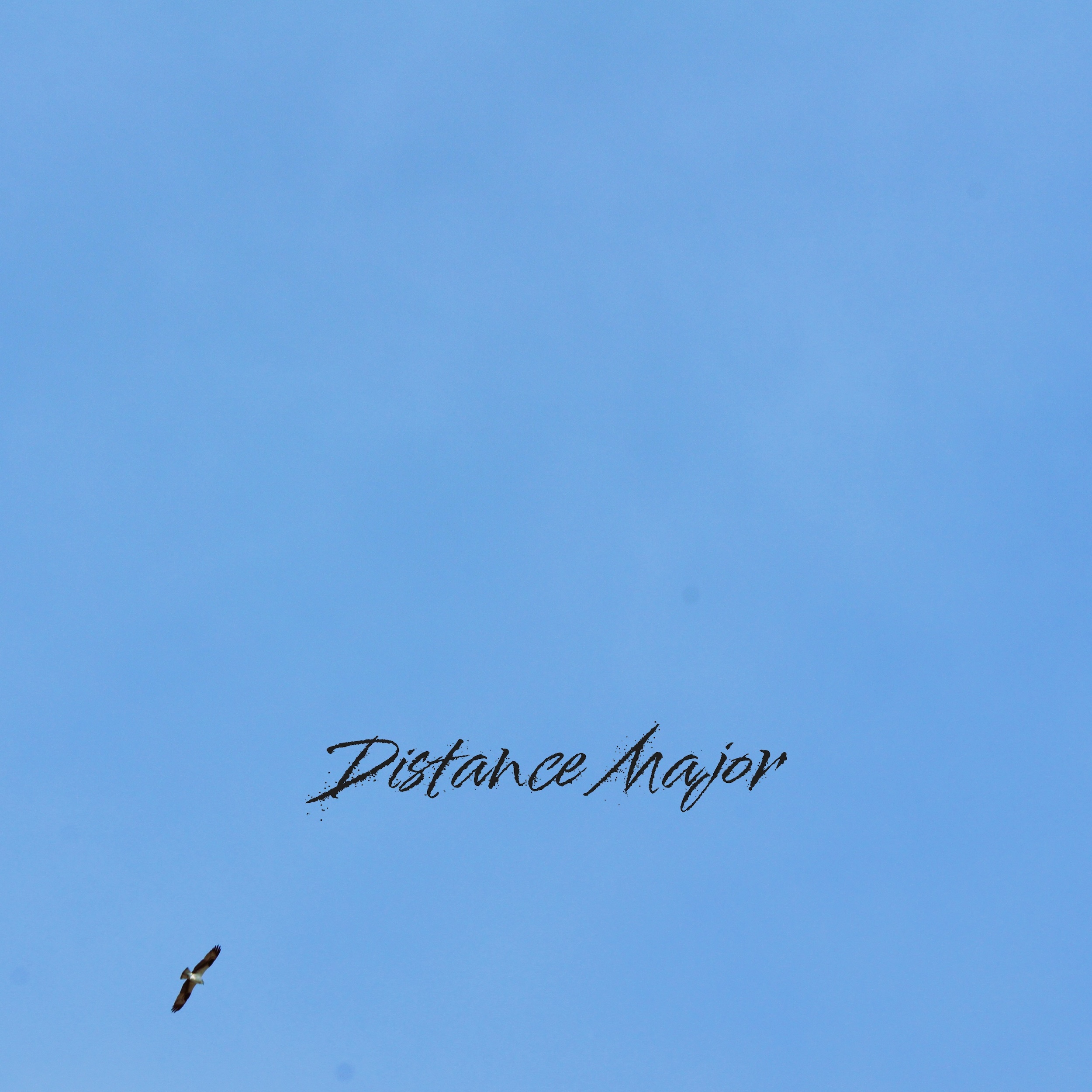
Recorded between November 2024 and August 2025, these compositions occupy a curious space between synthesizer rock and chill modern jazz—a combination that could easily collapse into mere pastiche but instead reveals itself as carefully constructed terrain. Keane's classical piano training provides the foundational architecture, while his self-described "punk DIY heart" keeps the proceedings from becoming overly precious or academically stiff.
The album's sonic palette draws liberally from prog-rock's more expansive moments—echoes of Duke-era Genesis shimmer through the layered synth work—yet the overall temperament leans closer to the introspective qualities of acts like The Postal Service or U.N.K.L.E. This isn't music that demands your attention through bombast; rather, it earns it through textural detail and melodic patience. The absence of vocals becomes a strength rather than a limitation, allowing Keane's compositional voice to speak without the mediation of lyrical narrative.
What becomes apparent across the album's runtime is Keane's facility with emotional architecture. These aren't simply mood pieces or ambient sketches designed to fade into the background. Each track possesses its own internal logic and developmental arc, moving through clearly defined sections without feeling overly programmatic. The improvisation that Keane cites as central to his process remains audible in the music's willingness to follow tangential paths, to allow a particular harmonic colour or rhythmic pattern to unfold at its own pace.
The jazz influences manifest not through obvious stylistic markers but rather through approach—a looseness in the phrasing, a willingness to let harmony drift into unexpected territory, moments where the rhythm section seems to breathe rather than simply keep time. These elements blend seamlessly with the synthesizer-driven textures, creating something that feels both familiar and genuinely fresh. It's music that understands jazz as a methodology rather than a genre straitjacket.
The production aesthetic sits comfortably between the lo-fi intimacy of bedroom electronic music and the cinematic scope that Keane's stated ambitions toward film and television scoring would suggest. Synth tones are warm rather than clinical, drums—when present—punch through the mix without overwhelming the more delicate melodic elements. The overall sonic profile feels lived-in, as though these pieces have been worked and reworked until they've achieved their final, unhurried forms.
Comparisons to Gary Numan and Rush might initially seem incongruous, but they make sense once you grasp Keane's approach. From Numan comes the willingness to let synthetic textures carry emotional weight, to embrace the machine without irony. From Rush, perhaps, comes an understanding that technical facility serves the composition rather than the reverse, that complexity needn't preclude accessibility. The Phantogram influence appears in the album's darker moments, where melodic beauty coexists with a subtle sense of unease.
The album functions equally well as active listening or as soundtrack to other activities—a duality that speaks to the music's fundamental solidity. There's enough happening beneath the surface to reward close attention: harmonic shifts that recontextualize earlier melodic ideas, rhythmic variations that subtly alter the feel of recurring motifs. Yet the music never becomes so demanding that it resists more casual engagement.
Keane's stated goal—to capture strong emotions and melodic flow without lyrics—proves remarkably well-realized. The melodies here possess genuine memorability without resorting to obvious hooks or repetitive motifs. They develop organically, often taking unexpected turns that feel inevitable in retrospect. This is music that trusts the listener's intelligence while never making that trust feel like a burden.
As debut statements go, Distance Major announces the arrival of a composer with a distinctive voice and the technical means to articulate it. The album doesn't reinvent instrumental electronic music, nor does it seem interested in doing so. Instead, it offers a considered, musically literate take on the form—one that draws from established traditions while maintaining its own identity. For those seeking music that rewards both concentrated listening and peripheral awareness, that balances formal sophistication with emotional transparency, Distance Major provides ample evidence that Keane's emerging catalog merits serious attention. The New Jersey-based composer has delivered work that feels both of its moment and curiously timeless—no small achievement for any artist, let alone one still establishing their voice.