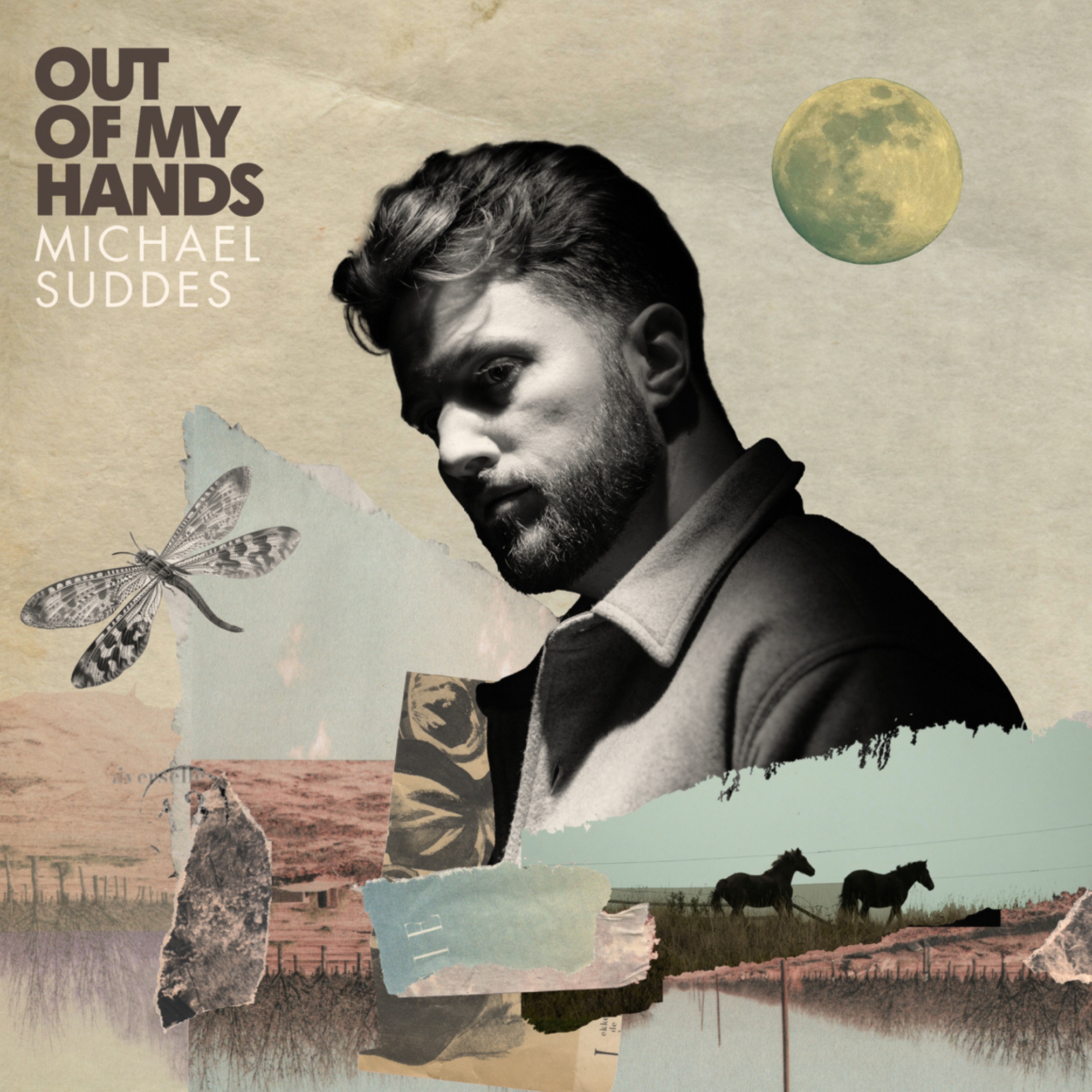
Produced by Sam Weber, whose deft touch has graced the work of artists who understand that less is invariably more, the record occupies that increasingly rare territory between traditional folk storytelling and contemporary indie sensibility. This is music uninterested in flash or pretense, preferring instead the quiet power of emotional honesty rendered through impeccable craft. The instrumentation—courtesy of session players who've lent their talents to Anna Tivel and Madison Cunningham—never overwhelms the songs themselves, a restraint that feels almost radical when stacked against the maximalist tendencies of modern production.
Suddes possesses a voice that carries the weight of hard-won experience without tipping into world-weariness. On "Dragonfly," he stages an intergenerational conversation with himself, the younger and older selves engaged in dialogue that expands outward like ripples on water. The track exemplifies the album's central preoccupation: how we metabolize pain not by erasing it, but by fundamentally altering our relationship to it. The arrangement breathes with space, allowing Suddes' lyrics to land with the force of carefully chosen words rather than rushed confessions.
"Shape of Things to Come" benefits enormously from Katie Martucci's vocal contributions, her harmonies providing lift precisely when the emotional heft threatens to anchor the song too firmly to the ground. This balance—between weight and weightlessness, between acknowledging hurt and finding hope—runs throughout the record like a spine. Suddes never offers easy answers or false comfort, but neither does he wallow. The rawness here feels earned rather than performed, a distinction that separates genuine artistry from therapeutic karaoke.
The real revelation arrives with "A Lost Art," perhaps the album's finest moment. Here, Suddes poses a question both simple and profound: "What if everything about you is my favourite part?" The devotional quality of the lyric, set against observations about permanence becoming increasingly unfashionable, cuts to the bone. The song acknowledges the difficulty of sustained commitment whilst making a case for its necessity, all without a hint of sentimentality or judgment. It's the sort of writing that Nick Drake might have admired—deceptively plain on the surface, devastating upon closer inspection.
The decision to record at Sonic Ranch proves inspired. The legendary studio, located in the middle of nowhere by design, seems to have stripped away any remaining pretense from these compositions. Garret Lang's bass and synth work provides subtle architecture, while Micah Hummel's drumming understands the power of restraint. Dan O'Brien's horn arrangements appear sparingly, deployed with surgical precision rather than scattered liberally across every track.
Suddes has described these songs as personal processing, material he initially wrote without intention of sharing. That reluctance shows through in the best possible way—these feel like songs that had to be written, not songs engineered for playlists or radio play. The album unfolds at its own pace, unconcerned with contemporary attention spans, trusting that listeners willing to meet it halfway will find the journey rewarding.
'Out of My Hands' marks the arrival of a songwriter unafraid to examine the uncomfortable truths about growth, loss, and the non-linear path toward healing. Suddes has delivered a debut that honours the folk tradition whilst sounding thoroughly contemporary, proving that emotional authenticity never goes out of fashion. The forthcoming live-in-studio videos from Sonic Ranch should offer fascinating insight into how these delicate, powerful songs took shape. For now, the album itself stands as compelling evidence that sometimes the most universal statements emerge from the most personal places.RetryClaude can make mistakes. Please double-check responses.