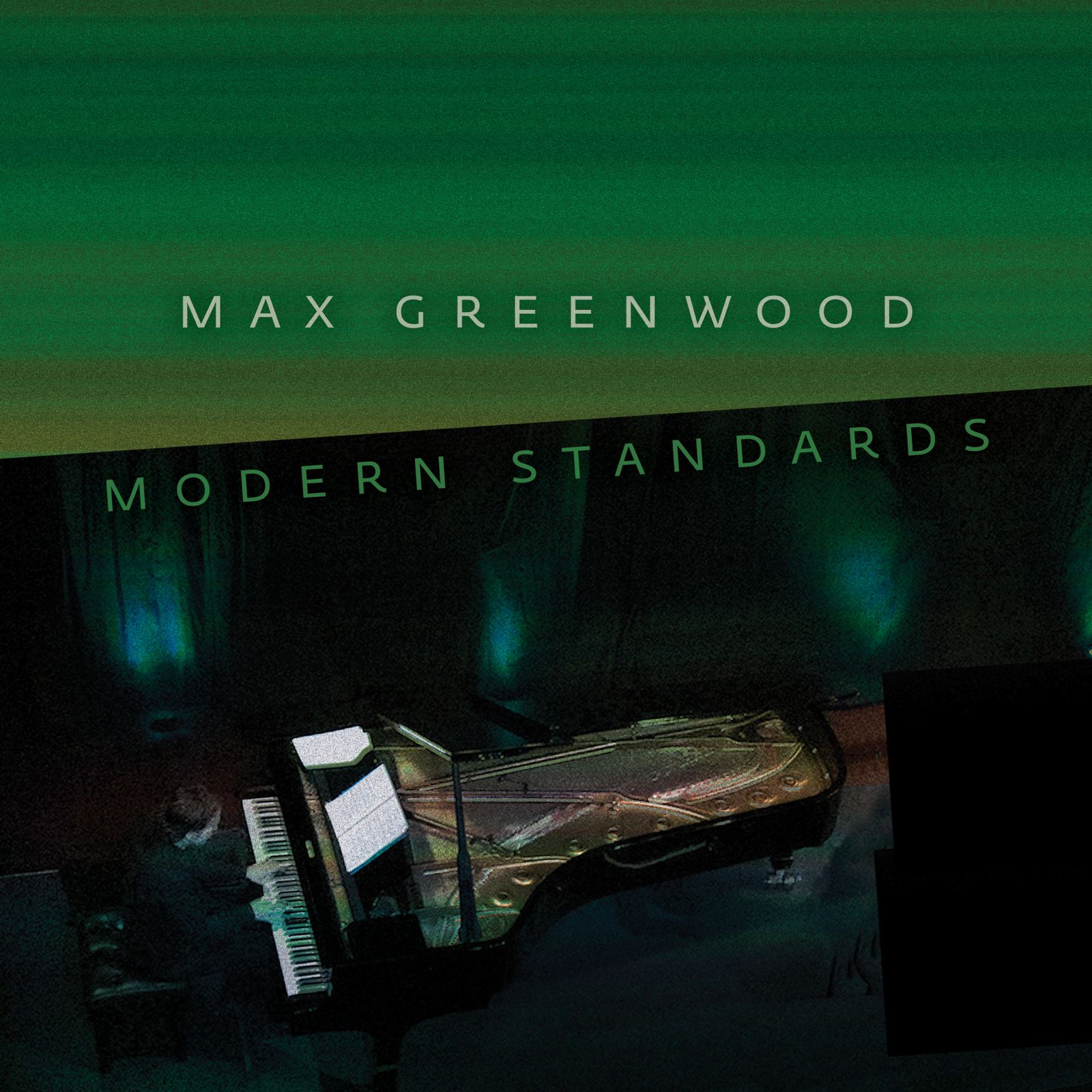
His pedigree informs every moment. A musician who has shared stages with everyone from Jerry Fish to the London Community Gospel Choir, who has written alongside Tom Baxter and contributed to work for Jamie Cullum, Greenwood possesses the rare combination of improvisational instinct and compositional rigour. That background permeates these Steinway performances, where the influence of folk traditions, gospel, blues and jazz coalesces into something both reverent and quietly radical.
Take his handling of Europe's "The Final Countdown." Dublin's The Goo called it "strikingly elegant" and "decelerated," but those descriptors only hint at the transformation involved. Greenwood strips away the synthetic grandeur to reveal a composition of genuine melodic substance, his delicate touch—honed through years of intimate performance—allowing each phrase to breathe and resonate. The glam-metal bombast becomes, improbably, a meditation.
Sting's "Fragile" receives similarly thoughtful attention, described by 8Radio as "stunningly beautiful." Where the original balanced vulnerability with sophisticated arrangement, Greenwood's version offers no such armour. His soulful sensibility, clearly shaped by gospel and blues traditions, draws out the song's inherent ache without sentimentality.
The Hozier interpretation proves particularly revealing of Greenwood's gifts. "Take Me to Church" already carried liturgical weight, but in the hands of someone who has directed community gospel projects and performed on Other Voices and Later With Jools Holland, it becomes something approaching genuine sacred music. The movement from delicate to expansive to rousing demonstrates the dynamic range of a performer comfortable with both intimate concert halls and festival stages.
This confident navigation of emotional terrain reflects his experience as both educator and collaborator. Someone who teaches at third and secondary level, who has orchestrated large-scale community projects like the Arts Council-funded Sing a Song of Docklands, understands how to communicate musical ideas with clarity and purpose. That pedagogical instinct serves him well here—these are performances that illuminate rather than obscure, that trust the listener's intelligence.
The album's spacious production allows the Steinway's natural resonance full expression, a choice that speaks to Greenwater's confidence in his material. Having released two critically acclaimed albums of original compositions, he knows when to step back and let the piano's voice carry the argument. The meditative quality never tips into somnolence; instead, each piece unfolds with the patience of a craftsman who has spent decades learning his trade across multiple disciplines.
Whether these songs qualify as "modern classics" worthy of such treatment remains, perhaps, a question for future audiences. But Greenwater makes a compelling case for their melodic-harmonic architecture, proving that robust compositional structures exist beneath even the most production-heavy contemporary arrangements. His diverse collaborative history—from Mundy to Iarla Ó'Lionáird, from Adrian Crowley to Fionn Regan—has clearly taught him how to listen for the essential core of a song, and that skill serves him brilliantly throughout.
The album occasionally courts monotony in its consistent tempo and approach, though the tonal variety across the repertoire largely compensates. For those willing to meet these performances on their own terms, Modern Standards offers both pleasure and insight—the work of a mature musician whose eclecticism has become synthesis.