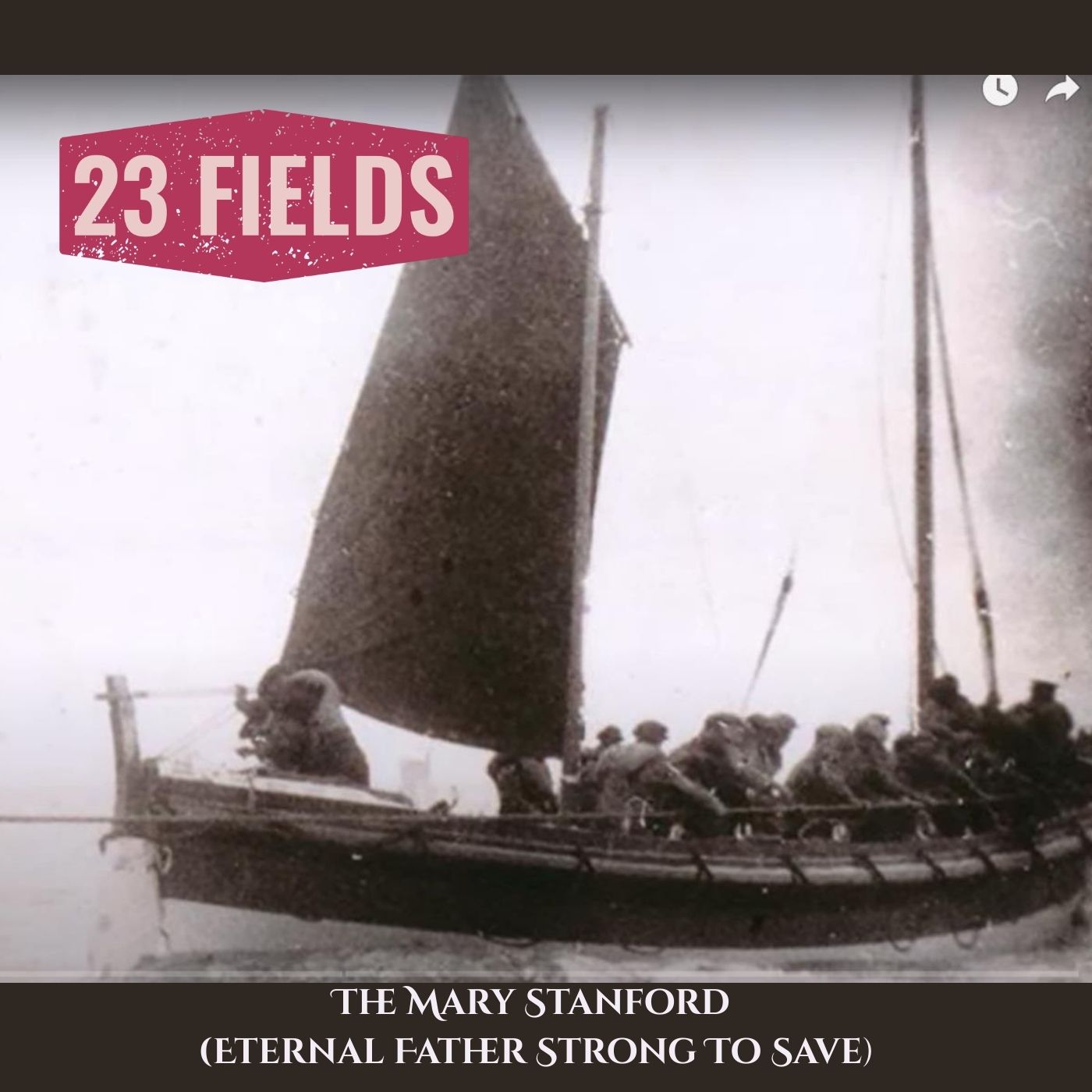
The track's architectural foundation rests upon the familiar hymnal structure of "Eternal Father, Strong to Save"—that maritime prayer still sung today across RNLI stations. Rather than abandoning this sacred framework entirely, 23 Fields weave their contemporary songcraft around its bones, creating a temporal dialogue between Victorian seafaring faith and modern folk sensibility. The result feels both ancestral and immediate.
Vocally, the delivery possesses the weathered gravitas that such subject matter demands. There's no attempt to prettify the harsh realities of that November storm; instead, the vocals carry the salt-spray urgency of voices calling across churning seas. The harmonics suggest community—fitting for a story fundamentally about collective sacrifice.
The instrumentation demonstrates admirable restraint. Where lesser artists might have reached for orchestral bombast or maritime clichés (tolling bells, crashing waves), 23 Fields trust their material's inherent power. The arrangement breathes with the rhythm of working boats, purposeful rather than showy.
Lyrically, the band navigates treacherous waters with skill. The temptation to sentimentalise such profound loss must have been considerable, yet they resist the urge to dress tragedy in false comfort. Instead, they honour both the specific courage of the Mary Stanford crew and the ongoing tradition of RNLI volunteers who continue putting to sea when others seek shelter.
This is commemorative music that earns its emotional weight through craft rather than manipulation. While it may not revolutionise contemporary folk, "The Mary Stanford" stands as a worthy addition to Britain's tradition of songs that remember those who serve. The RNLI's motto—"With Courage, Nothing Is Impossible"—finds fitting musical expression here.
For those seeking substance over style, 23 Fields deliver a single that honours its subjects while creating something genuinely moving. The Mary Stanford crew deserved no less.