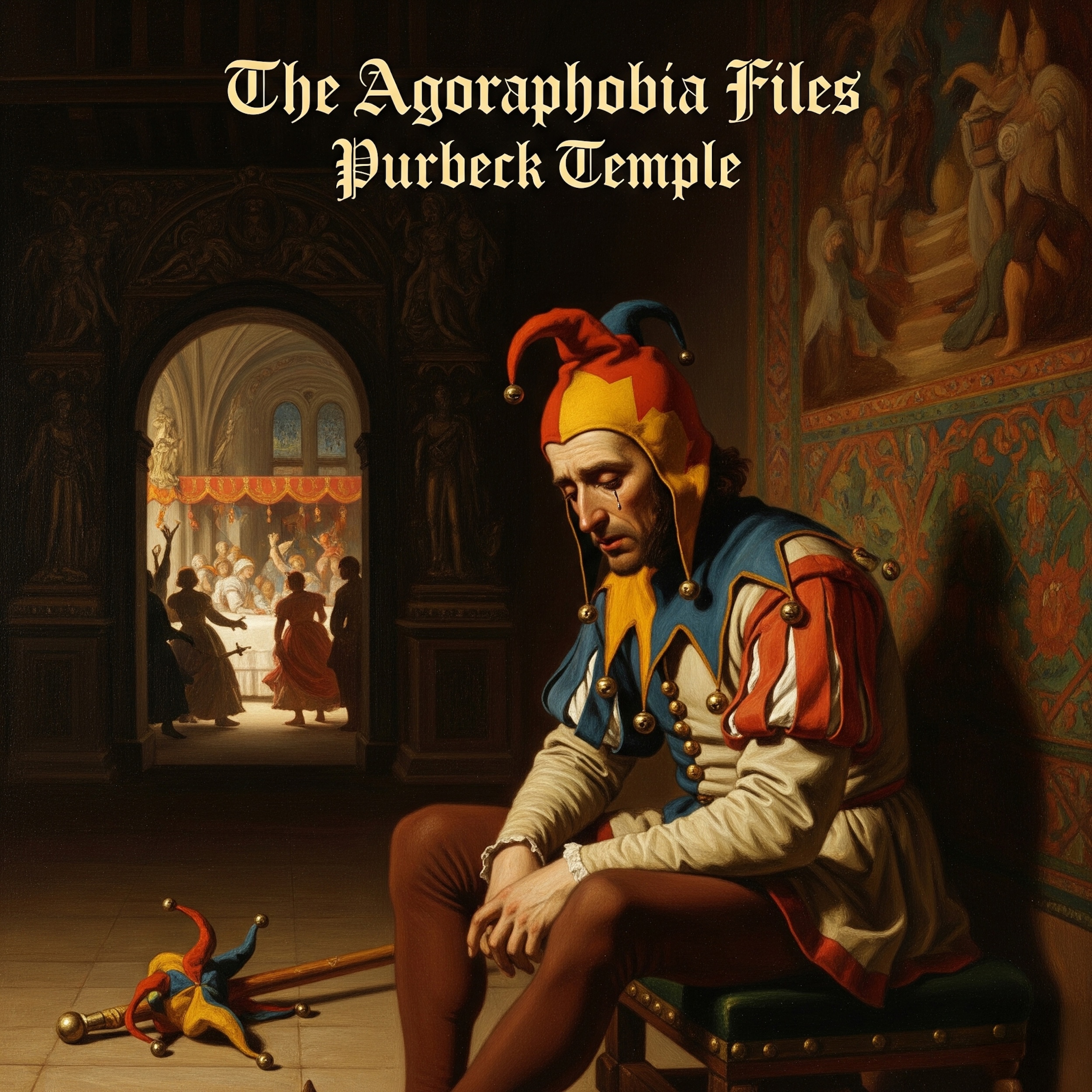
The album opens with the weight of its title bearing down like a confession booth made public. Gill's agoraphobia becomes not just subject matter but creative framework; these songs feel enclosed, intimate to the point of claustrophobia, yet never suffocating. His voice carries the gravitas of someone who has genuinely stared into the abyss and returned with stories to tell.
"No Hard Feelings," the second track and first song written during his recovery, exemplifies the album's peculiar alchemy. Gill describes it with characteristic understatement as "a bit of sarcasm," but the track operates on multiple levels—bitter, yes, but also oddly generous, finding space for dark humor amid genuine anguish. The irony cuts both ways: hard feelings about an attack that shattered every bone in his face, yet a strange absence of venom that suggests either profound forgiveness or emotional exhaustion.
The production values reflect necessity rather than choice—this is bedroom recording born of physical limitation rather than aesthetic preference. Yet this constraint becomes strength. The lo-fi intimacy forces attention onto Gill's lyrics, which navigate the peculiar geography of recovery with unflinching precision. He writes about children who no longer recognize their father's reconstructed face, about double vision and dizziness that prevent driving, about the strange prison of safety that agoraphobia constructs.
Musically, the album resists easy categorization. These aren't polished pop confections or carefully constructed indie anthems. Instead, Gill has created something more akin to folk music's original function—community storytelling, the sharing of experience across the divide of individual suffering. His melodies carry the weight of lived experience, unadorned and direct.
The album's emotional range surprises. While trauma forms its foundation, Gill finds room for wit, even self-deprecation. His inclusion of an Einstein quote about the difference between stupidity and genius—acknowledging his own mistakes while deflecting any grandiose claims—captures the album's essential humility. This isn't a rock star's redemption narrative but something more modest and, paradoxically, more powerful.
Sixteen years in the making, "The Agoraphobia Files" bears the marks of its extended gestation. Some tracks feel more complete than others, and the album occasionally threatens to disappear into its own introspection. But these imperfections feel deliberate, or at least honest. Gill isn't presenting a polished product but a document of survival, complete with rough edges and unresolved tensions.
The album's ultimate achievement lies not in its musical sophistication—though Gill's years of self-taught songcraft show clear development—but in its emotional authenticity. In a musical landscape often criticized for manufactured emotion and calculated vulnerability, "The Agoraphobia Files" offers something increasingly rare: the real thing, unfiltered and unashamed.
Gill's goal isn't stardom but connection, and on that measure, the album delivers. These songs create space for difficult conversations about trauma, isolation, and the long, unglamorous work of rebuilding a life. They offer no easy answers but something perhaps more valuable: the reminder that survival itself can be a form of art.