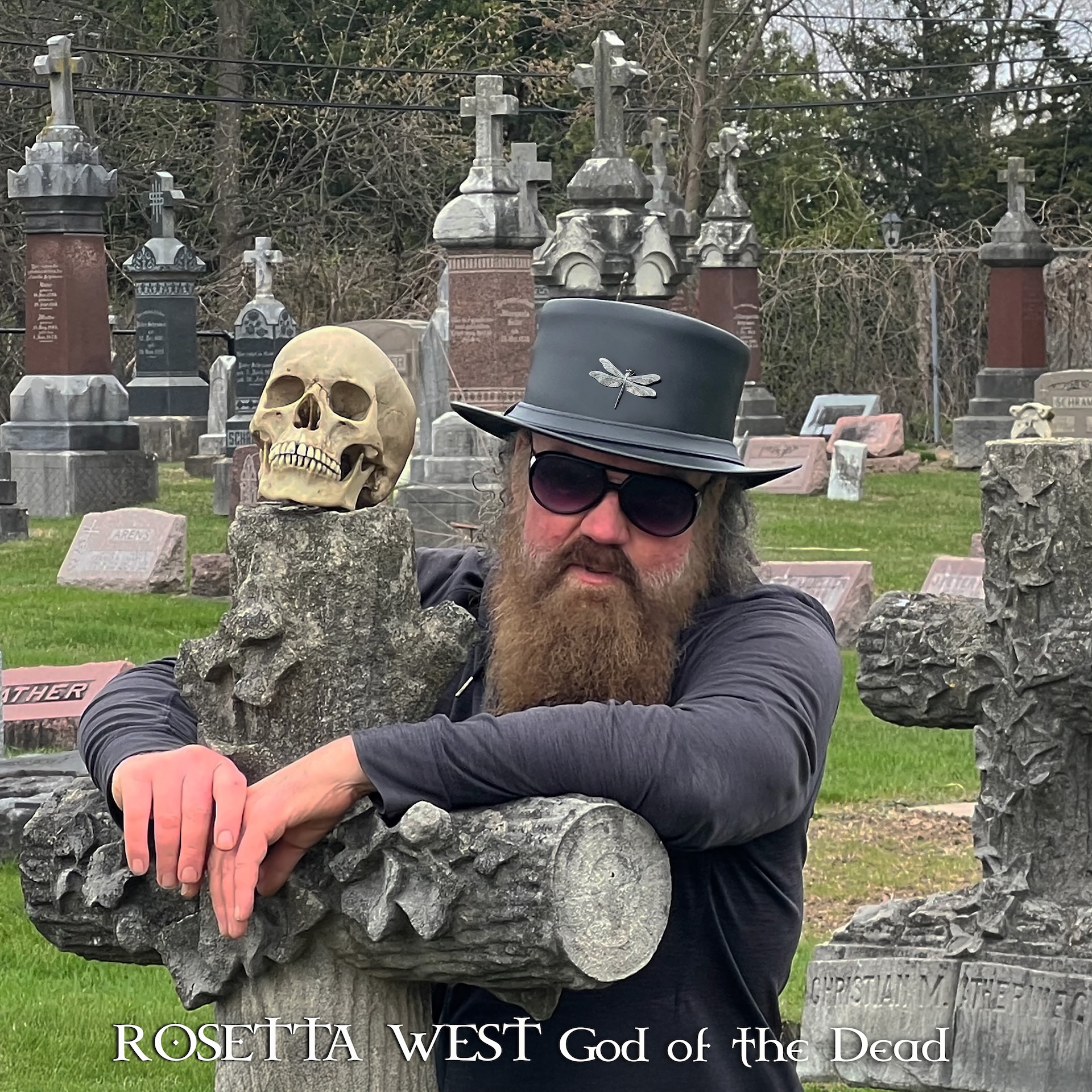
The album's considerable length becomes a virtue rather than an indulgence. Demagore and company have crafted a work that demands patience and rewards deep listening—this is music that reveals new layers with each encounter. The band's core blues-rock foundation remains intact, but the psychedelic flourishes and world folk textures feel more integrated than ever before. These aren't mere stylistic exercises; they serve the album's overarching spiritual narrative.
Demagore's songwriting has matured considerably. His mystical preoccupations now feel less like affectations and more like genuine explorations of consciousness and mortality. The piano ballads carry particular weight, showcasing a vulnerability that balances the album's heavier moments. When the band erupts into their trademark feedback-drenched instrumentals, the contrast feels earned rather than jarring.
The rhythm section deserves particular praise. The interplay between drummers Weaver and Scratch creates fascinating textural shifts throughout the record, while Orpheus Jones' bass work provides both melodic anchor and rhythmic drive. Guest contributions from Louis Constant and Caden Cratch feel organic rather than supplementary.
Three decades into their career, Rosetta West has created their most cohesive statement. "God of the Dead" justifies both its length and its lofty ambitions through sheer emotional commitment. This is the sound of a band operating at the peak of their considerable powers.