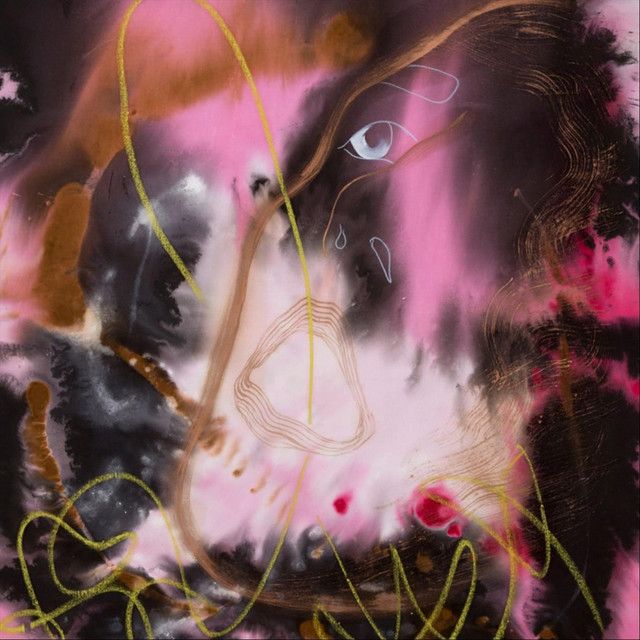
Loucks has always possessed an uncanny ability to transform the mundane architecture of domestic recording into something approaching the sacred. Here, working within the familiar confines of her bedroom studio, she constructs a sonic cathedral from the most humble materials. The production breathes with the kind of space that major-label budgets rarely achieve, each element placed with the precision of someone who understands that less is invariably more.
The song itself confronts happiness with the wariness of someone who has learned not to trust it completely. "Light it Can Blind You" operates as both confession and warning, exploring the peculiar anxiety that accompanies joy—the knowledge that all bright moments carry within them the seeds of their own ending. Loucks navigates this emotional terrain with the delicacy of Elliott Smith and the unflinching honesty of PJ Harvey, influences that hover around the edges of the track without ever overwhelming her distinct voice.
The accompanying video, a family affair directed by her father and fiancé, proves equally considered. The double exposure techniques create a sense of temporal displacement, as if we're witnessing memory itself being formed and dissolved simultaneously. Loucks appears ghostlike in flowing white, moving through sun-drenched landscapes that seem to exist somewhere between the physical and the metaphysical. The visual language perfectly mirrors the song's central preoccupation with impermanence—each frame feels simultaneously eternal and fleeting.
The genius lies in the restraint. Where lesser artists might have reached for grand gestures or overwhelming emotion, Loucks trusts in the power of suggestion. The sun flares that periodically consume the frame serve as visual metaphors for the song's central thesis: that light, whether literal or metaphorical, carries within it the capacity for both revelation and obliteration.
This is songwriting as archaeology, excavating the complex emotional sediment that accumulates around our most precious moments. Loucks has created something that feels both utterly personal and universally resonant, a rare achievement that confirms her position as one of the most compelling voices in contemporary singer-songwriter territory.
The track stands as evidence that the most profound statements often emerge from the quietest corners, that bedroom studios can rival Abbey Road when inhabited by an artist who truly understands the weight of their own vulnerability.