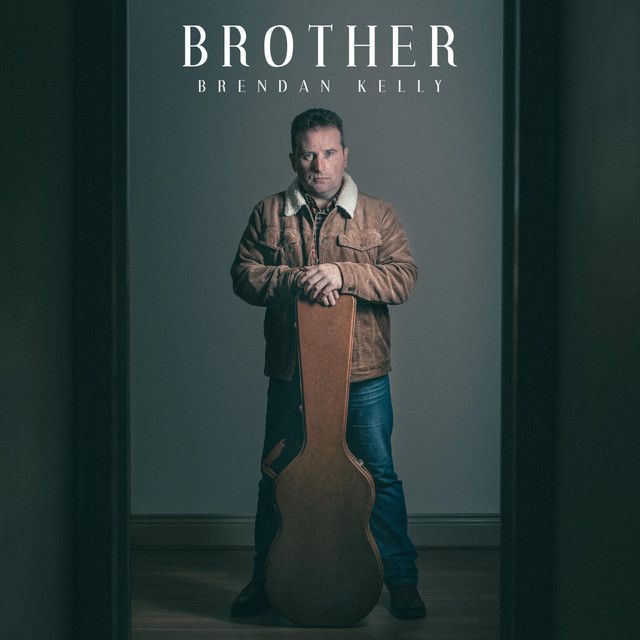
Kelly's approach to "Brother" is refreshingly direct, eschewing the overwrought sentimentality that often plagues contemporary country music in favour of something more elemental. The track pulses with what he describes as "anthemic" energy, and indeed, there's an immediate accessibility to the song's emotional core that speaks to its universal themes. This isn't mere nostalgia for simpler times—it's a clear-eyed acknowledgment of how we survive life's inevitable cruelties through the strength we draw from one another.
The production benefits considerably from the involvement of Billy Ray Cyrus's backing musicians, lending the recording a professional sheen that elevates Kelly's earnest songwriting without overwhelming it. There's a delicate balance struck here between polished Nashville craftsmanship and the kind of intimate storytelling that can only emerge from lived experience. The country-rock framework provides an ideal vehicle for Kelly's narrative, allowing space for both the driving energy he's known for in live performance and the quieter moments of reflection that give the song its emotional weight.
What sets "Brother" apart from much of contemporary country music is its unflinching honesty about mental health struggles and the various tribulations that test our bonds with those closest to us. Kelly writes with the authority of someone who has faced genuine adversity—his remarkable personal journey from childhood trauma to musical achievement infuses every line with hard-won wisdom. When he sings about "always having each other's backs," it carries the weight of someone who understands precisely what that commitment means in practice.
The song's greatest strength lies in its ability to transform personal experience into universal truth. Kelly's acknowledgment that "the sentiment is what's most important" reveals a mature understanding of songwriting's essential purpose—not merely to document one's own experience, but to create space for others to find their own stories within the music. This is storytelling in the finest tradition of country music, where the specific becomes the universal through the alchemy of honest expression.
"Brother" stands as a compelling statement of intent from an artist whose journey from childhood tragedy to musical triumph provides the kind of narrative arc that would seem fabricated if it weren't so meticulously documented. Kelly's ability to transform personal adversity into art that speaks to others' experiences marks him as a songwriter worth watching closely.
In an era when authenticity often feels calculated, Brendan Kelly offers something increasingly rare: genuine emotional honesty wrapped in accessible, expertly crafted music. "Brother" may not revolutionize country music, but it serves as a potent reminder of why the genre endures—its capacity to find the profound in the everyday, the universal in the personal, and hope in the midst of struggle.