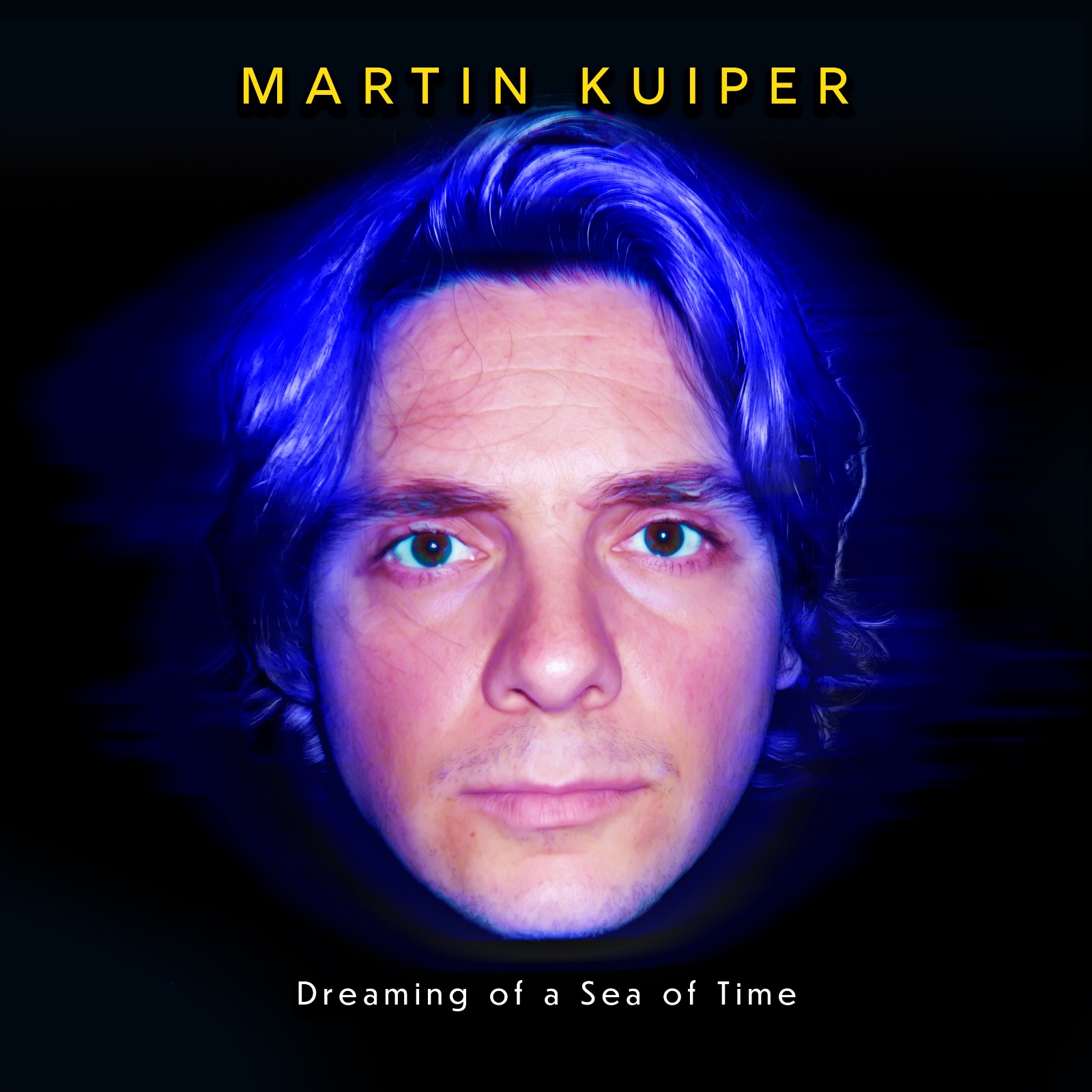
The opening track, "Dreams," sets the philosophical tone that permeates the collection. Kuiper's voice, weathered yet warm, contemplates the dual nature of aspirations—whether they liberate or torment us. It's a sentiment that feels particularly poignant coming from someone who has lived with unfulfilled musical dreams for decades before finally committing them to tape.
The EP's most intriguing moment arrives with "Hanging On A Pink Moon," a meta-textual meditation on music's healing properties that pays explicit homage to Tim Hardin and Nick Drake. This isn't mere pastiche, however; Kuiper uses these touchstones as springboards for his own ruminations on grief and recovery. The synthesizer flourishes, new to his sound, add ethereal layers without overwhelming the intimate core of his songwriting.
Erik Neimeijer and Jim Zwinselman's multi-instrumental contributions, along with Jeroen Hobert's percussion work, provide the album with its most significant evolution from Kuiper's debut. Where To Feel Is To Believe occasionally felt sparse, these arrangements bloom with considered dynamics and textural depth. The titular "Sea Of Time" benefits most from this approach, its meditation on aging and temporal anxiety given weight by the fuller sonic landscape.
Perhaps the collection's most remarkable inclusion is "Baby," a song penned over three decades ago but sounding utterly contemporary in this context. Kuiper's recontextualisation of the word "baby" as an address to an unborn child rather than a romantic partner demonstrates the kind of lyrical maturity that can only come with lived experience.
The closing "Seven Days" captures the nervous exhilaration of new love with the clear-eyed perspective of someone who understands both its fragility and its power. It's a fitting conclusion to a collection that consistently finds profundity in life's quieter moments.
Kuiper's delayed entry into recording—held back by uncertainty and societal expectations despite lifelong passion—lends his work an authenticity that cannot be manufactured. His decades spent documenting other artists' creative processes through FaceCulture and live documentary evenings has perhaps given him unique insight into what makes music resonate. The encouragement of musician friends finally convinced him to trust his own artistic instincts, and the result feels like the work of someone who has absorbed the wisdom of thousands of musical conversations.
As the middle chapter of a planned trilogy, Dreaming Of A Sea Of Time feels purposeful rather than perfunctory. Kuiper has carved out a distinctive niche for himself—not quite folk, not quite rock, but something altogether more intimate and contemplative. For an artist who admits he doesn't have much time left, he's using it rather well indeed.
The EP succeeds because it never strains for relevance or youth. Instead, it offers something increasingly rare in contemporary music: the perspective of someone who has genuinely lived, and has the songs to prove it.