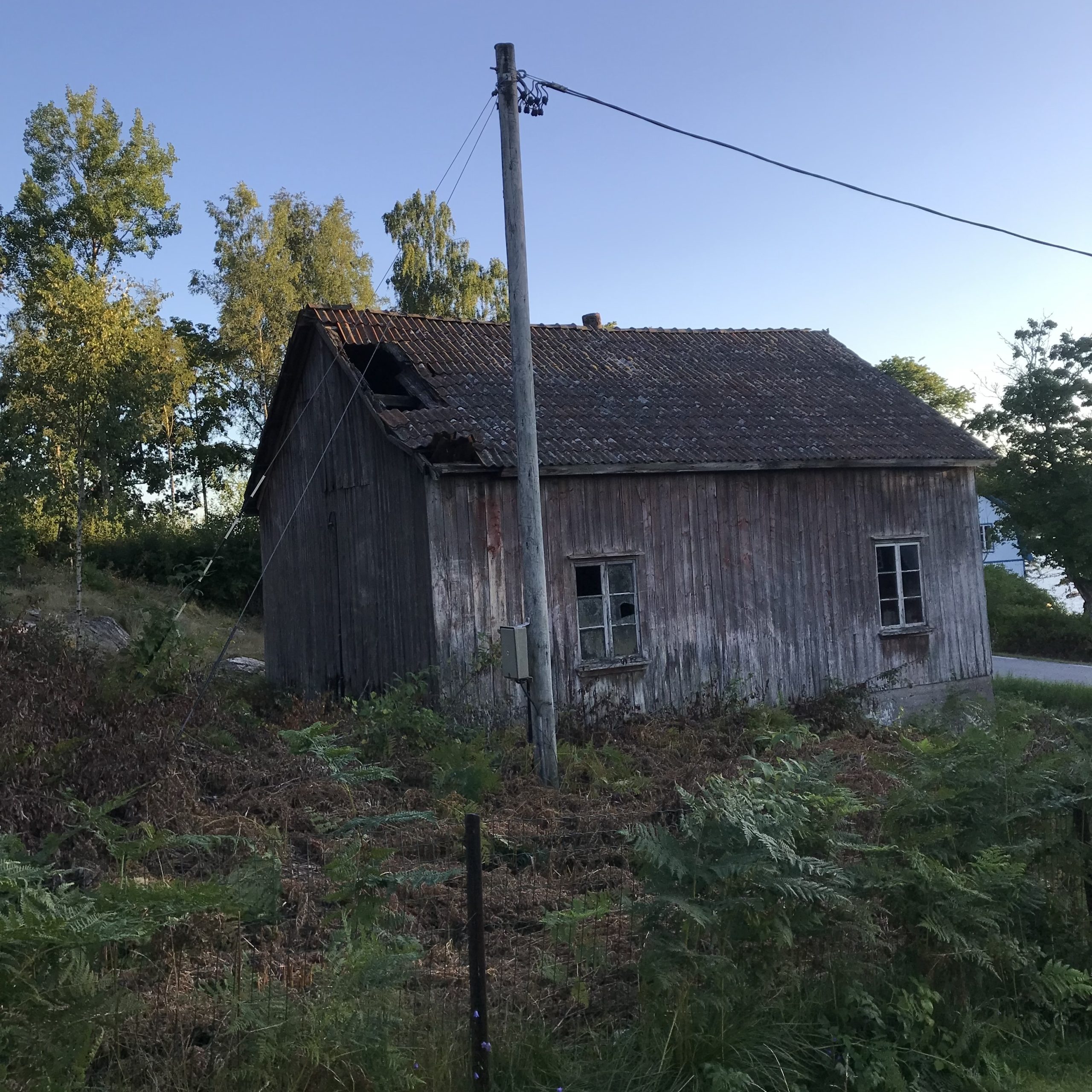
It began as an instrumental project, a sort of sonic field-notebook for empty buildings, and has grown steadily into sixteen tracks about a hamlet in western Sweden that seems to exist half in geography and half in rumour. Macduff calls it a loose, half-forgotten tale, and the description is exact. No plot is handed over. Instead you get fragments: a telegraph pole nobody has needed for decades, cows ambling along a shoreline, smoke rising straight up on a windless morning. The record trusts you to assemble the village yourself, as you might in a dream, and to be a little wrong about it.
The sound is dreampop tilted slightly off its axis. Vocals drift in as if from the next room, while the piano, glacial and unhurried, drops its notes one at a time into still water. Misty electronics hang over everything like breath on a cold window. Anyone expecting Scottish bluster will be disarmed. Macduff has the manners of a man who has learned that the best way to describe silence is to leave plenty of it.
Sequencing is the quiet triumph here. The two *Ödehus* pieces bookend the record like gateposts, opening and closing the door on the same empty house, and the journey between them never overstays. "Said your name" and "The time before us," the two singles, show the melodic hand most clearly, but they are the most obviously songlike moments in a record that otherwise prefers to drift. "A child's dance (for Lillias)" is the heart of the thing, tender without a drop of syrup. Later, "Overgrown yet remembered" gives the album its thesis in four words, and "Dust in sunlight" does more with a few piano figures and some haze than most records manage with a full orchestra and a budget. "The wee path" is a Glaswegian's small wave goodbye, a flash of the accent in a Swedish forest, and quietly affecting for it.
Place names like Sannesjön and Lersjön get their own titles, and Macduff treats them as characters rather than postcards. This matters. Plenty of records visit landscape the way tourists visit a cathedral, ticking it off and moving on. Macduff lingers and listens, and he seems to understand that the pull of an abandoned place is not sadness exactly but a kind of tender curiosity about who stood there and what they were humming.
The genre tags on the press sheet (indie, ambient, dreampop, pastoral, piano) read like a shopping list, but the music wears them lightly. Fans of Eno's gentler hours, of the Cocteau Twins at their haziest, of Harold Budd's hushed keys, will find themselves at home, though Macduff is no mere pasticheur. His fingerprints are on every bar, and they smell faintly of peat smoke and pine.
*Kåtebol* is out on October 2nd. It is a patient, beautiful, quietly peculiar debut from a musician who has found, in the emptiest rooms of Sweden, plenty to say.