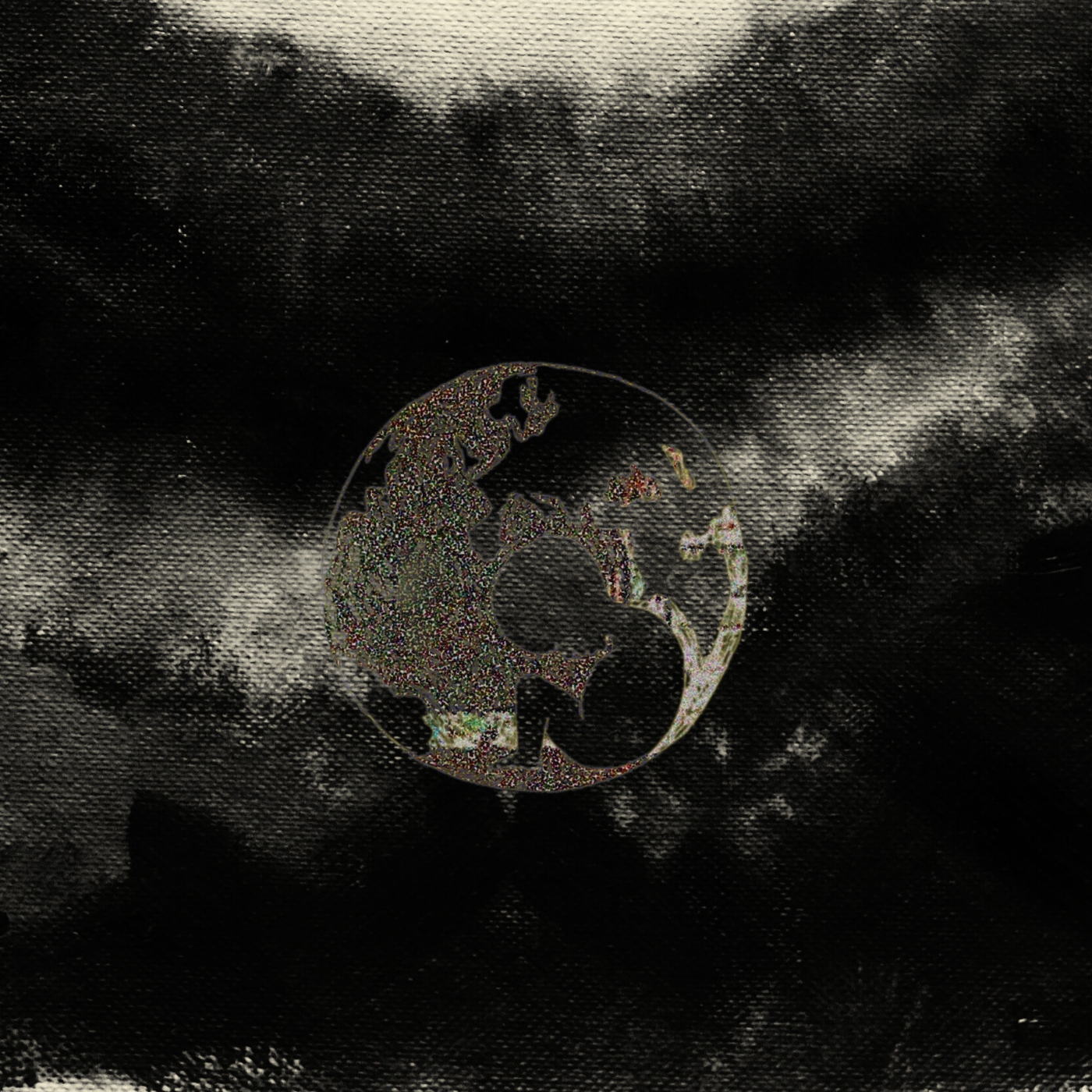
The facts are austere, and the music is better for it. Paul MacLean, a Canadian guitarist and producer long since transplanted to Sweden, and Tony Lind, a Swedish drummer, retreated to a cabin outside Uppsala. There were no click tracks, no grand plan, no committee. Asked about their method, they offer a shrug of a sentence: they sit in a small room, stare at each other for a few seconds, and see what happens. It is a gloriously unfussy philosophy, and one suspects that most of the bloated, over-managed rock records of the last decade would have benefited from a fortnight of it.
What happens, it turns out, is something close to alchemy. MacLean's guitar does not so much play as inhabit: it sprawls, smoulders and occasionally erupts, with the patience of a man who knows the flames will arrive in their own time. Lind is a revelation behind the kit. His drumming has the gravity of weather, rolling in and breaking over the music with a force that is physical rather than merely loud. The two are locked in a conversation so intuitive that you can almost hear the glances being exchanged. There is no bass, no scaffolding, and nowhere to hide. The result is a record of startling intimacy and monstrous scale, a paradox the duo seem entirely comfortable with.
Then there is the sound itself. The mixing was entrusted to Daniel Bergstrand at SDFX Studio, a man whose work with Meshuggah has made him a patron saint of precision and heft. Here he does something cleverer than simply turning things up. He keeps the room in the record. You can feel the wood of the cabin and the cold pressing at the windows, and every cymbal decays into a believable space. It is a mix that lets the music be monumental without ever sounding manufactured. The rawness stays raw. The craft stays out of the way.
Thematically, the album is a heavy burden, and the duo carry it with remarkable grace. The press materials speak of global conflict, environmental ruin, the deaths of close friends, a family member's illness and, set against all that, the birth of MacLean's daughter. That is a great deal of life to fit into one debut, and the sensible instinct would be to wallow or to preach. *WORLD-ENDING FIRE* does neither. MacLean has described the project as a reflection on the absurdity, even the embarrassment, of living in modern society, and there is a wry, unsentimental intelligence in that. These are not protest songs. They are the sound of two people looking squarely at the wreckage and deciding, quite calmly, to make something anyway.
That is the record's great trick, and its great consolation. The hope here is not the cheap, rousing sort. It is the harder-won variety that lives in the act of creation itself, in the courage of following one's instincts when the evidence suggests you shouldn't. One hears the spirit of Wendell Berry's patient moral seriousness in it, and something of Hilma af Klint's mystical abstraction too: music that gestures toward the unseen without ever explaining itself. It resists genre with a quiet stubbornness. Call it post-rock, doom, ambient or improvisation, and it will politely decline them all.
The duo, with admirable modesty, have declined to tell us what to make of it, inviting the listener to decide for themselves whether it is significant. Allow me to save you the trouble. It is.
A debut of rare conviction, rare restraint and rare heart. The world may well end in fire, but at least we will have had a soundtrack worthy of it.