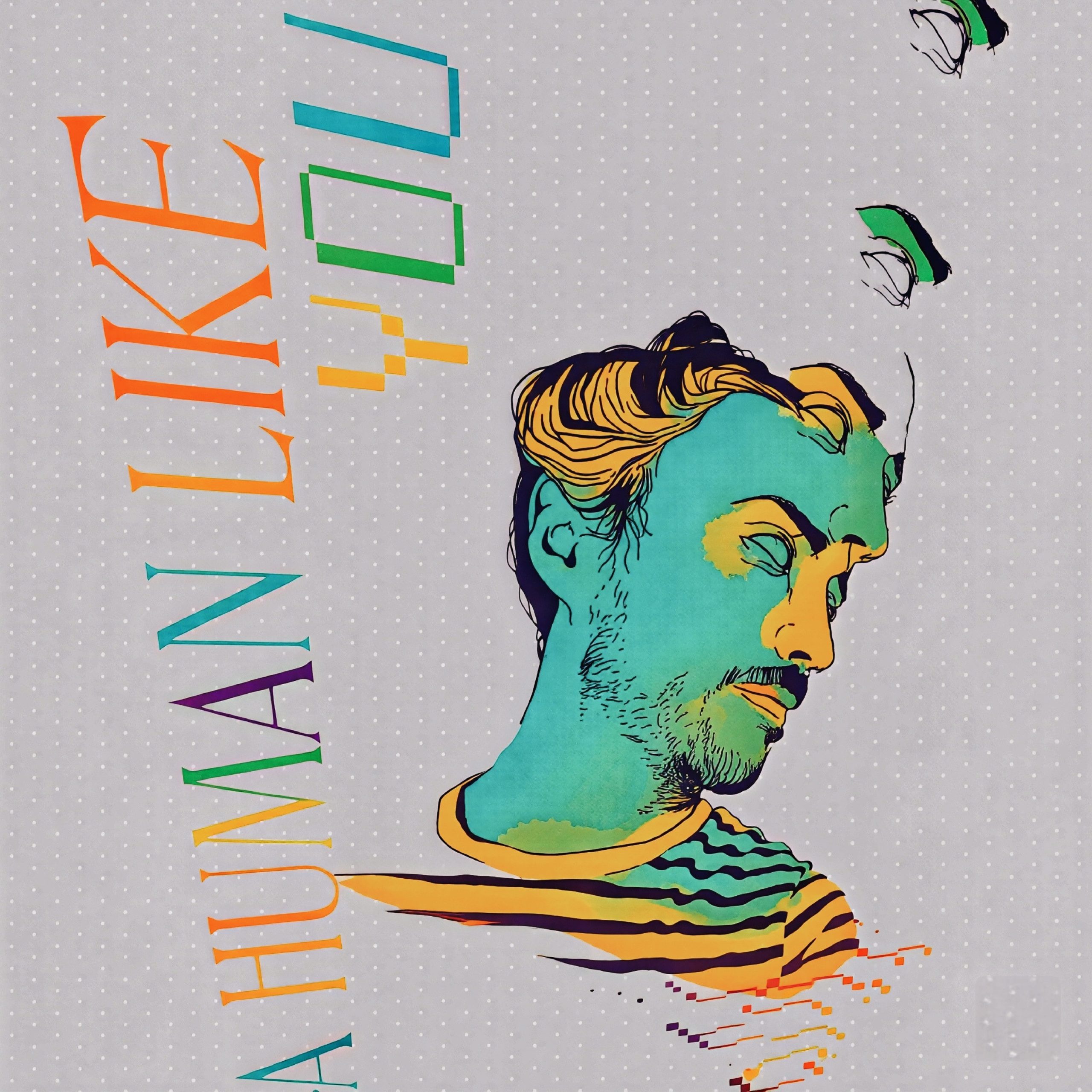
What Barlanza has assembled here sits somewhere between psych-pop's woozy tape-warble, alt-rock's melodic backbone, and the loose, conversational swing of Brazilian music and jazz — genres that, on paper, seem to pull in different directions but here settle into something remarkably unforced. Nothing about the arrangement feels bolted together. It breathes the way a good jazz combo breathes, unhurried, trusting silence as much as sound, letting a phrase hang before deciding whether to resolve it.
The song's subject matter could easily have tipped into cliché — another lament for a world drowning in screens, another sermon about technology stealing our souls. Barlanza sidesteps that trap entirely. This isn't a song raging against machines; it's a song quietly cataloguing what refuses to be automated out of us. Exhaustion sits right up against hope throughout, neither cancelling the other out, and that fragile coexistence gives the track its emotional charge. It sounds less like protest and more like reassurance whispered to someone scrolling too late at night.
That restraint extends to the songwriting itself. Barlanza clearly isn't chasing an instant chorus or a hook built for algorithmic virality — an odd and rather admirable choice for an artist writing, in part, about disconnection in a hyper-optimised world. The track unfolds patiently, more mood than payload, rewarding attention rather than demanding it. Patience like this has become a genuinely rare commodity in guitar-adjacent pop, and hearing someone commit to it fully feels almost like a small act of resistance in itself.
Barlanza's gift, on this evidence, lies in making warmth sound effortless without making it sound simple. The analog textures aren't nostalgia for its own sake; they're doing real work, softening the song's harder truths just enough to let them land without bruising. "A Human Like You" doesn't argue that humanity is under threat and needs saving. It argues, more quietly and more persuasively, that it's still here — a little tired, a little frayed at the edges, but recognisably, stubbornly intact.
Anyone drawn to psych-pop that trusts atmosphere over immediacy should start exactly here. It rewards the patience it asks for.