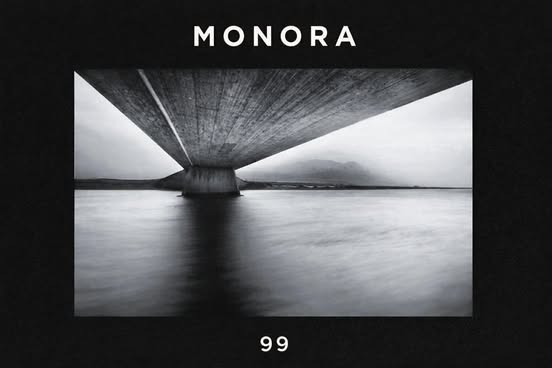
The trio of Einar Valur Sigurjónsson, Guðbjörg Elísa Hafsteins (known as Gugga), and Guðmann Sveinsson are, it should be noted, no innocents stumbling into a recording studio for the first time. These are seasoned musicians who have each accumulated careers' worth of experience before alighting here together. The songs themselves date to the early 2000s — the first stripped demos were laid down in 2004, just guitar and voice — which means *99* is less a debut than a long-deferred arrival, a reckoning made on the band's own terms.
And those terms are quietly, stubbornly magnificent.
Gugga's voice is the central instrument around which everything else orbits, and it is a remarkable thing: possessed of a warmth that never tips into sentimentality, a grain that speaks of genuine feeling rather than performed emotion. She does not oversell a single moment. The restraint is total and devastating. On the EP's quieter passages, she moves like someone careful not to break a spell, and the listener finds themselves holding their breath alongside her. This is a voice that carries the full weight of the years these songs have travelled.
Einar's acoustic guitar work, meanwhile, occupies that most difficult of positions — it must be felt rather than admired. There is no showmanship here, no gratuitous flourish. The playing is architectural, providing the songs with structure and warmth simultaneously, the kind of guitar writing that only reveals its sophistication on repeated listening. Guðmann's electric guitar adds colour and texture without ever crowding the arrangement, a third voice in a conversation that knows when to speak and when to simply listen.
The final recording was completed at Studio Paradís with the father-and-son production team of Jóhann Ásmundsson and Ásmundur Jóhannsson, who bring drums and bass to the arrangements with admirable economy. The production is clean without being clinical, warm without being cloying. Every element earns its place.
Lyrically, the band describe their songs as resembling short novels, constructed from the experiences of those around them as much as from their own. This collective authorship gives the writing an unusual texture — these are not confessionals but rather dispatches from a world wider than any single life could contain. Each song carries the emotional weight of multiple histories, braided together into something that feels, paradoxically, entirely personal.
The long gestation has lent *99* a quality rare in debut releases: a settled confidence, the sense of a record that knows exactly what it is and makes no apology for it. There is no straining for relevance, no anxious glance at the current market. MONORA have made the record they needed to make, and the listening public is the richer for the wait. One thinks of Carole King sitting on songs for years before *Tapestry*, or Nick Drake's work finding its audience long after the fact — not because the comparison is exact, but because *99* shares with those works a quality of inevitability, a feeling that this music could not have existed any other way.
Twenty-three years is a long time to carry something. *99* makes every one of them feel worthwhile.