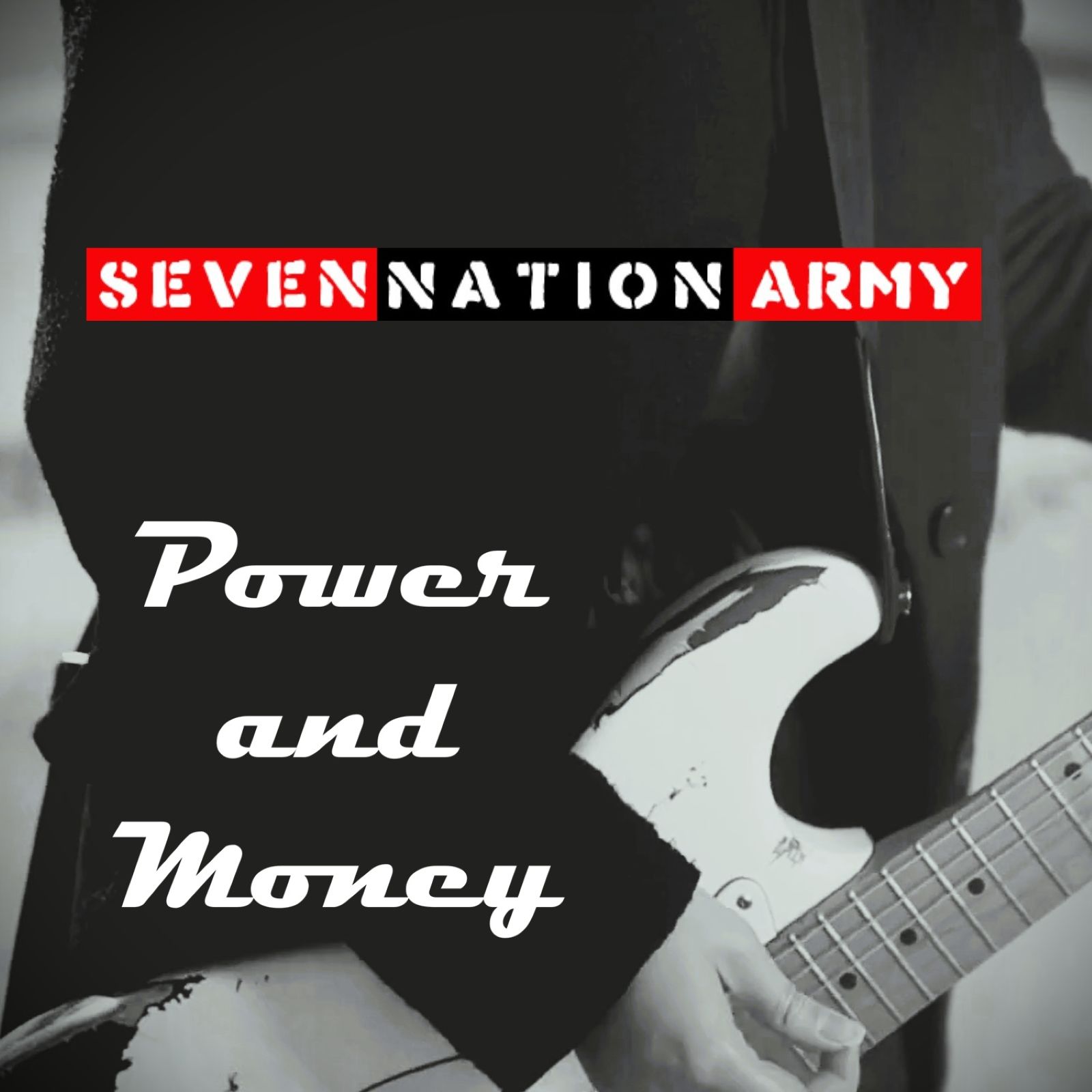
The concept is audacious in its simplicity and bracingly honest in its execution: one song, three incarnations. Each version of the title track explores a different sonic dimension — futuristic electro-rock, nostalgic 1980s synthwave, and a rawer, guitar-driven approach — and the triptych functions less as a gimmick than as a genuine argument. Balsamski is asking which costume best fits the themes of power, control, and ambition that run beneath the lyric like a cold current. The answer, pleasingly, is all three.
The EP opens with *Electro Time*, and it announces its intentions without ceremony. Driving rhythms, futuristic textures, and a production sheen that owes something to Nine Inch Nails' capacity for organised industrial menace — and something to Muse's gift for making political anxiety feel like stadium spectacle. Olga Ostrowska sings over it all with a purposeful authority that transforms the track from sonic exercise into something genuinely alive. She is not auditioning. She is declaring. Her voice occupies a fascinating territory between contemporary cool and something older and more commanding — as though she has absorbed every note that Annie Lennox and Alison Moyet ever committed to tape and distilled them into a register entirely her own.
The second version, *80s Synths*, introduces what the band's own press material calls a "retro-futuristic atmosphere," and the description is precise. The synth textures shimmer and lift the material toward something almost optimistic — almost. The lyrical preoccupation with authority and modern society ensures the mood never tips into anything so gauche as comfort. This is the version that most clearly invites comparison with early Depeche Mode, before Basildon's finest discovered leather trousers and American stadium tours. There is the same cold beauty, the same sense that pop melody can be a delivery mechanism for ideas that are considerably less cheerful than the tune suggests.
But it is the third track, *Raw Guitars*, that earns the most attention and makes the strongest case for the whole project. Here the band strips the arrangement back to its rock foundation, emphasising — in their own words — "intensity, emotion, and the rock foundation at the core of the track." The guitar work bites without being gratuitous. Balsamski understands that volume without purpose is mere noise, and he wields his instrument with the quiet authority of someone who has spent years learning precisely when to hold back and when to let it breathe. The dystopian atmosphere is at its thickest here — cinematic in a way that Thirty Seconds to Mars have sometimes attempted and only occasionally achieved. It is the version most likely to lodge in the memory at three in the morning, when the city outside has finally gone quiet and the questions the song is asking feel rather more pressing than they did at noon.
The RIYL list offered in the band's press materials is instructive and largely accurate: Muse for the socially conscious modern rock energy, Depeche Mode for the dark electronic atmosphere, Nine Inch Nails for industrial texture and controlled intensity, and the electronic-era Linkin Park and Bring Me The Horizon for the genre-crossing ambition. These are not small comparisons to make of an independent act from southern Poland. But Seven Nation Army makes the case without embarrassment. The production quality is high throughout, the arrangements assured, and the three versions cohere into something that feels like a complete artistic statement rather than a bundle of offcuts.
Is there anything to quibble with? One might argue that releasing a single song in three guises asks more of the listener's patience than it has a right to. But this is an EP, not an album, and the three versions function as three separate photographs of the same subject taken under entirely different light — each revealing something the others conceal. The themes of power, control, and "the forces shaping the world around us" are large enough to sustain the examination.
Dark, powerful, dystopian, atmospheric, thought-provoking: these are the band's own mood descriptors, and they happen to be exactly right. Power and Money does not attempt to ingratiate itself. It does not flatter its audience with easy resolutions. It arrives fully formed, makes its case with considerable conviction, and exits before overstaying its welcome. For a project operating independently on the edges of the European alternative scene, that is no small achievement.
Pay attention.