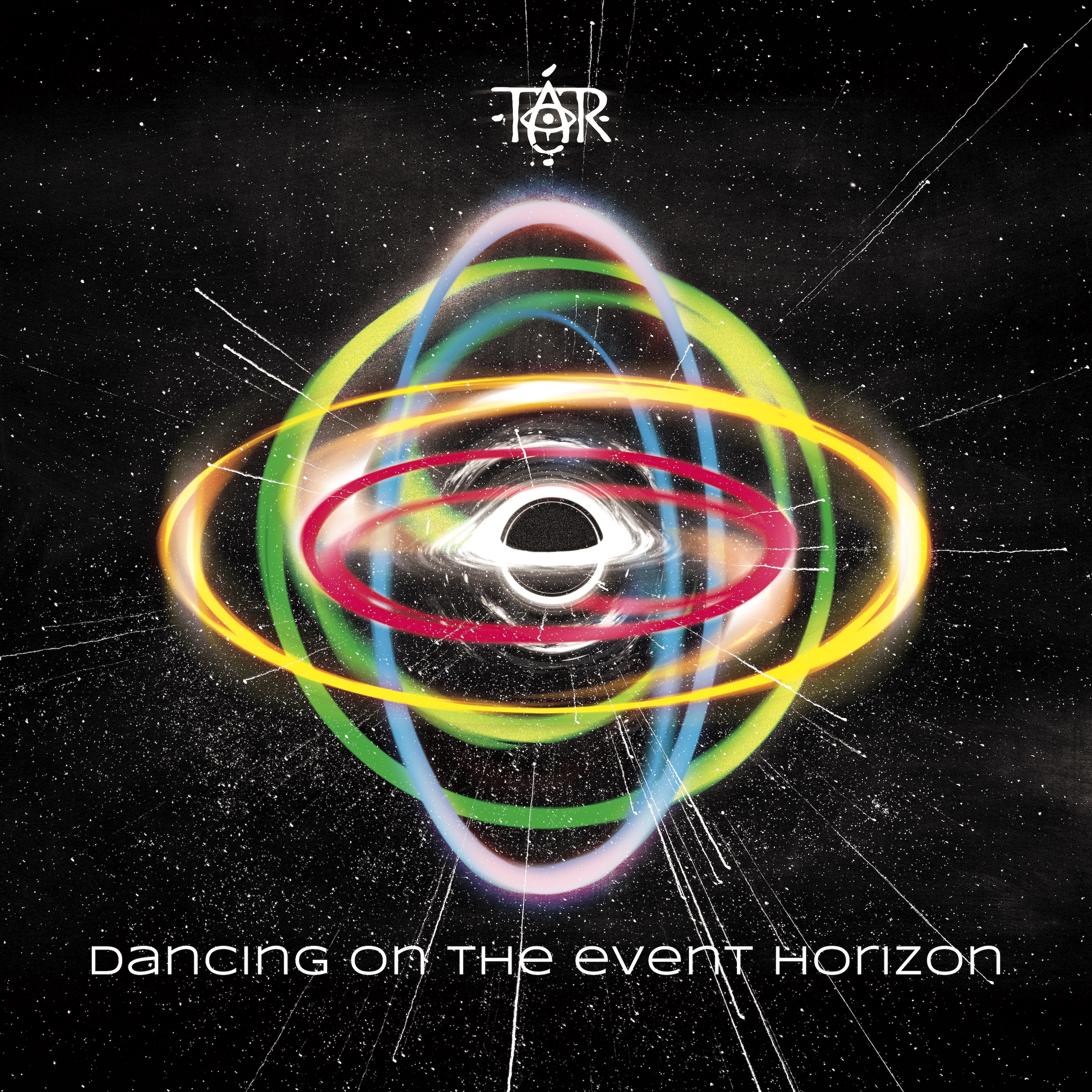
Dancing on the Event Horizon, their second EP and first proper creative statement since last year's solid-if-tentative debut Chasing Shadows… Losing Ground, is the sound of a band discovering, with some urgency, exactly what they are. And what they are, it turns out, is rather magnificent.
The EP opens with "A Course for Home," already familiar from its single release, and no less devastating for it. Over a riff that moves like continental drift — immovable, tectonic, inevitable — the track establishes the central tension that will animate the whole record: the longing for somewhere you're not sure still exists. It owes an obvious debt to Josh Homme's desert-baked QotSA grooves, but there is something rawer here, less lacquered, more like the work of a band who absorbed the lesson and then promptly left the classroom to start something of their own.
"These are songs, not just riffs — and in the stoner-doom world, that distinction matters enormously."
"Black Lights" follows and immediately muddies the water in the best possible way. Where its predecessor moved in straight, crushing lines, this is a serpentine thing — a track that shimmers at its edges like heat off tarmac, the guitars treated with the kind of reverb-drenched shoegaze restraint that recalls early Deftones at their most atmospheric. It is the sound of light bending around something very heavy. One checks the tracklist, slightly baffled, as if suspecting someone has swapped the record mid-play.
The back half of the EP is where Dancing on the Event Horizon becomes genuinely revelatory. "Neon Blood" is the record's centrepiece in every sense — a sprawling, feedback-laced meditation that builds from near-silence into something genuinely overwhelming. The influence of Truckfighters is felt most keenly here, that Scandinavian stoner-doom heritage surfacing in the locked groove of the rhythm section, but what distinguishes Tár is the melodic intelligence threaded through even their most pulverising moments. These are songs, not just riffs — and in the stoner-doom world, that distinction matters enormously.
The EP closes with "Anatomy of Letting Go," and it is an extraordinary finish. Sparse at first, almost uncomfortably so, the track accumulates feeling the way debt accumulates interest: quietly, then all at once. By its final minutes, it is carrying everything the previous three tracks have established — the grief, the defiance, the weird, aching beauty of staring at your own dissolution and finding it, against all reason, almost gorgeous. There is a moment, perhaps two minutes from the end, where the guitars finally open up and the whole thing becomes briefly, searingly luminous. You will want to play it again immediately.
"Nostalgic-gaze" is the term Tár have coined for what they do, and it is, one must admit, well-chosen. This is music that understands nostalgia not as sentimentality but as a force of physics — a pull toward something irrecoverable that nevertheless shapes every step forward. The early-2000s atmosphere they court is not pastiche; it is inheritance, worn with the easy confidence of people who know exactly what they're doing with it. Less a tribute act, more a legitimate heir.
Four tracks. Seventeen-odd minutes. Not a single wasted second. Poland is producing something rather special at the moment. Tár are at the sharpest edge of it.