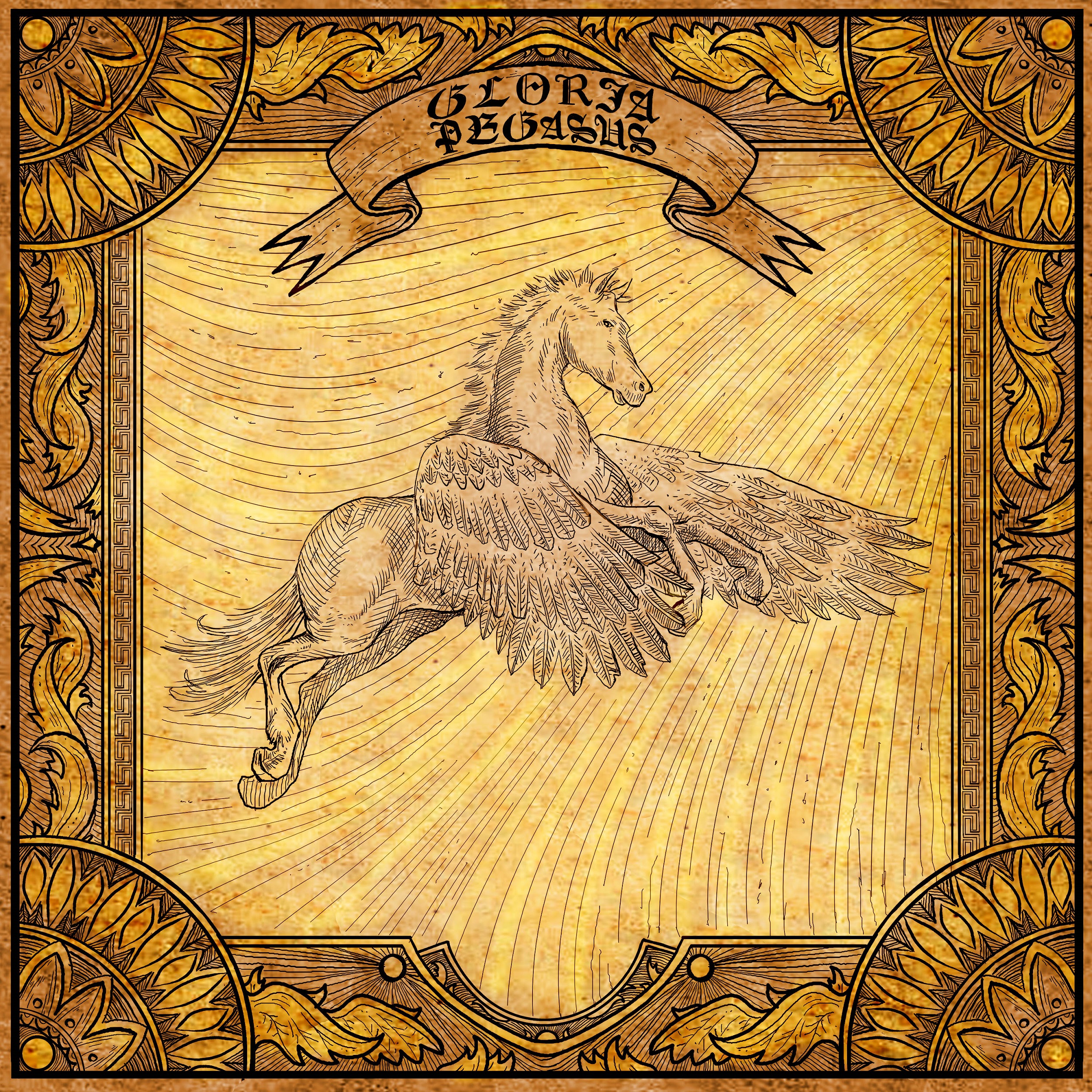
Τσουτσής has created something that defies easy categorisation. The centrepiece draws its melodic DNA from Mangoré's "La Cathedral," that sublime marriage of European classical tradition and Latin American folk sensibility. Yet where Mangoré's original speaks in the language of the solo guitar, Τσουτσής reimagines this inheritance through the prism of the human voice, specifically through four male baritone parts, all sung by himself. The effect is simultaneously intimate and otherworldly, as though one man were attempting to contain a cathedral's worth of resonance within his own chest.
The technical achievement alone deserves attention. Recording a four-part male choir as a solo performer requires not merely vocal range but an almost architectural sense of how voices interlock and support one another. That Τσουτσής accomplished this with a handheld field recorder rather than studio trickery speaks to a certain punk rock resourcefulness, a refusal to let technical limitations constrain artistic ambition. The lo-fi aesthetic, far from being a liability, becomes part of the album's charm—these voices emerge from the speakers with an immediacy and warmth that more pristine production might have polished away.
The lyrics, crafted with assistance from friends Andrea and Gianni (the latter a professor of Italian, lending scholarly rigour to what might otherwise have remained deliberately opaque), navigate between languages and meanings with the fluidity of someone who has genuinely lived between cultures. This isn't the cosmopolitanism of the international jet-set but something earthier and more authentic—the genuine article, forged through busking on foreign streets and absorbing influences that cannot be found in books.
What distinguishes *Gloria Pegasus* from mere novelty is its emotional core. Τσουτσής describes the work as "a cry out to freedom," and that hunger for liberation pulses through every overdubbed harmony. The winged horses that inspired the project—those Pegasus statues dotting Berlin's public spaces—become a potent metaphor for artistic flight, for transcending the earthbound limitations of circumstance and geography. One senses that for Τσουτσής, music represents not just expression but escape, transformation, the possibility of being simultaneously rooted and airborne.
The Mangoré influence proves crucial. That Paraguayan master understood how a single instrument could suggest entire orchestras, how restraint could paradoxically create expansiveness. Τσουτσής translates this philosophy to the vocal realm, demonstrating that the human voice, multiplied and layered, can achieve similar feats of illusion and grandeur. The arpeggiated patterns that characterise "La Cathedral" find their vocal equivalent here, cascading harmonies that suggest both stained glass and bird flight.
Does *Gloria Pegasus* reinvent the wheel? Certainly not. Its ambitions are more personal than revolutionary. Yet precisely because Τσουτσής has pursued his vision with such single-minded determination, unbothered by trends or markets, the album achieves a kind of purity increasingly rare in our algorithmically optimised musical landscape. This is music made because it needed to exist, because the artist carried it within him and had no choice but to birth it into the world, rough edges and all.
The result will likely baffle as many listeners as it enchants, but for those willing to meet Τσουτσής on his own peculiar terms, *Gloria Pegasus* offers rewards that more conventionally accomplished albums cannot. It reminds us that music, at its best, remains a form of magic—the ability to be in one place while conjuring another, to multiply oneself across tracks and time, to give voice to those immortal horses forever poised for flight.