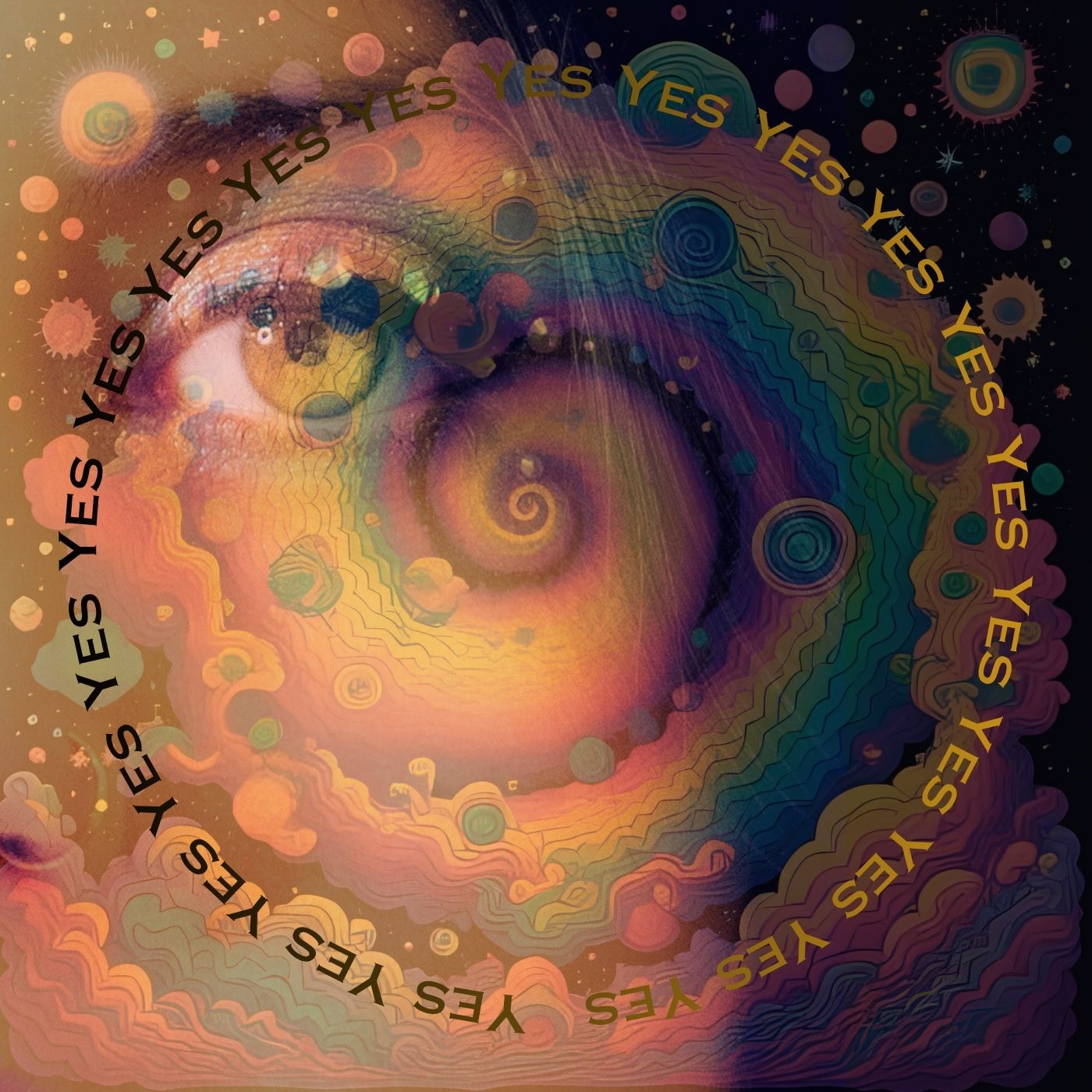
Devine, an Aotearoa-based singer-songwriter with a Master's in Music Performance and a CV that includes supporting everyone from Anastacia to Billy Idol, has crafted something notably mature here. "Yes" operates on multiple registers simultaneously: it's a song about physical desire, certainly, but also about the broader permission we grant ourselves to exist fully, to express without reservation, to claim what we want without apology. The dual meaning never feels forced or overly clever; instead, it lends the track a richness that rewards repeated listening.
The production, helmed by Greg Haver, serves the song's emotional architecture beautifully. Devine's vocal sits prominently in the mix—warm, direct, possessed of a vulnerability that never tips into fragility. She sounds entirely present, which proves essential given the song's subject matter. The arrangement builds with admirable patience around her, each element entering at precisely the right moment to heighten rather than overwhelm.
Stephen Small's Hammond organ work deserves particular mention. When it enters during the song's emotional crescendo, it doesn't merely accompany; it wails and bends with the kind of transcendent quality that the best soul and blues music has always possessed. The organ becomes a second voice, answering Devine's own, pushing the song toward its waterfall moment—to use her own apt metaphor—before allowing it to settle back into something gentler.
The image Devine offers of the song's journey from cautious stream to roaring waterfall and back again proves more than mere description; it's embedded in the track's DNA. This dynamic range, the willingness to move between intimacy and release without losing coherence, marks "Yes" as the work of an artist who trusts both her material and her collaborators. Her instruction to the band to "go wild" speaks to this trust, and they've clearly understood the assignment.
The story of those final adlibs—recorded in a hastily arranged hour-long session with Devine's collie in attendance, the dog staring in apparent bewilderment as his owner wailed with "reckless abandon"—adds a charming footnote to the track's creation. Yet it's more than anecdote; those adlibs, born from spontaneity and a last-minute creative impulse, give the song's conclusion an authentic rawness that perfectly complements its themes.
Comparisons to Florence + The Machine and Yebba aren't unwarranted, particularly in the way Devine balances emotional directness with melodic sophistication. Yet "Yes" establishes its own territory. The blues influence runs deeper than mere stylistic garnish; it's fundamental to the song's DNA, informing both its structural patience and its willingness to explore desire without coyness or pretension.
The single arrives as Devine's self-proclaimed "spiciest" work to date, and while she admits to initial hesitation about such direct subject matter, her pride in the finished product is justified. "Yes" manages to be both grown-up and unguarded, sexy without being gratuitous, intimate without collapsing into solipsism. It's a song that knows when to hold back and when to let go—a balance that proves remarkably difficult to achieve.
In a musical landscape often characterized by either cynical calculation or unearned earnestness, Devine offers something refreshingly honest: a meditation on desire, permission, and self-expression that trusts its audience enough to speak plainly while crafting something musically substantial. "Yes" is the sound of an artist coming fully into her own voice.