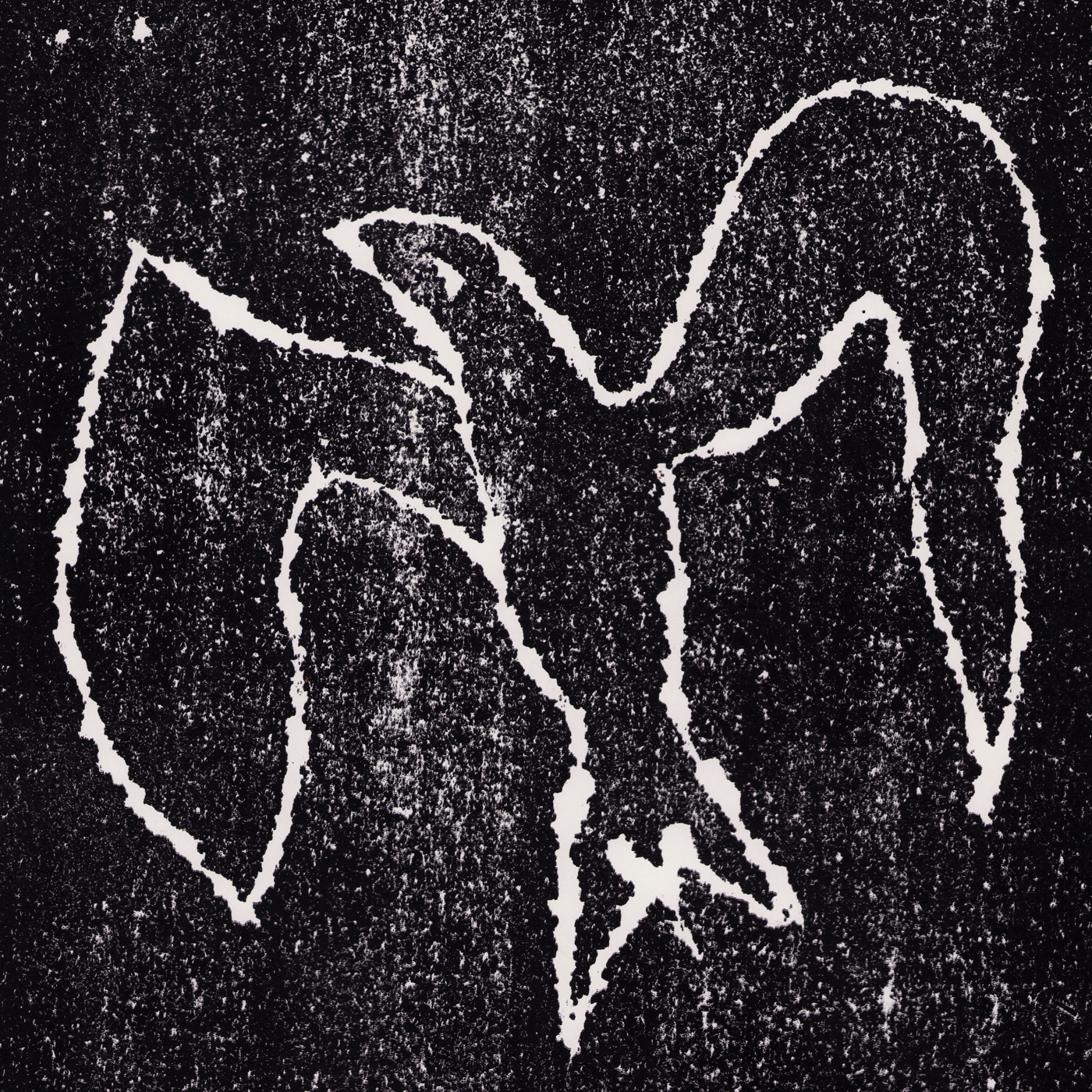
The single announces itself with restraint. Dominique Nuydt's bass work provides a skeletal framework, all angular precision and deliberate space, while programmed drums tick away like a metronome counting down the hours. It's the sound of time made tangible, mechanical yet strangely organic. When Sordinia's vocals enter, they carry the weight of decades—not weary, but weathered, possessed of the authority that comes from having witnessed the full arc of a movement's rise, plateau, and stubborn persistence.
The genesis story behind the track lends it considerable gravity. That Nuydt composed the music during a school trip to Buchenwald, seeking solace in a guitar after confronting the documented evidence of humanity's darkest impulses, imbues "Bird of Time" with a depth that many contemporary singles lack. This isn't background music for your commute; it's a reckoning with the inexorable passage of time and the memories—both personal and collective—that haunt us.
Bruno Uyttersprot's lyrics navigate the territory between childhood recollection and existential dread with admirable economy. The "bird of time" itself becomes a multivalent symbol: the innocence that flies away, the shadows of history that circle overhead, the relentless forward motion we cannot arrest. His vocal delivery, complemented by Stefan Weidemann's guitar textures, finds that sweet spot between urgency and resignation that defines the best post-punk—think Wire's precision meets the emotive heft of Interpol's better moments.
The production work by Thomas Neidhardt and Jack Gallows deserves particular mention. Mixed across two studios—Ivy Room and Canal 10—the track breathes with a spaciousness that allows each element to register distinctly. The synths hover rather than dominate, the guitars cut through without overwhelming, and Sordinia's guest appearance feels integrated rather than grafted on. This is craftsmanship in service of atmosphere, technique deployed with narrative purpose.
Stéphane Manzone's accompanying video, shot in Brussels' Bois de la Cambre park and the New Rocky Pompadour bar, understands that the best visual accompaniments don't illustrate so much as extend. The locations—public park and intimate drinking establishment—mirror the song's oscillation between expansive rumination and personal memory. Manzone, who has previously worked in both television and independent film, brings a cinematic sensibility that elevates the piece beyond standard band-performance footage.
What makes "Bird of Time" particularly compelling is how it refuses easy categorization. Factheory have absorbed their influences—Joy Division's austere grandeur, The Names' melodic sophistication, the textural experimentation of darkwave—without becoming a tribute act. They've built from the ashes of Brussels' alternative scene (Dirty Time, Petit Futur, et al.) something that acknowledges lineage while asserting its own identity.
The collaboration with Sordinia proves more than mere guest-spot validation. It's a passing of the torch that acknowledges the torch never really gets passed—it just burns longer, tended by different hands. When The Names and Factheory share the stage in Meschede this December, and again at Factheory's tenth-anniversary concert in Brussels next March, it will represent continuity rather than nostalgia.
"Bird of Time" arrives as proof that post-punk's animating principles—economy, atmosphere, intellectual engagement with discomfort—remain vital tools for navigating contemporary unease. Factheory have made something genuinely affecting here, a single that rewards attention and lingers well after its final notes decay into silence.