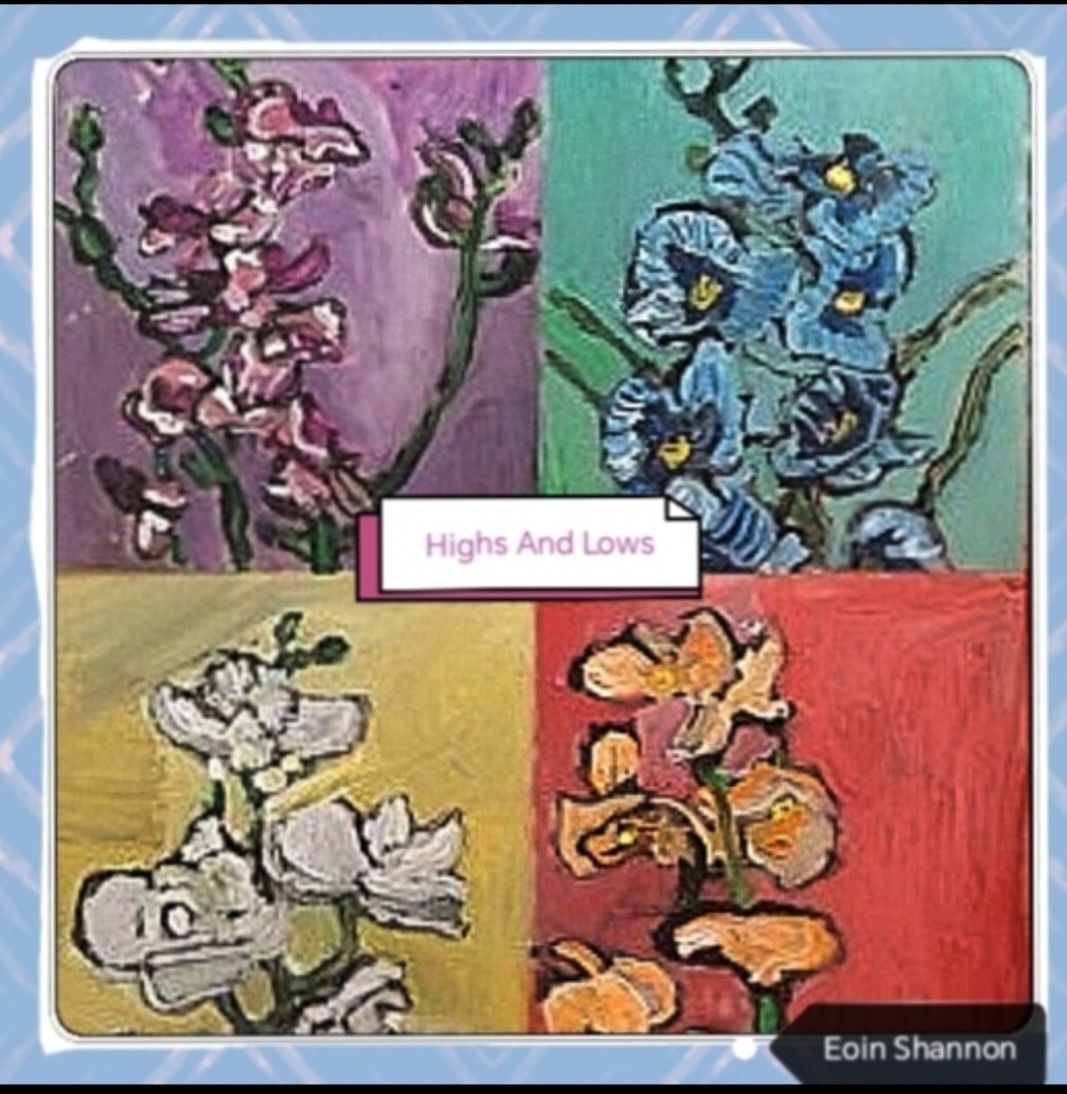
Shannon wears his influences brazenly on his sleeve, and what a distinguished lineage it is: Bobby Blue Bland's weathered soul, Frank Sinatra's sophisticated swagger, and the Mills Brothers' harmonic grace. Yet rather than producing mere pastiche, Shannon manages to channel these ghosts into something that feels authentically his own. His voice carries the kind of lived-in quality that suggests he's earned the right to sing about life's inevitable disappointments and fleeting joys.
The album's centrepiece, "The Closer You're To God," is a meditation on spiritual proximity and divine challenge that showcases Shannon at his most contemplative. His assertion that "the closer you're to God, the more the Devil sees you" might sound like pulpit philosophy, but delivered over Tom Savage's sympathetic musical arrangement, it achieves genuine poignancy. Savage, who proves himself an invaluable collaborator throughout, provides not just production but vocals that complement rather than compete with Shannon's lead.
The international flavour of the collaborations adds unexpected depth. Malte Hortsmann's piano work and Artem Litovchenko's cello on "Happiness Has Come to Town" create moments of chamber-like intimacy, while the various vocalists—from Gaby Duboisjoli to Chanele McGuinness—each bring their own texture to Shannon's vision without overwhelming his singular voice.
Shannon's background as a visual artist—he created the album artwork himself—suggests an aesthetic sensibility that extends beyond music, and indeed, there's something painterly about how he constructs these songs. Each track feels carefully composed, with attention to emotional shading and dynamic contrast that speaks to an artist thinking beyond mere song structure.
"Highs & Lows" succeeds as both a loving tribute to a golden age of American popular music and as a personal statement from an artist finding his voice within established traditions. In an era of algorithmic playlists and fleeting attention spans, Shannon's commitment to the album as a complete artistic statement feels almost revolutionary. It may not reinvent the wheel, but it reminds us why that wheel was so perfectly round to begin with.